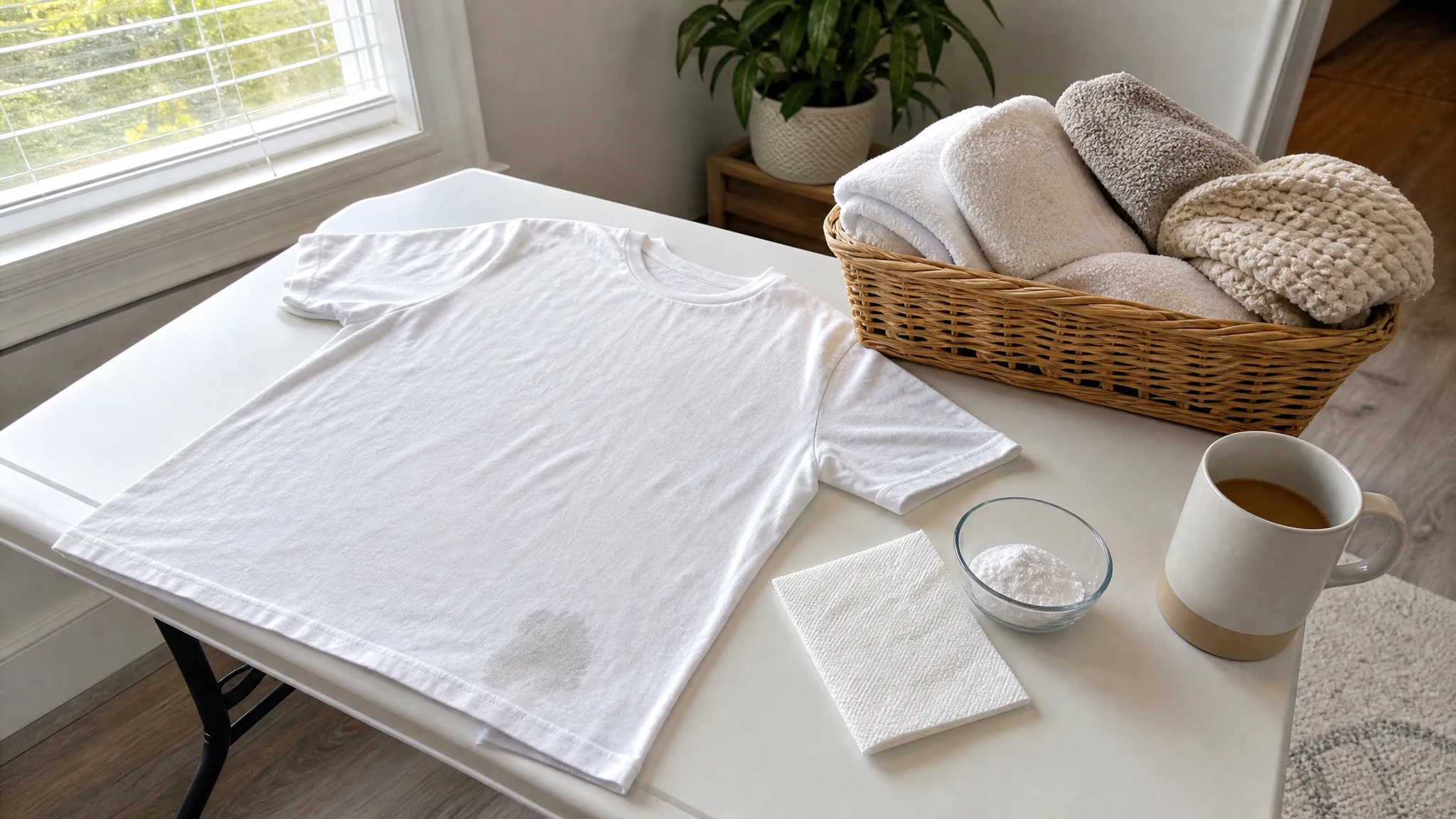
Does Cedarwood Oil Stain? Getting It Out of Fabric
Spilled cedarwood oil on a shirt or sofa? It leaves a grease-type mark, and extension guides show how to blot, lift and wash it out before heat sets it.
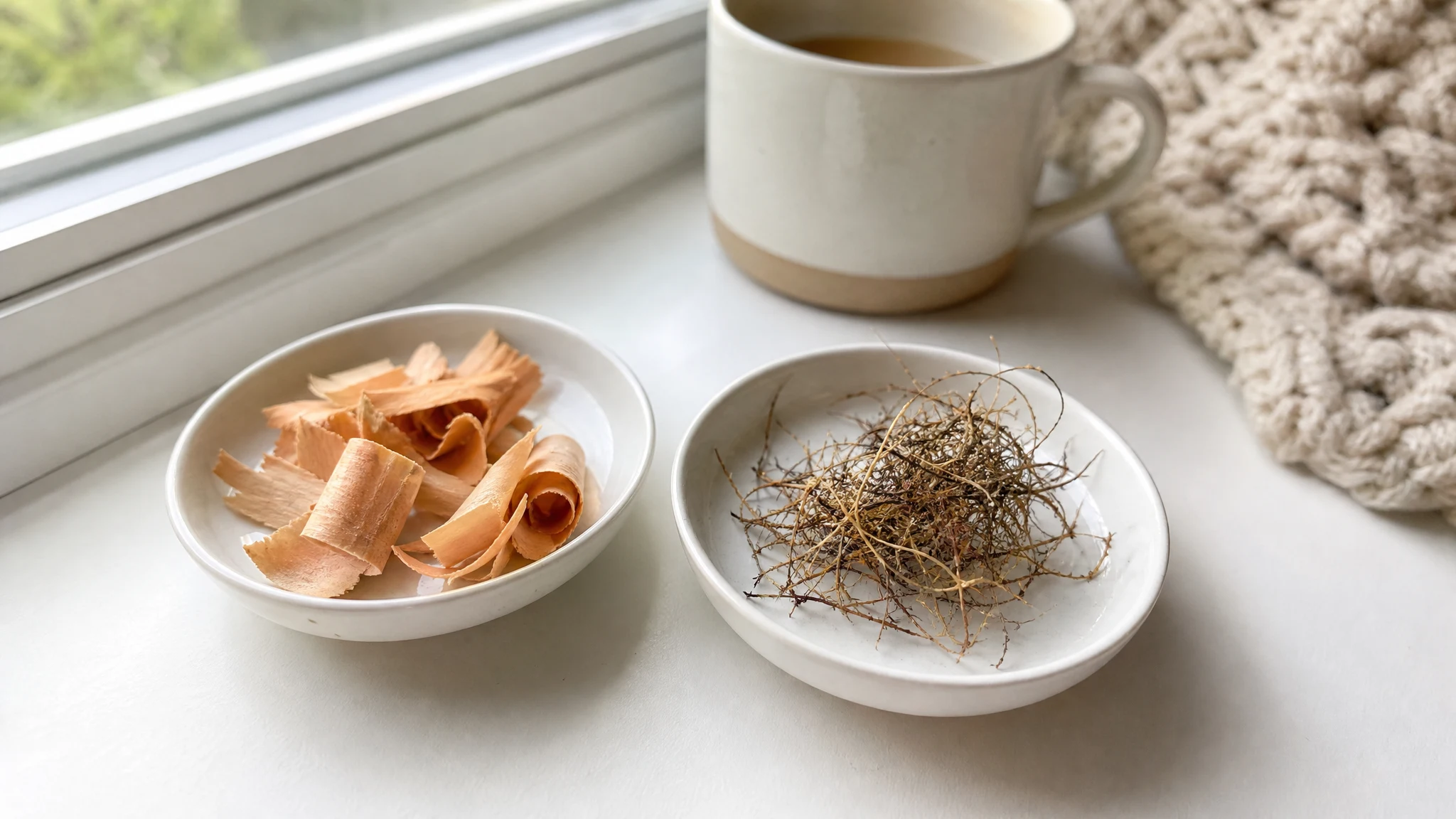
Cedarwood vs Vetiver Oil: Dry Timber or Damp Earth?
Cedarwood smells like clean timber, vetiver like wet earth. See how wood and roots differ in chemistry and thickness, and how to use the two in one blend.

Cedarwood vs Frankincense Oil: Which Scent Suits You?
Cedarwood is a dry timber base, frankincense a bright piney resin. Compare their chemistry and scent, and see a simple two-oil blend worked out in drops.
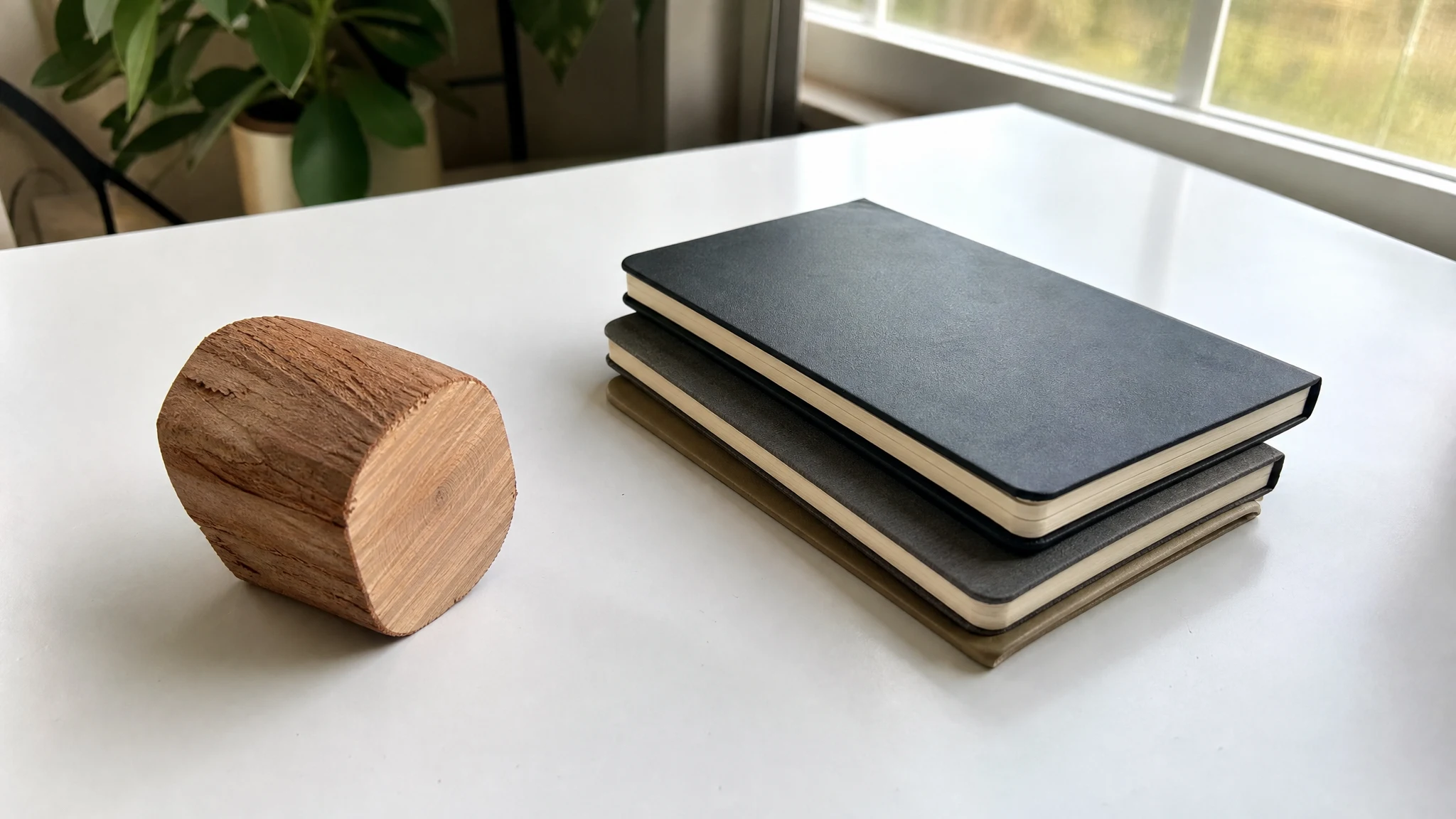
Cedarwood Oil Benefits: Why Scent Comes First
Cedarwood oil is a joy for its warm, woody scent. Here is a friendly tour of what research on it covers, and how we suggest enjoying it.
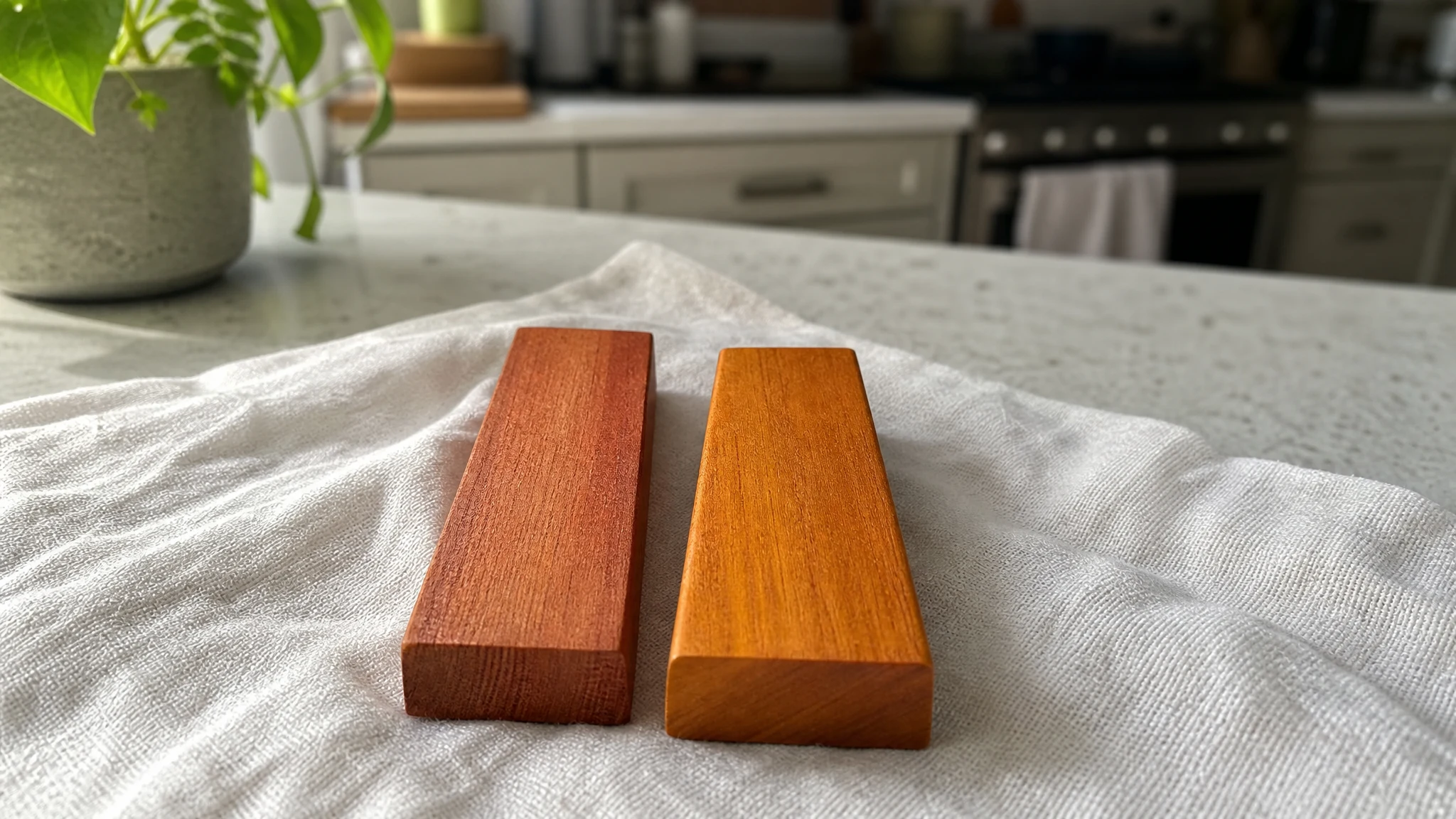
Cedarwood vs Sandalwood: Choosing a Woody Base
Sandalwood is the cream, cedarwood is the dry timber behind it. See how the two differ, why they pair well and how to swap one for the other.
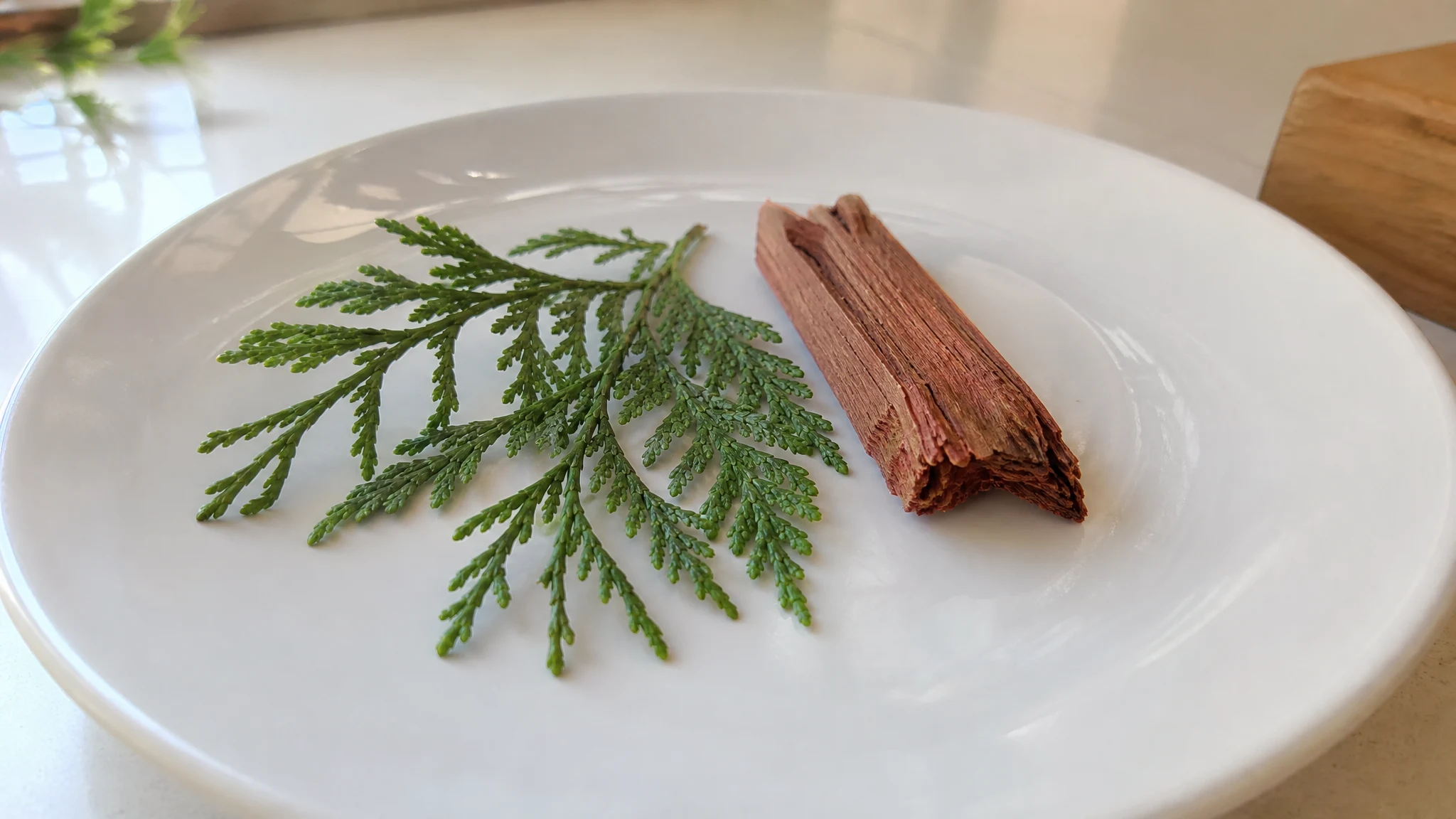
Cedarwood vs Cedar Leaf Oil: Read the Latin Name
Cedar leaf oil and cedarwood oil share a word and little else. Two label clues, the Latin name and the plant part, show which one you are holding.
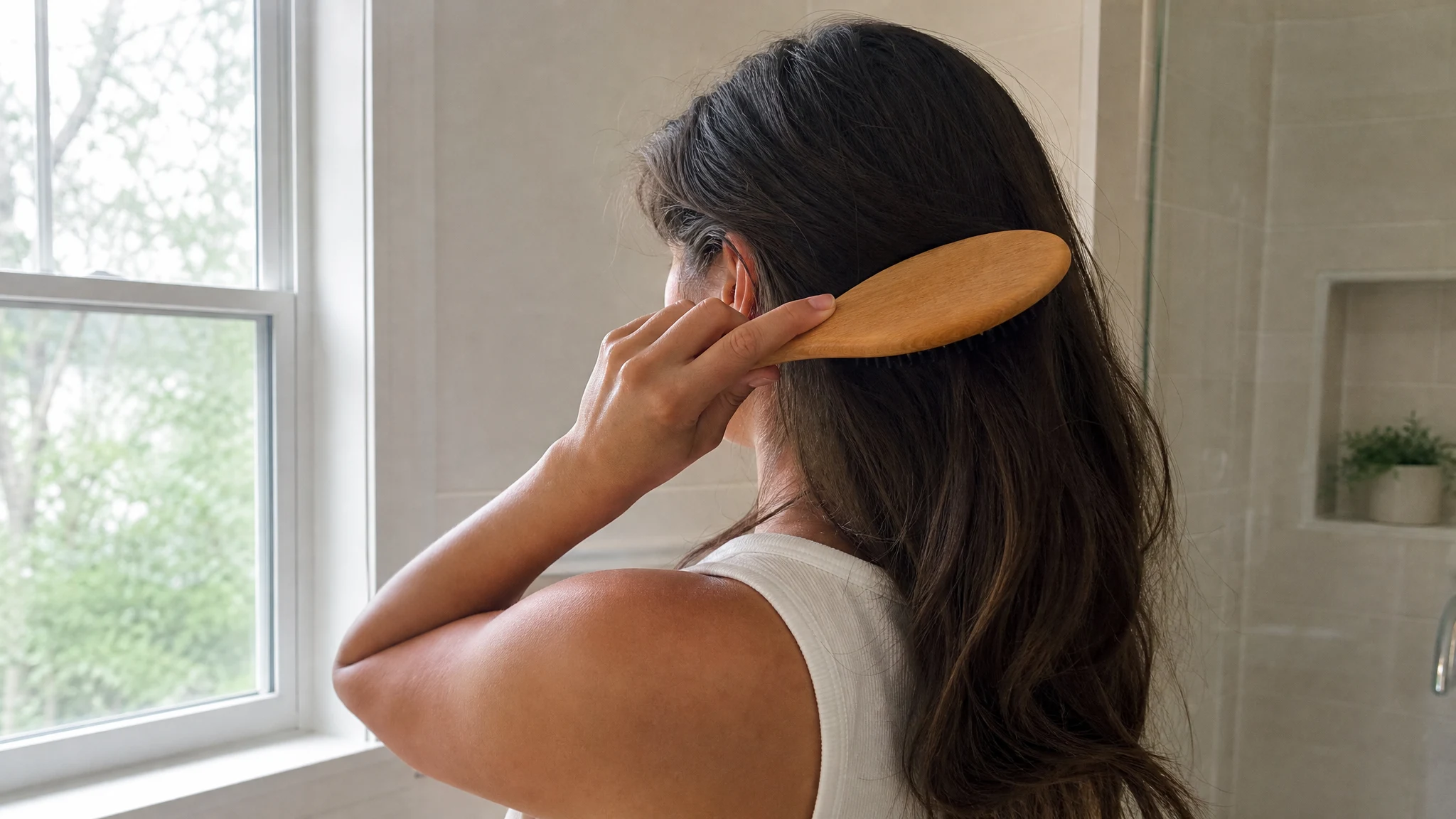
Cedarwood Hair Claims: What the 1998 Scalp Trial Tested
Product pages quote a 44 percent figure from a 1998 trial of four oils. What was tested, who took part and why it is not a cedarwood result.
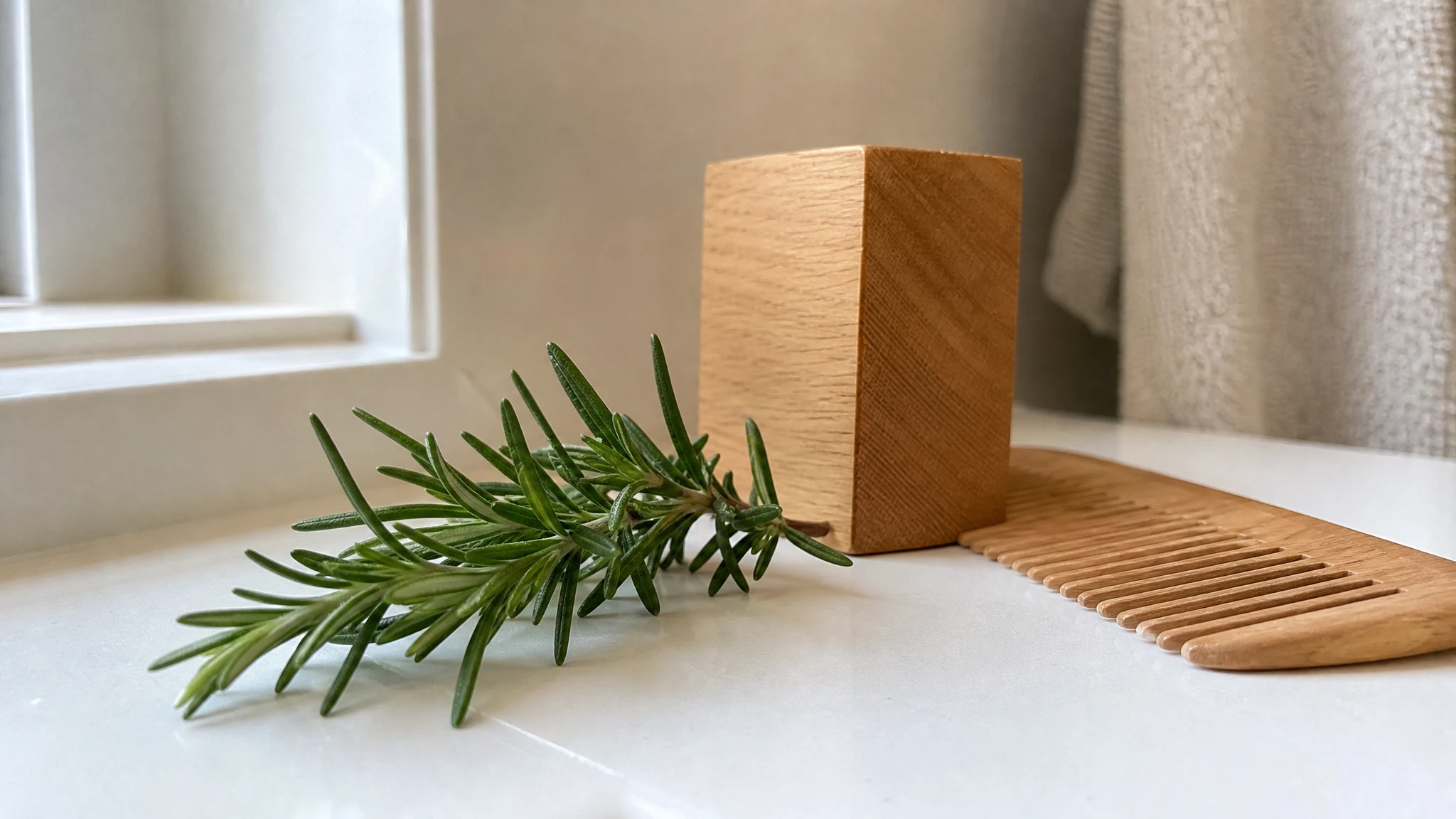
Cedarwood vs Rosemary Oil: What the Trials Show
Nobody has tested cedarwood against rosemary oil head to head. See what two separate scalp trials actually found and how to choose by scent instead.
Flaky Scalp and Cedarwood Oil: What to Try First
Dandruff advice starts with a shampoo, not an oil. What the NHS and FDA say, what lab papers show, and how to use cedarwood scent sensibly.

Does Cedarwood Oil Repel Insects? What the Research Shows
Cedarwood turns up in lots of bug talk. Here is what the ant and tick studies tested, what EPA exemption means, and why we sell ours for scent.
Does Cedar Stop Clothes Moths? What Really Protects Wool
Caterpillars, not moths, damage wool. What extension entomologists recommend first, what they say about cedar, and how to use cedarwood for closet scent.

Cedarwood Oil vs DEET: What Mosquito Studies Show
DEET protected for hours in a landmark cage study while most botanicals lasted minutes. See the numbers and where cedarwood fits as a scent.
Cedarwood Body Mist: A Woody Scent for Summer Nights
Cedarwood in a spray smells like a porch in the pines. Here is a 0.5% mist, how to mix it, and why we think of it as a scent and not as protection.

Does Cedarwood Oil Kill Bed Bugs? The Rutgers Results
The famous cedar bed bug spray had two plant oils and a detergent in it. We read the Rutgers lab and apartment studies to see what the cedar did.

Does Cedarwood Oil Keep Ants Away? The USDA Findings
USDA researchers saw ants avoid a cedar extract, but foragers are not the colony. What the studies say, and where a woody scent really fits in.
Cedarwood Oil Safety: Skin, Kids, Pets and Pregnancy
Cedarwood oil is a concentrated aromatic material. Here is how we handle it: dilute it, patch test it, store it well and know when to ask a professional.
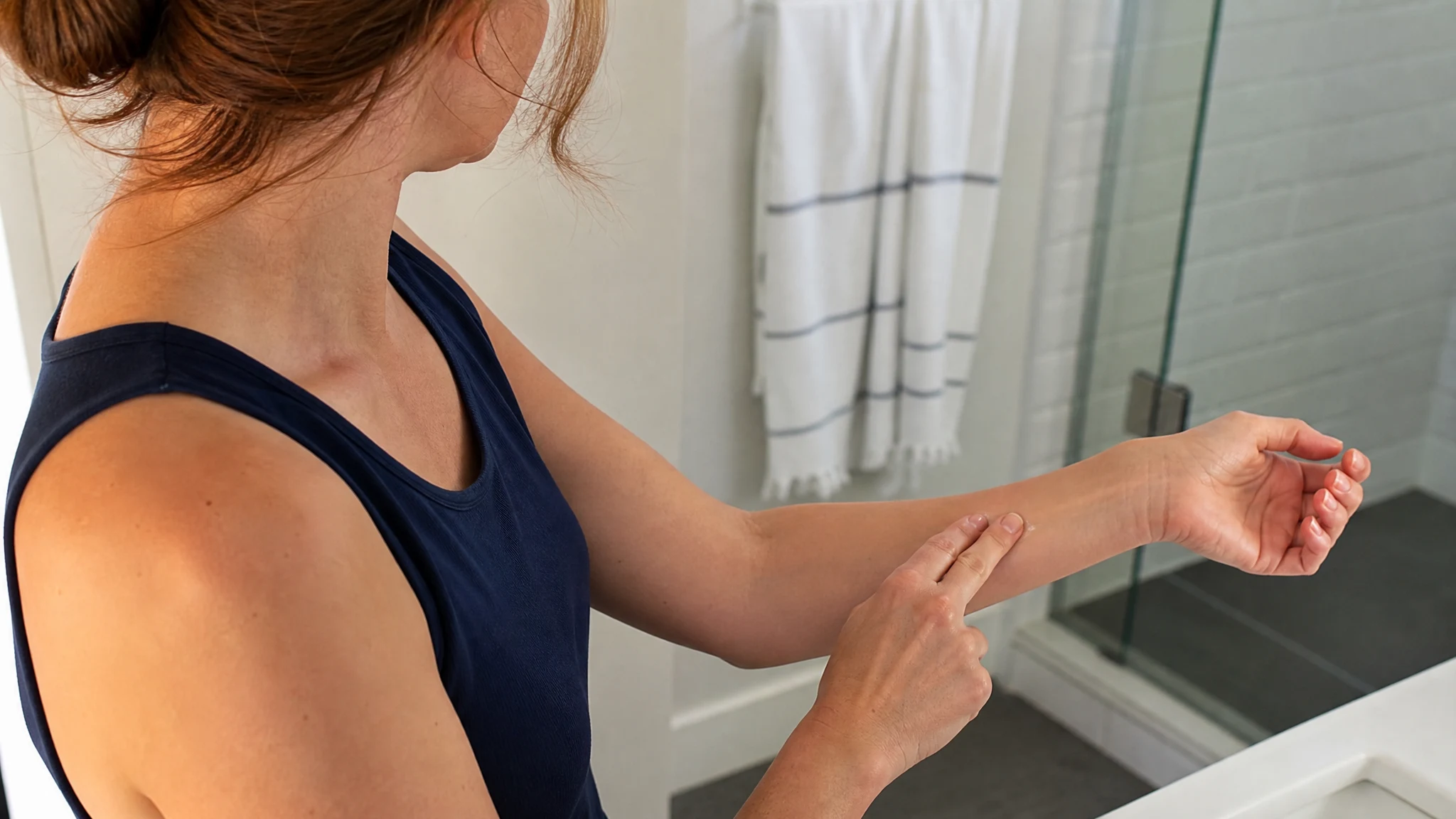
How to Patch Test Cedarwood Oil at Home, Step by Step
A five-minute habit worth keeping: how to patch test a diluted cedarwood blend, what the test cannot promise and when a dermatologist takes over.

Is Cedarwood Oil Safe in Pregnancy? Our Cautious Take
We set cedarwood oil aside during pregnancy as a precaution. Our reasoning, where the research stops, and how to talk it over with a clinician.

Cedarwood Oil and Children: Storage Comes First
With children in the house, the scent in the room matters far less than where the bottle sits. Here is how to store it and what to do in a hurry.

How to Read a Cedarwood GC/MS Report
A GC/MS report is a fingerprint, not a pass mark. Learn the identity check, the marker compounds and the questions to ask any cedarwood seller.
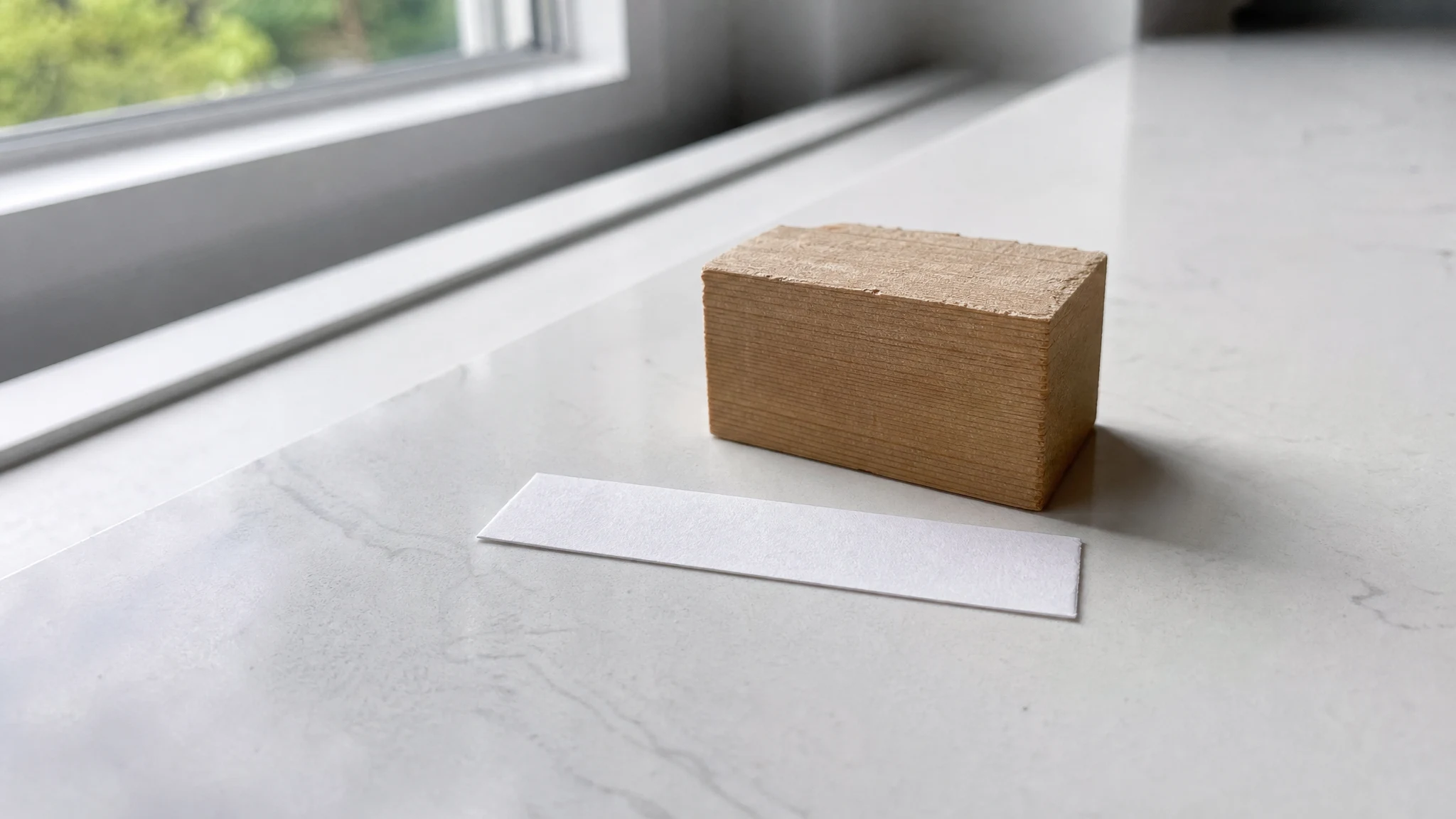
Fake Cedarwood Oil: What Home Tests Can and Can't Tell
Paper spots, water floats and sniff tests catch clumsy cheating, not a swapped cedar. Here is what each test shows and what to ask any seller.

Is Cedarwood Oil Organic? How to Read the Label
An organic seal speaks to how a crop was grown and handled, not which tree is in the bottle. Here is how to read the claim on a cedarwood oil label.

Cedarwood Oil Shelf Life and Storage: How Long It Lasts
Cedarwood oil keeps for years, but not forever. Learn what changes inside an aging bottle, our typical years for each oil, and storage that helps.

Cedarwood Oil Sustainability: Which Tree, Which Wood
Cedarwood oil comes from four very different trees. One is Endangered, one has spread over millions of acres. What matters is where the wood comes from.

Cedarwood Oil and Sleep: What the Cedrol Studies Show
Cedarwood sleep headlines trace back to cedrol studies in rats and a mask experiment. A plain look at what was measured and which oils contain cedrol.

Cedarwood Oil and Anxiety: What the Studies Really Show
One trial used cedarwood in a three-oil blend and one study used injected oil in mice. A fair look at what the research says and what it leaves open.

Cedarwood Oil and ADHD: Where the Claim Began
A popular claim links cedarwood oil to children's focus. We followed it back to see what stands behind it and what pediatric guidance actually recommends.

Cedarwood Oil on Skin: Dilution Tips and Patch Testing
Cedarwood brings a dry, woody scent to body oils and balms. Here is how we would dilute it, why we start low and which of our four oils suits the job.
Cedarwood Oil for Acne: What the Research Shows
Cedarwood oil is not an acne product. See what one case report offers, what dermatologists suggest, and where cedar scent is best enjoyed instead.
Cedarwood Oil and Eczema-Prone Skin: Read the Label
Fragrance-free is the rule dermatologists give for eczema-prone skin. Here is what that means for cedarwood oil and where cedar scent fits instead.
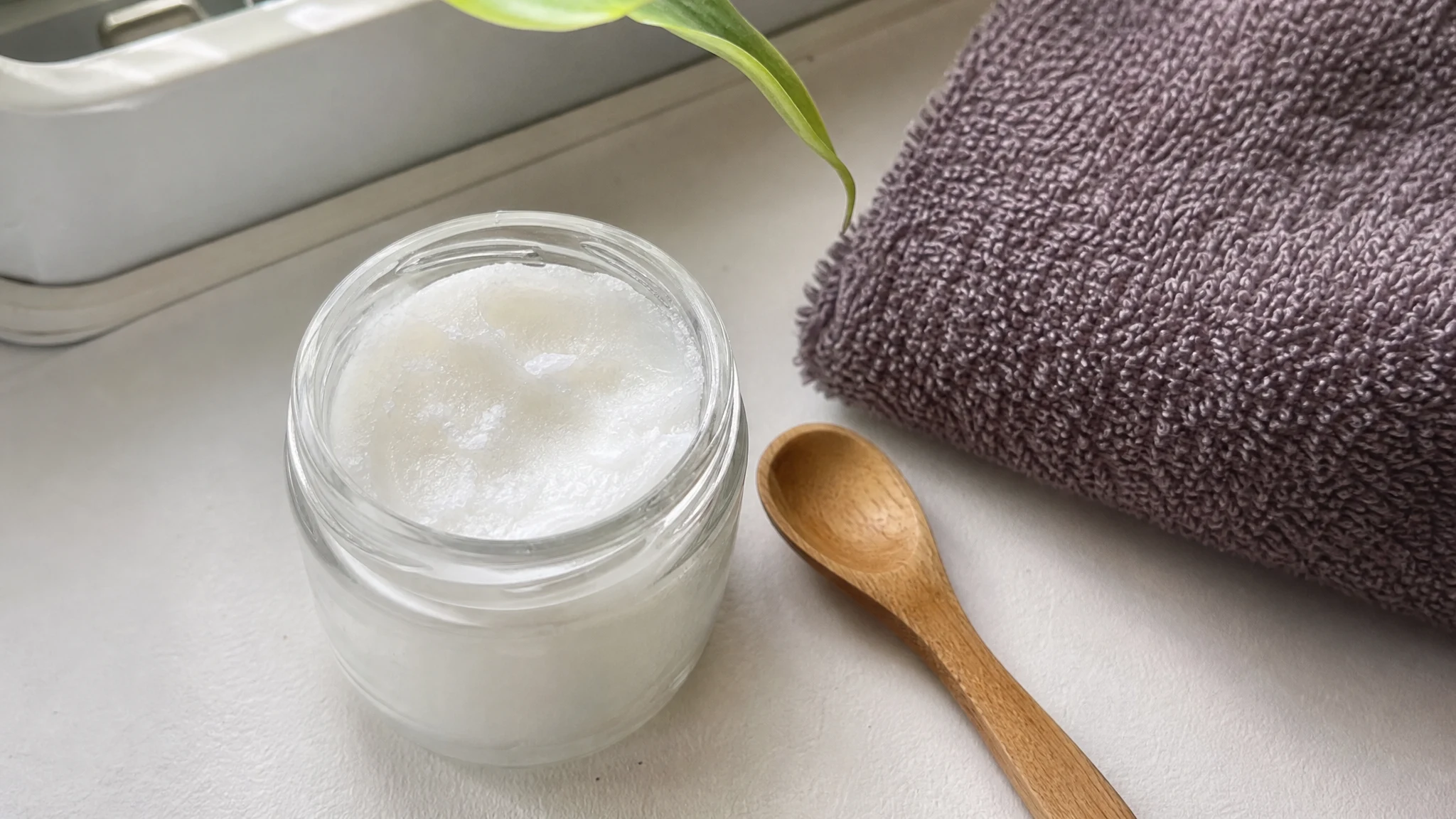
Cedarwood Deodorant Balm: A Gentle Scent-Only Recipe
A soft shea and arrowroot balm with a whisper of cedar. It is a scent layer, not an antiperspirant, and 0.5% is plenty for thin underarm skin.

Cedarwood Massage Oil: Weigh It, Keep It Light
A massage oil is mostly carrier. Choose it well, weigh a gentle 0.5% to 1% of cedarwood into it, and remake the bottle often to keep it fresh.
Cedarwood in Perfumery: Using the Dry, Woody Base Note
Cedarwood is the quiet floor of a woody blend. Learn how base notes work, how our four oils differ, and how to plan a small roller accord.
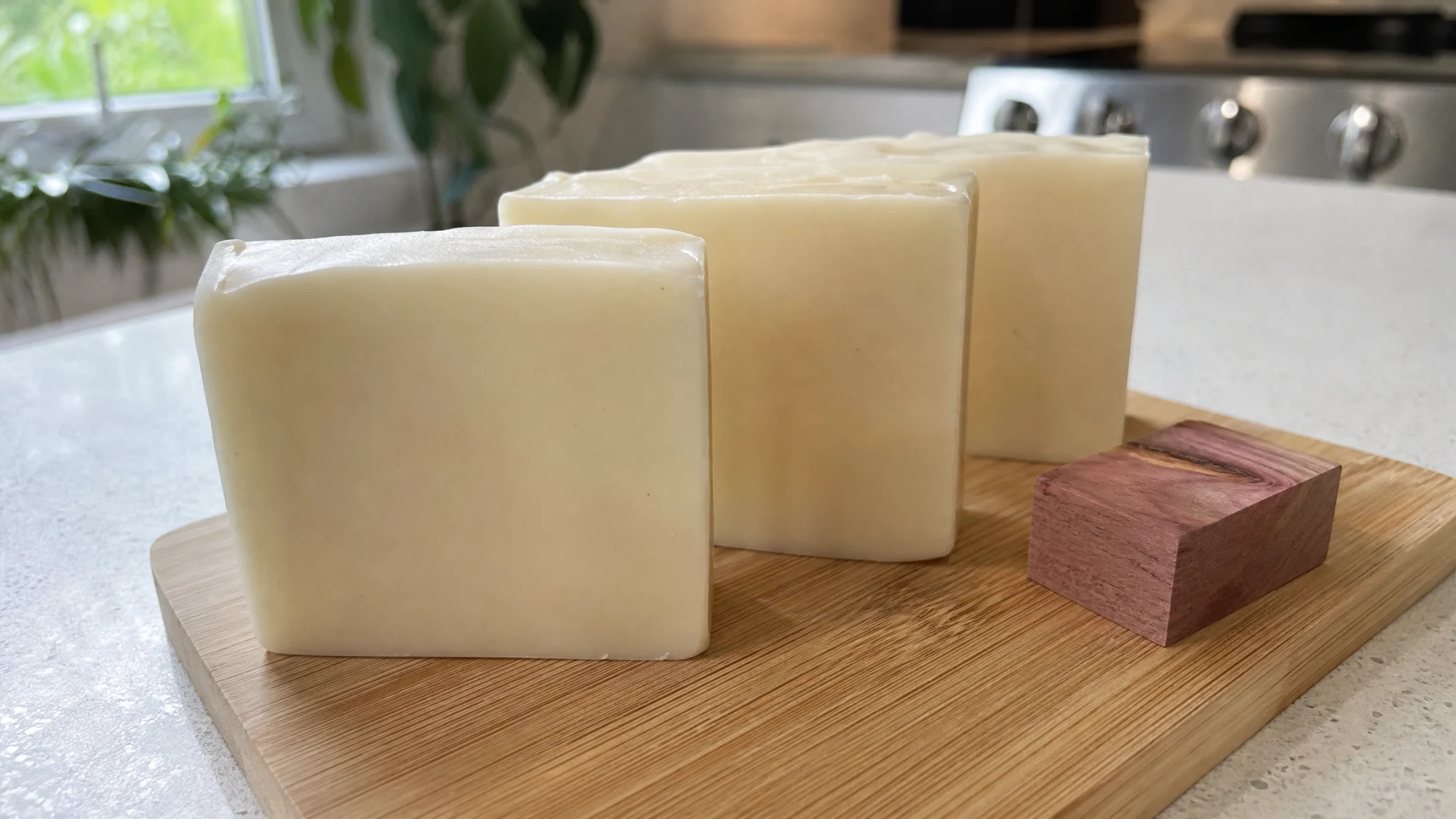
Cedarwood Oil in Soap: Lye Safety and Scent Rates
Cedarwood lingers in soap beautifully. Start with lye safety, then add a weighed, modest dose and make one test bar before the full pour.
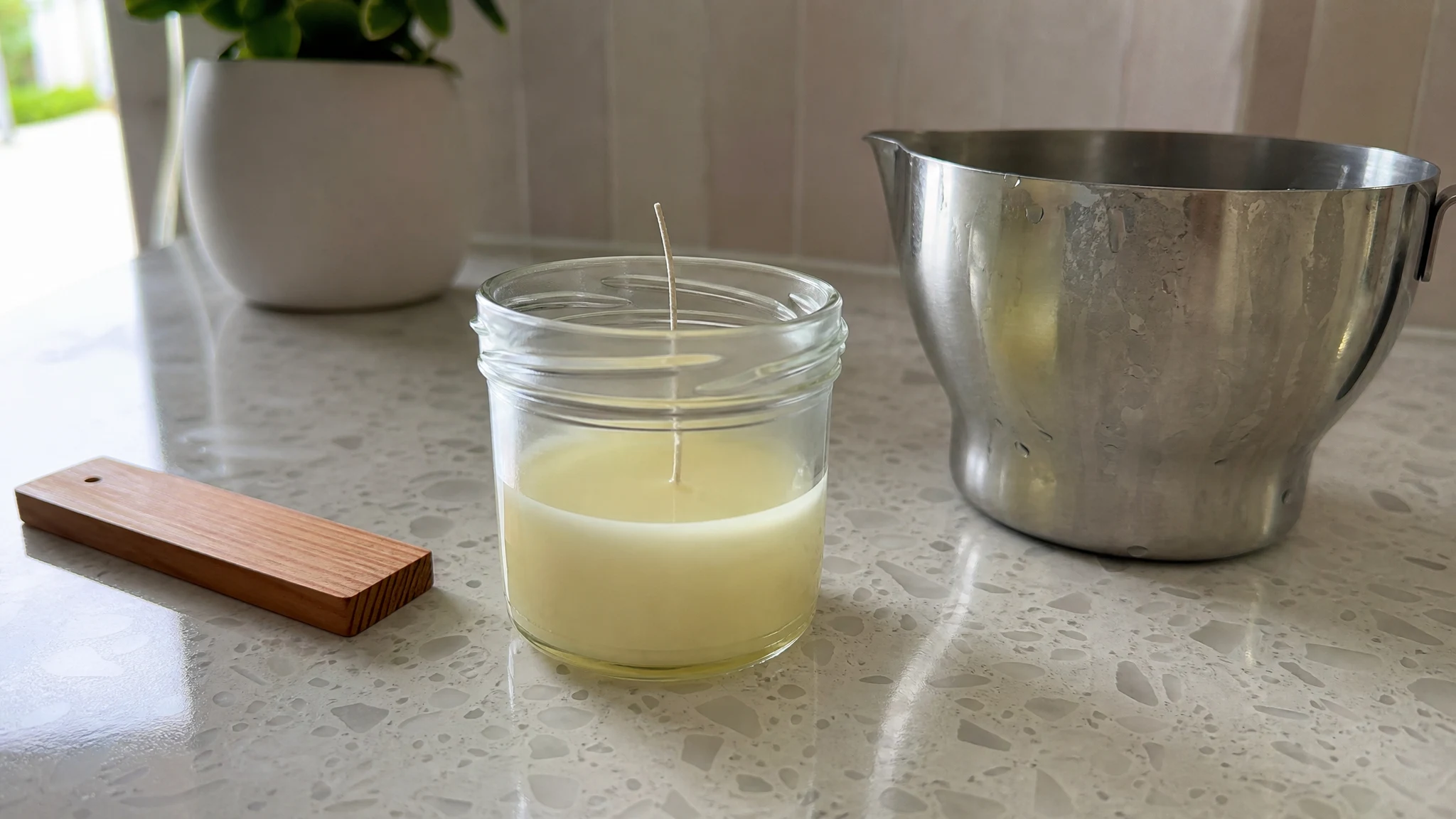
Cedarwood Candles: How Much Scent to Start With
A cedarwood candle smells like a cabin in the woods. Work out the oil for a 200 g pour, choose your temperatures and test your way up from a light load.
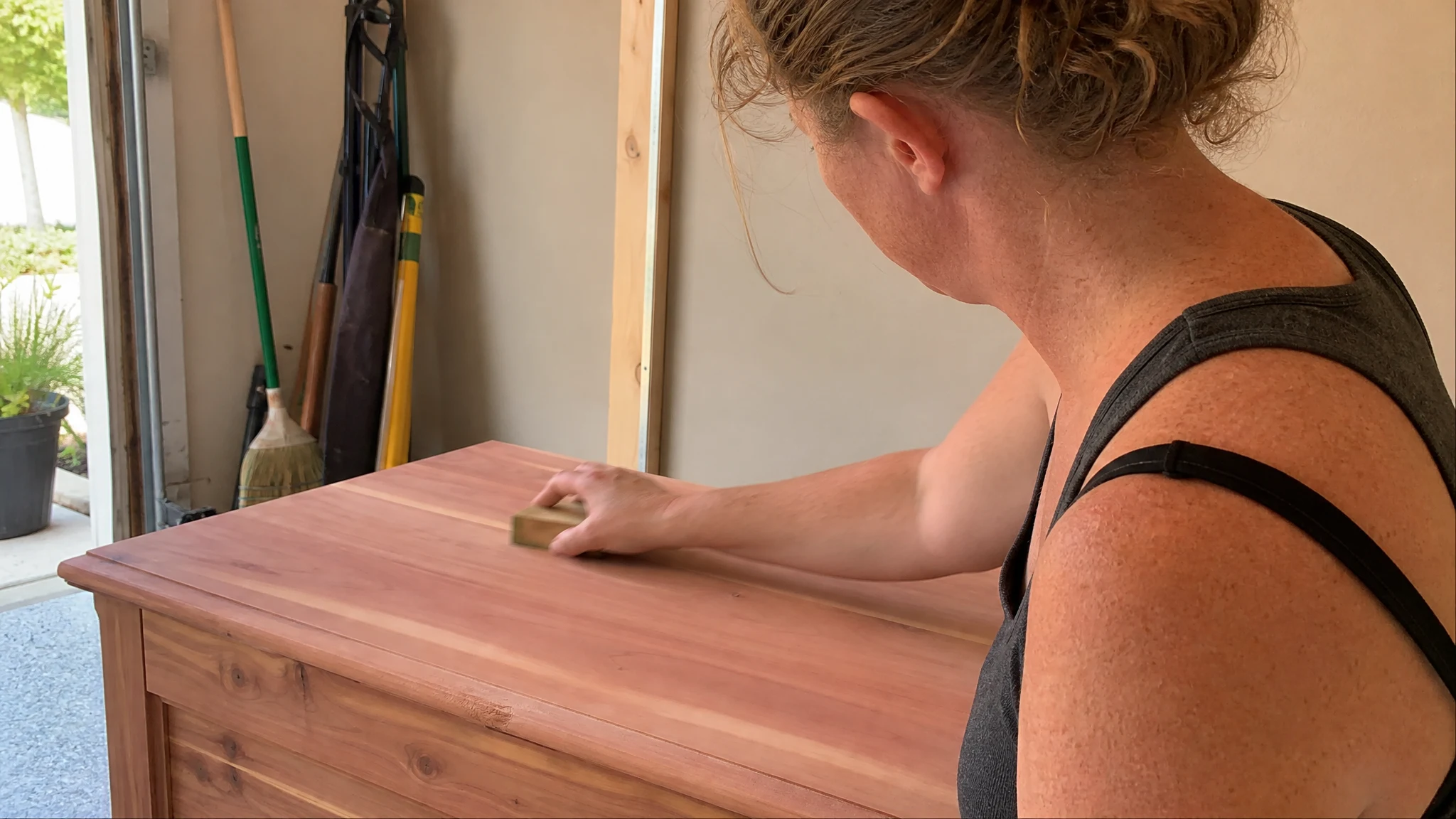
How to Refresh a Cedar Chest With Cedarwood Oil
Cedar chest lost its smell? Check whether the wood is bare, sand lightly, add a counted top-up of oil and handle oily rags safely. Here is how.

What Is Cedarwood Oil? Cedars, Junipers and Names
Cedarwood oil comes from more than one kind of tree. Meet the four behind our range, what gives each its woody scent, and how to tell them apart.
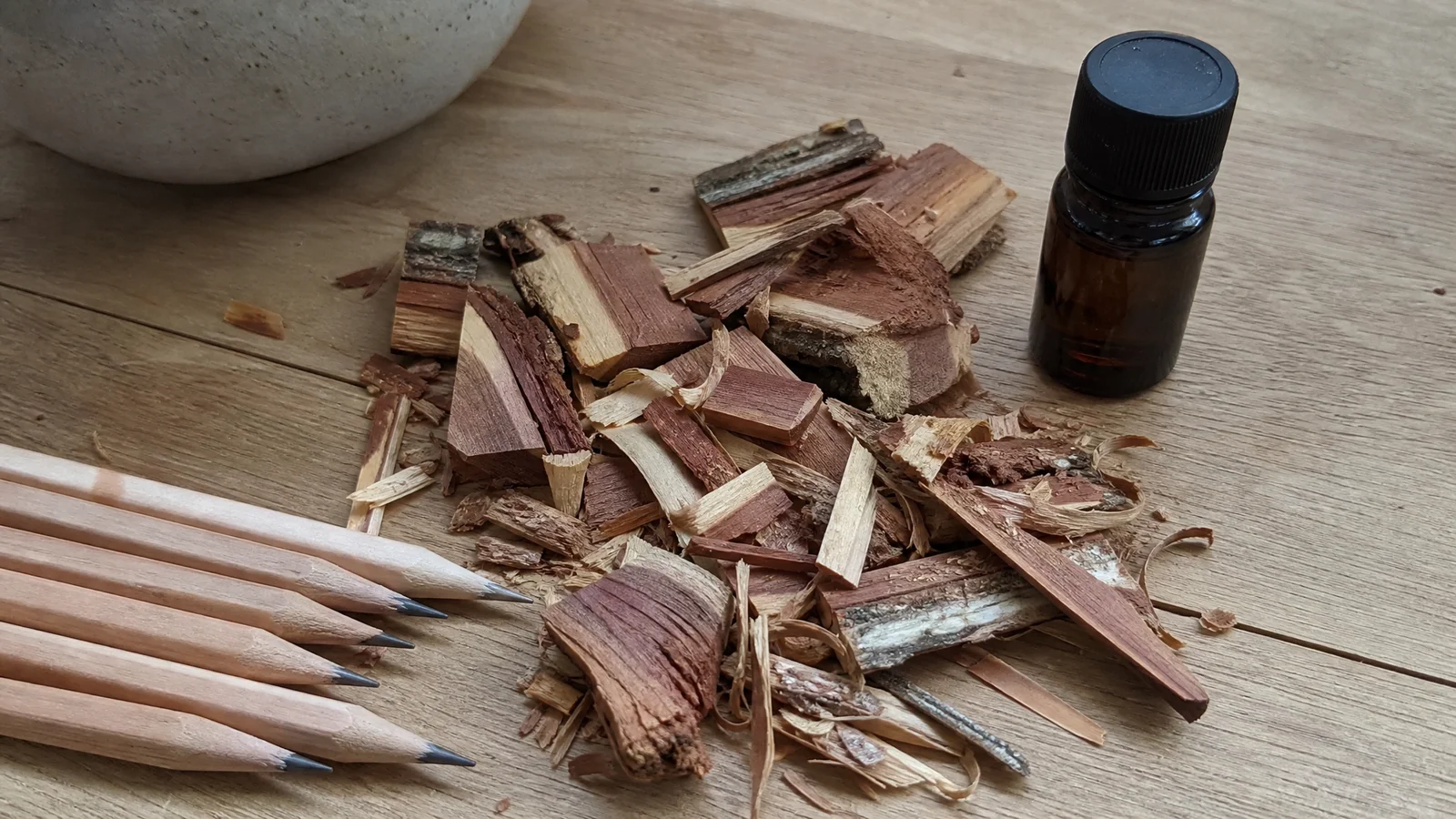
What Does Cedarwood Oil Smell Like? Four Oils Compared
Ask what cedarwood smells like and the answer depends on the tree. Here is how our Atlas, Himalayan, Virginian and Texas oils differ on the nose.
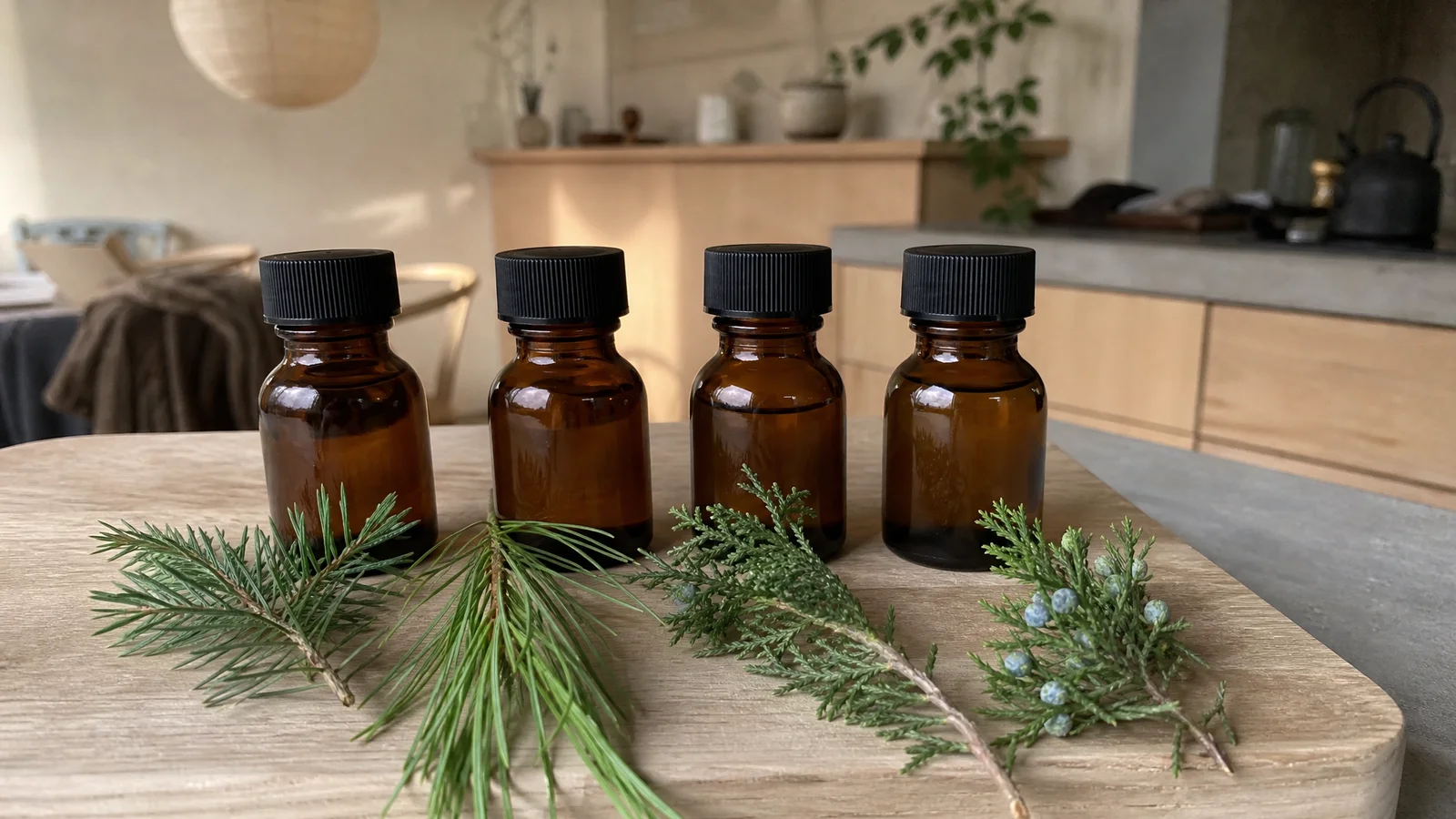
Atlas, Himalayan, Virginian, Texas: Cedarwood Oils Compared
Two true cedars and two junipers share the cedarwood name. Meet Atlas, Himalayan, Virginian and Texas, and find the one that suits your project.
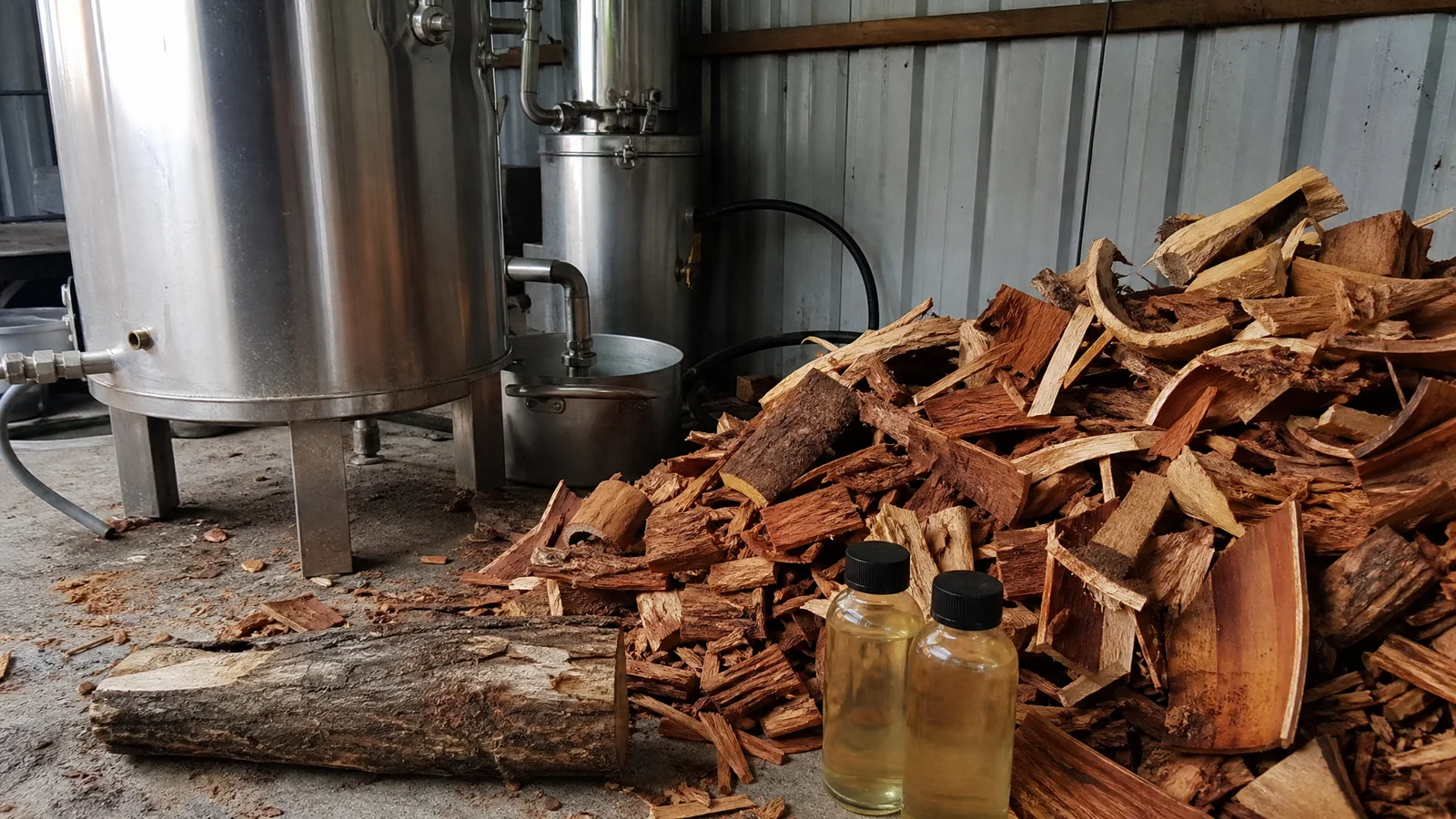
How Is Cedarwood Oil Made? Steam Distillation Explained
From milled wood to steam to decanted oil: how cedarwood oil is made, why four trees give four different scents, and what paperwork to ask any seller for.
How to Dilute Cedarwood Oil: Simple Ratios and Tips
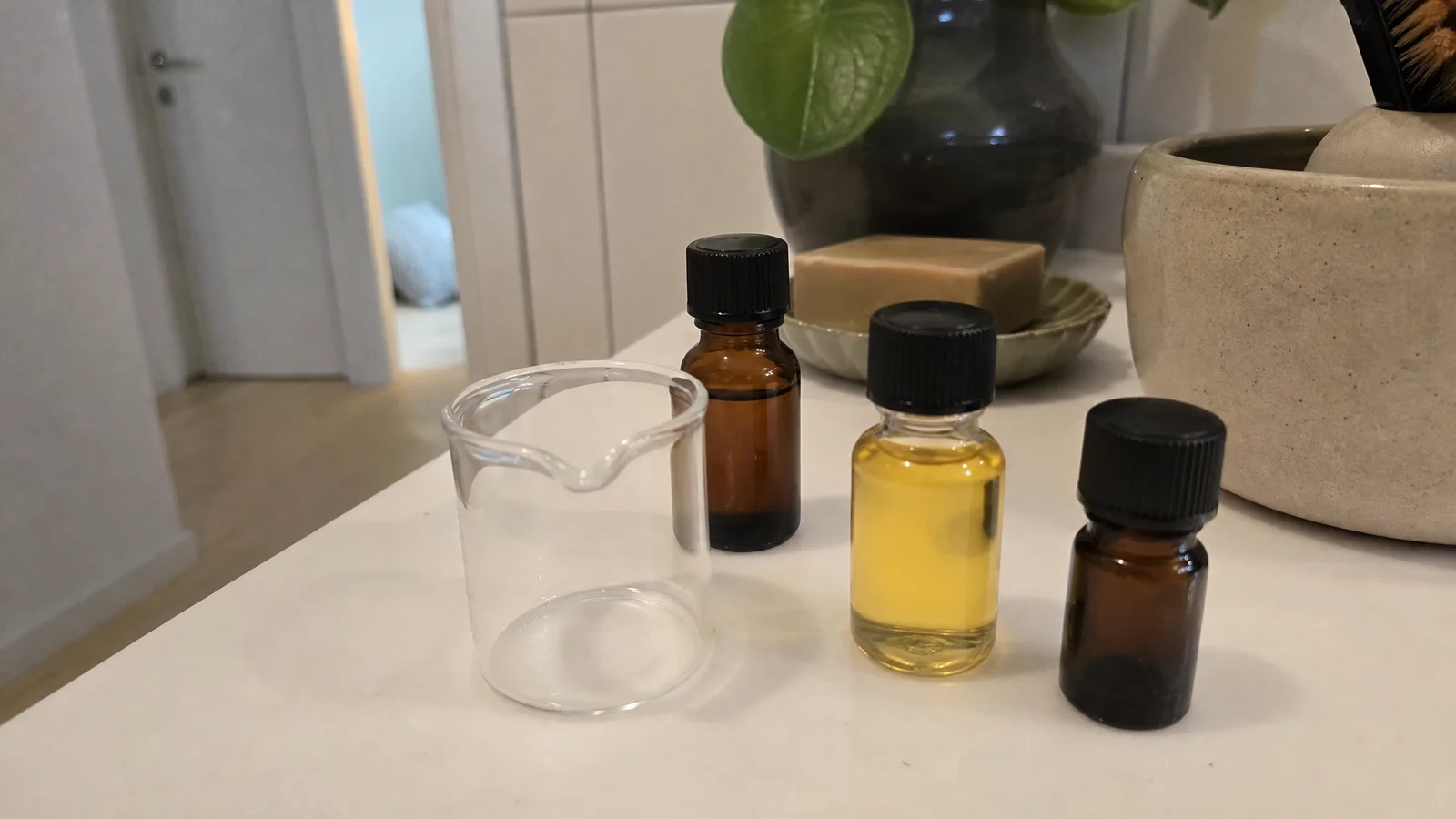
Drops per ounce, a gentle place to start, and what to mix cedarwood into: the simple maths of diluting a woody oil, plus a sensible patch test.

Cedarwood Oil Around Dogs: Spills, Licks and Storage
Dogs lick, sniff and investigate. How coat, mouth and room exposures to cedarwood oil differ, what vets advise and the storage habits that keep it simple.

Cedarwood Oil and Cats: What Cat Owners Should Know
Cats groom everything that lands on their fur, so storage, spills and diffusers matter. What vets say about cedar oil and how to keep a cat household easy.
Cedrol vs Atlantones: What Sets Cedarwoods Apart
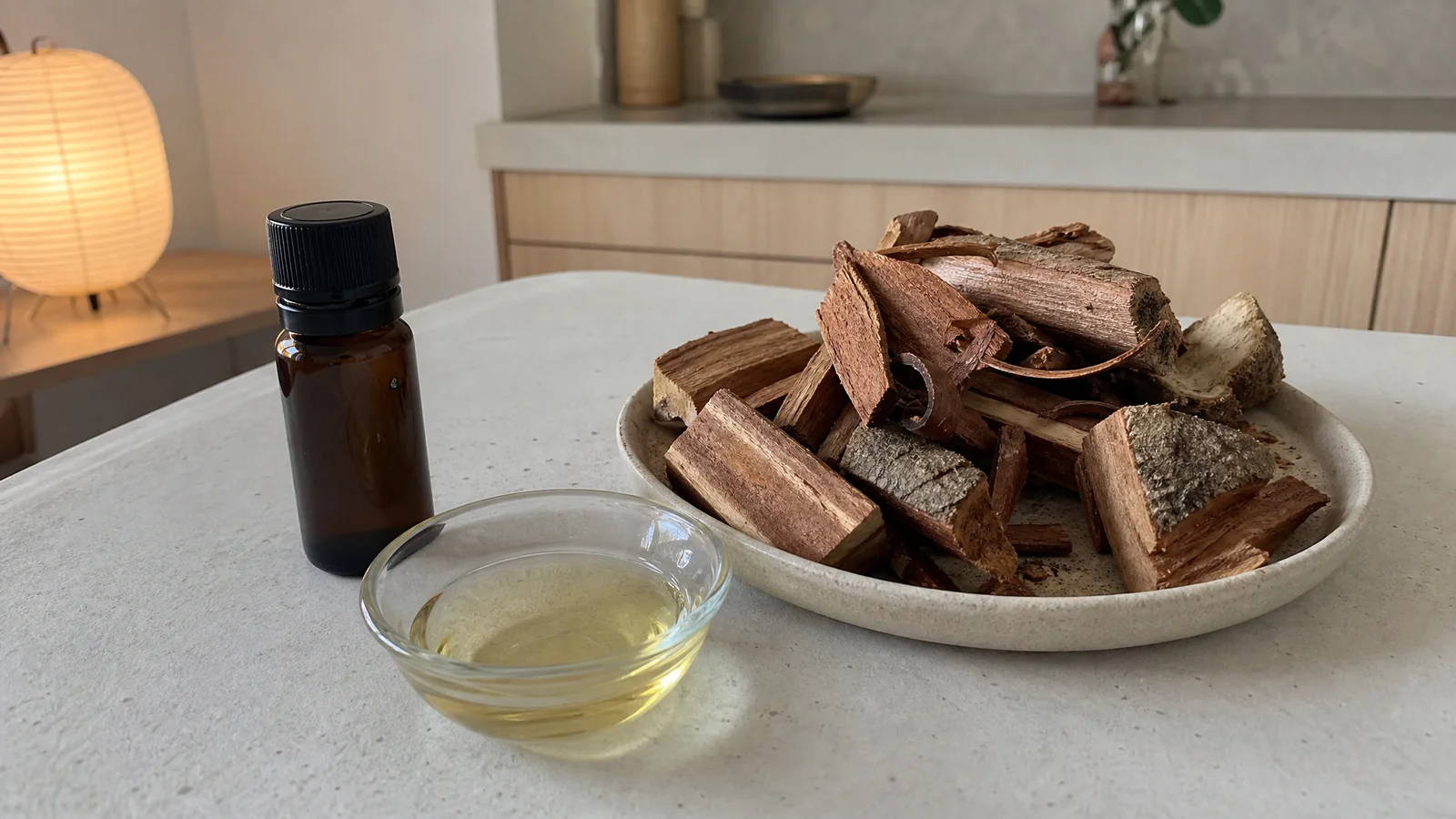
Cedrol is a juniper compound, not the mark of a true cedar. Which cedarwood oils carry cedrol, himachalenes and atlantones, and why numbers vary.
History of Cedar: From Temple Beams to Cedar Chests
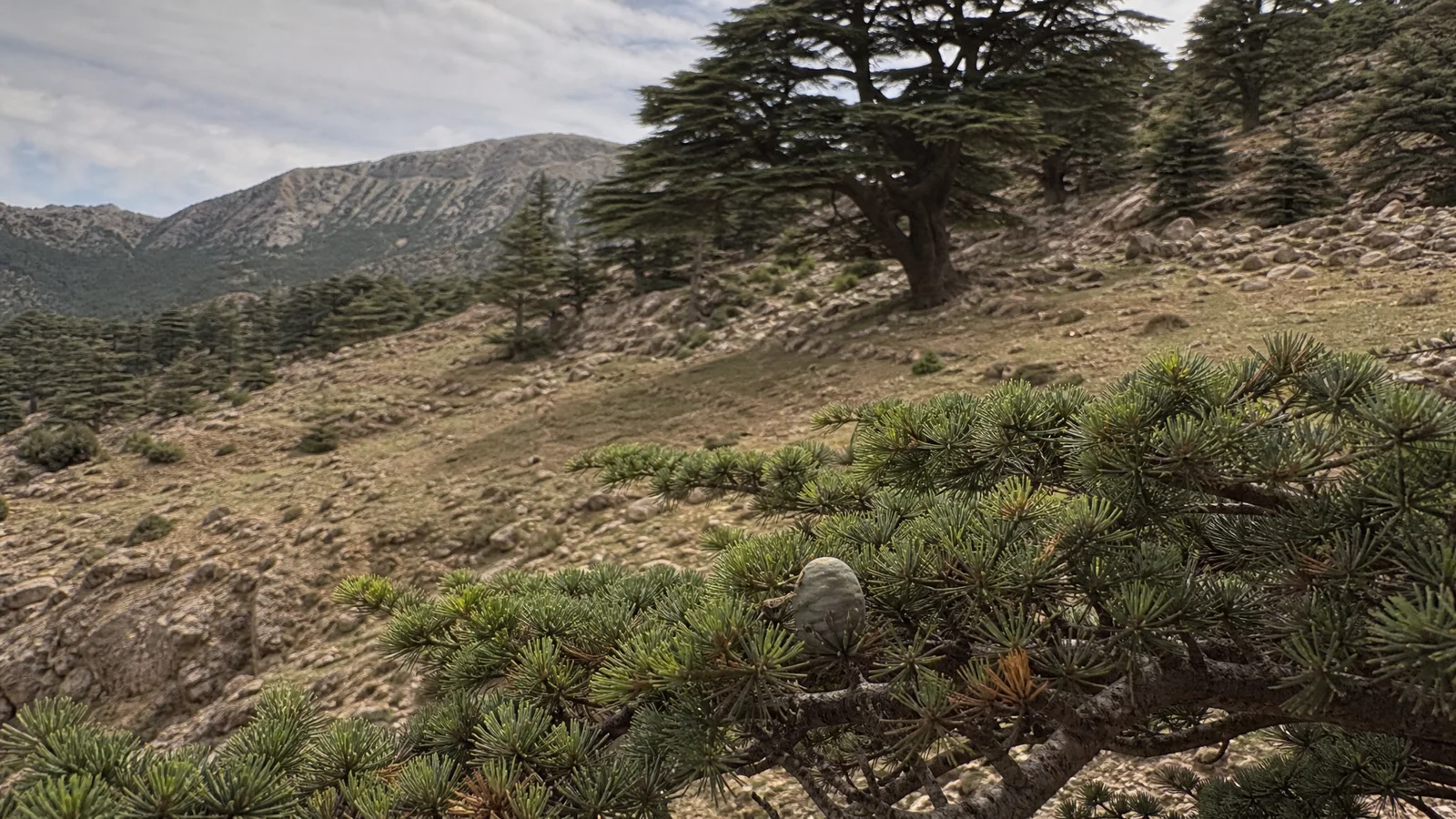
From temple beams to the cedar chest, a friendly look at what is documented about cedar, what is still a mystery, and why the name is so slippery.

Cedarwood Oil FAQ: Species, Skin, Pets and Storage
Which tree is in the bottle? How much goes on skin? How long does it last? Answers to the questions that matter before you pick a cedarwood oil.
Cedarwood Oil Uses at Home: Closets, Diffusers and More
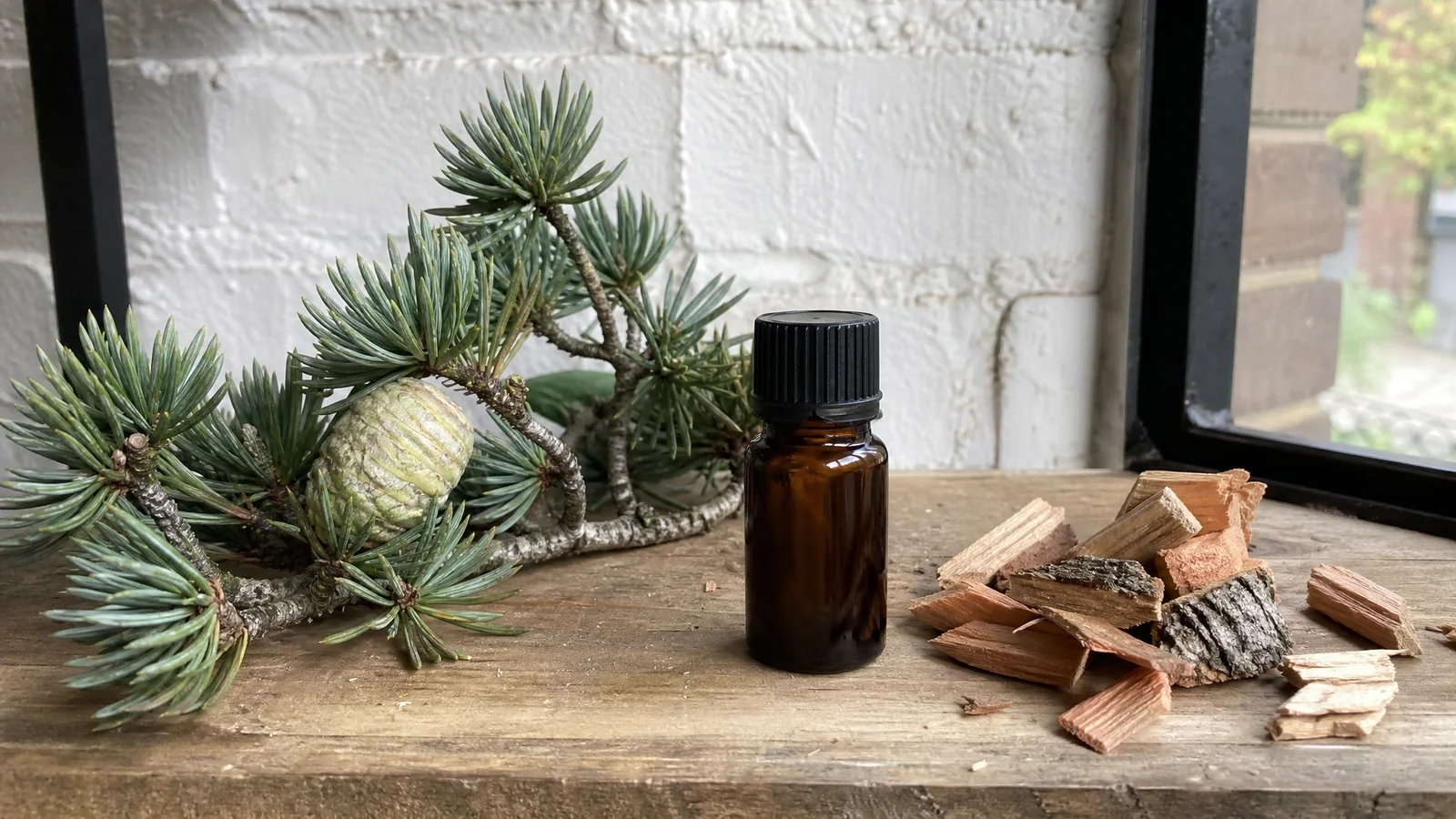
From closet drawers to candles and soap, a tour of the scent-led ways to use cedarwood oil at home, and which of our four oils suits each one.

What to Blend With Cedarwood Oil, and in What Ratios
Bergamot and vetiver pair with all four of our cedarwood oils. Here are the partners we suggest and the simple math for keeping a blend in range.
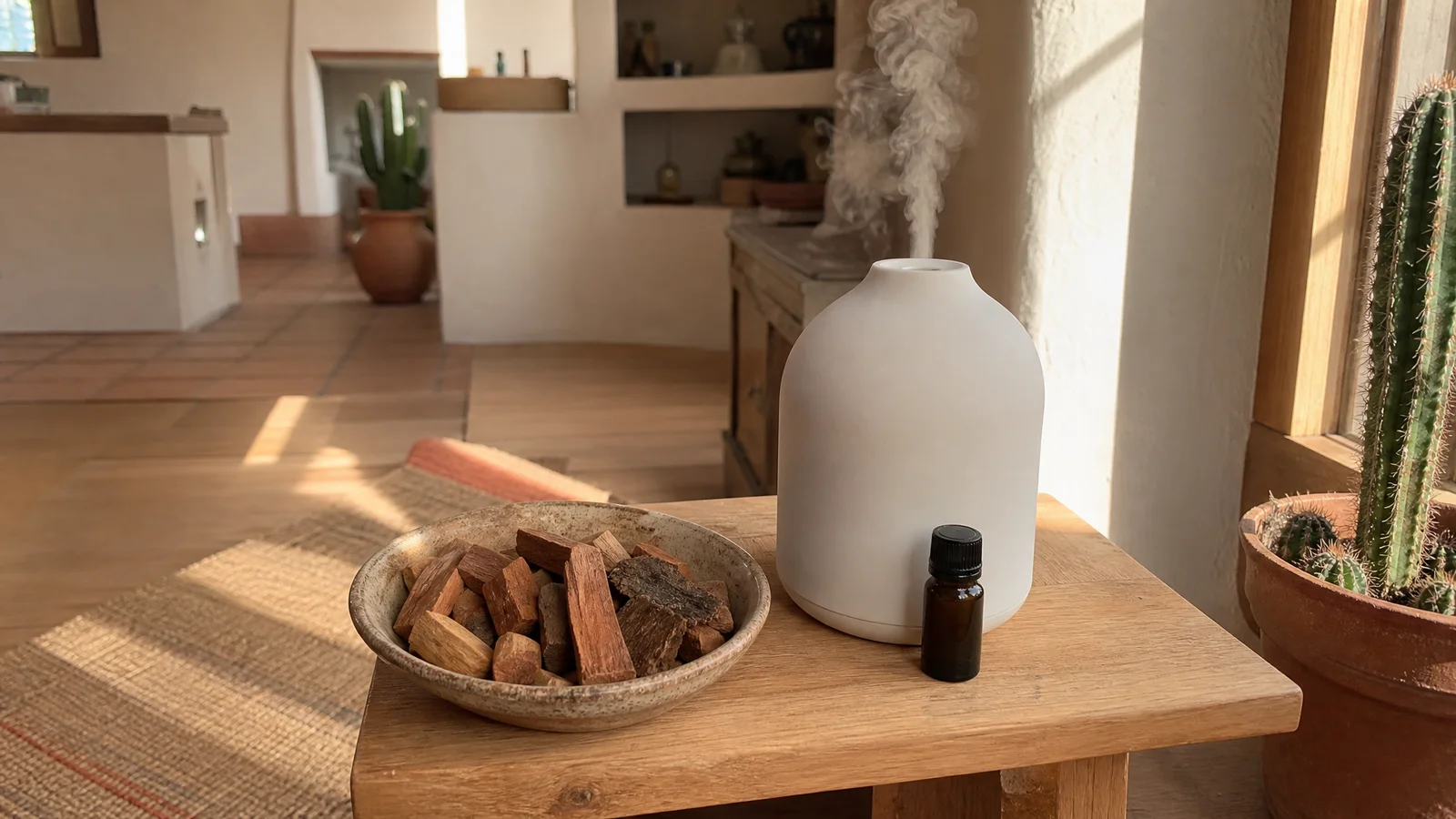
Cedarwood in a Diffuser: Tips for a Happy Room
Ultrasonic or heat, short sessions or long, pets and kids in the room: practical diffuser habits and a scent guide to our four cedarwood oils.

Cedarwood Oil for Hair Oils: Scent, Drops and Dilution
That barbershop cedar note, in a carrier oil you already like. Which of our four oils suits it, what 0.5% looks like per ounce and how to start gently.

Cedarwood Evening Routine: A Scented Wind-Down
Habits do the heavy lifting in a good evening, and cedar can be a lovely cue. Here is how to scent your wind-down lightly and sensibly.
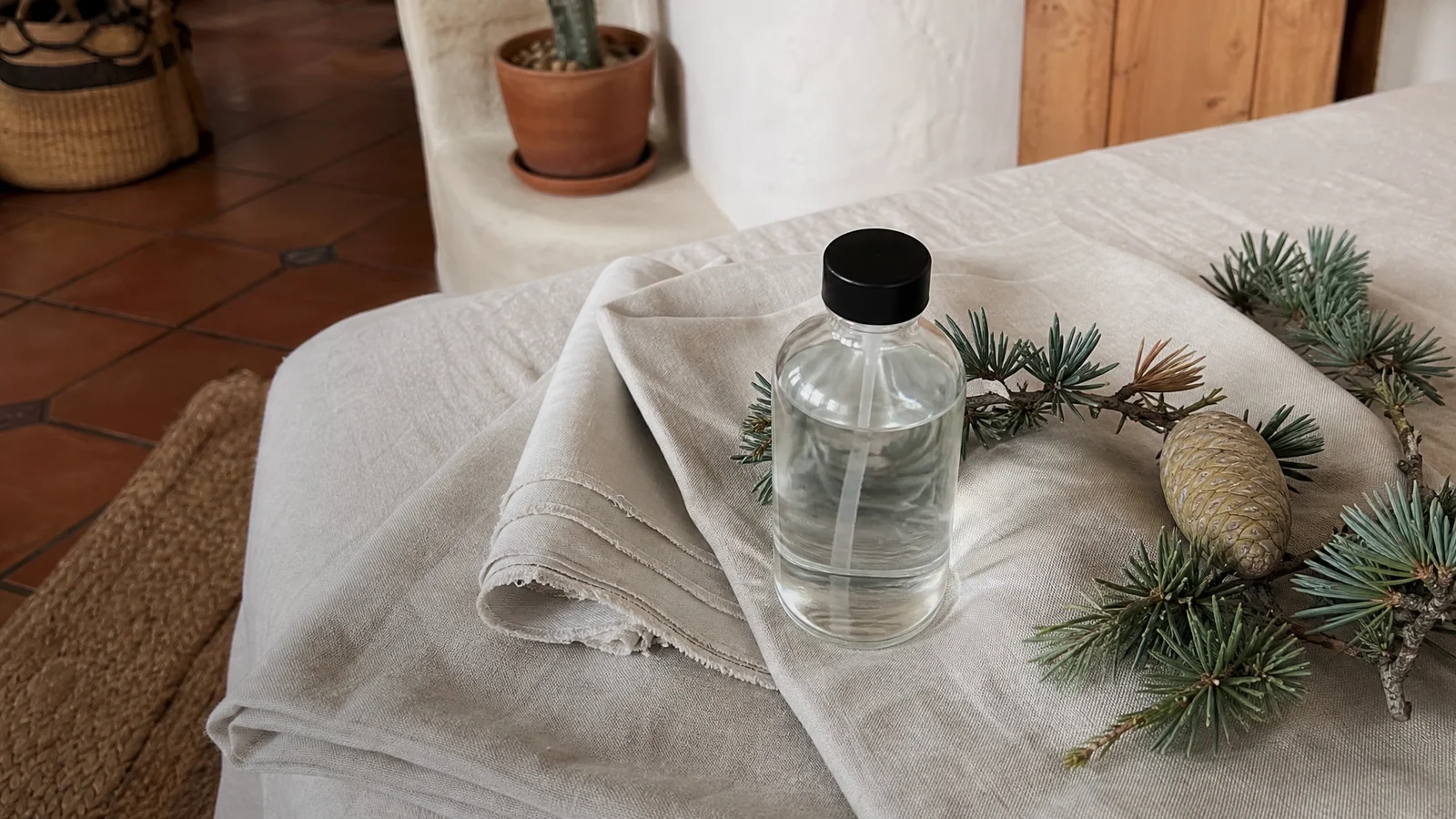
Cedarwood Linen Mist: With Water or Without?
Pillowcases, throws and a tired sofa love a cedar spritz. Decide on water first, weigh out 0.5% oil, and keep every batch small and fresh.

Cedarwood Oil for Closets: Bring Back the Cedar Smell
Cedar blocks lose their scent over the years. A light sanding, a few drops and a simple sachet bring back that old cedar chest smell in a closet or drawer.

Cedarwood Beard Oil: How Much Is Too Much?
A beard oil sits close to eyes and mouth, so the percentage matters most. Here are the drops and grams for a 30 ml bottle, all worked out for you.
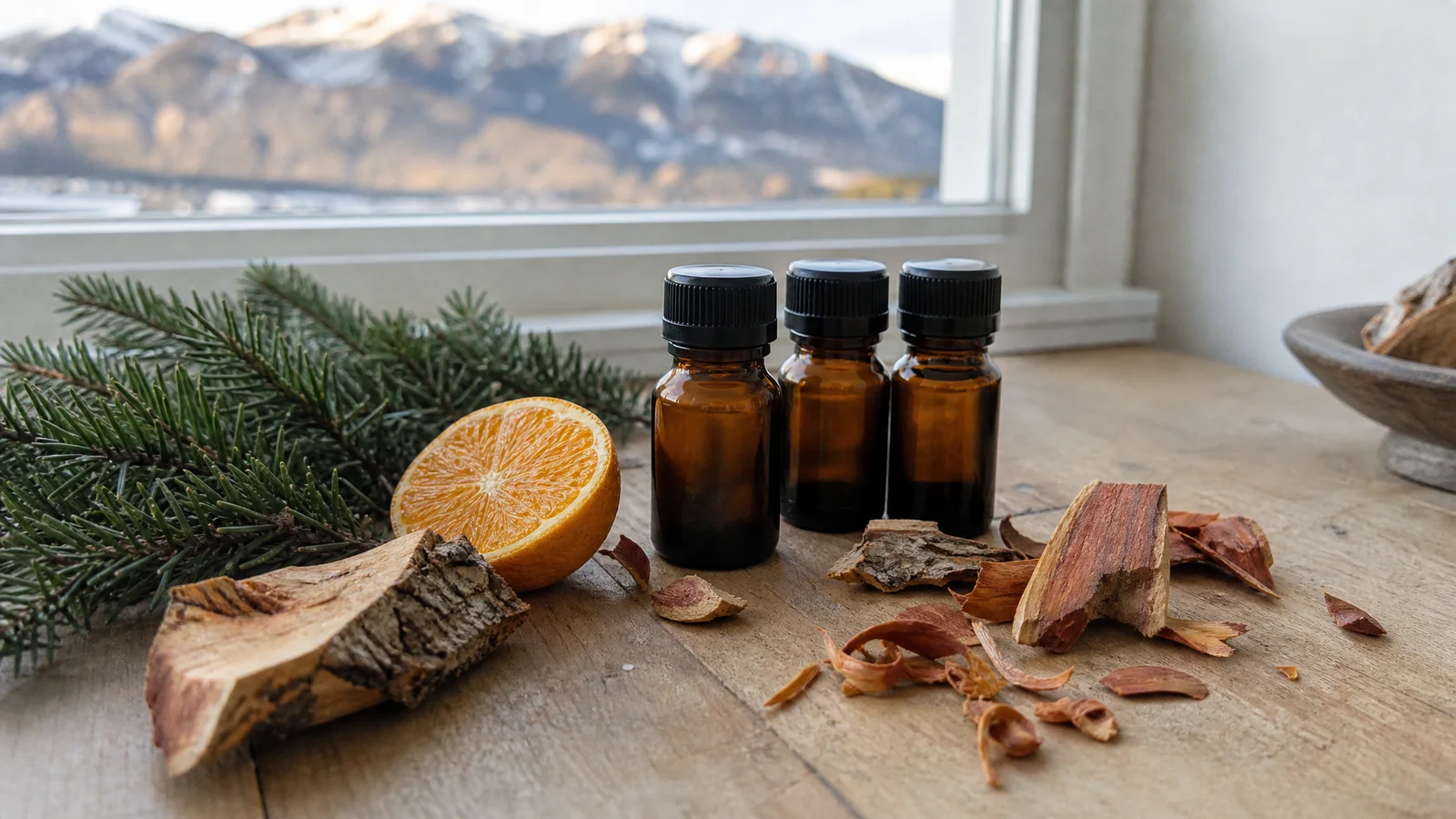
Cedar, Fir and Citrus Blend: A Cabin Scent on Paper
Cedarwood, fir and sweet orange make a cabin-style blend. Here is the weight-based arithmetic for a skin oil, plus notes on a room scent.

Cedarwood Scent as a Cue: Building an Evening Routine
Scent and memory are closely tied. Here is how a repeated cedarwood aroma can become a cue for your own quiet moment, and how to keep it simple.
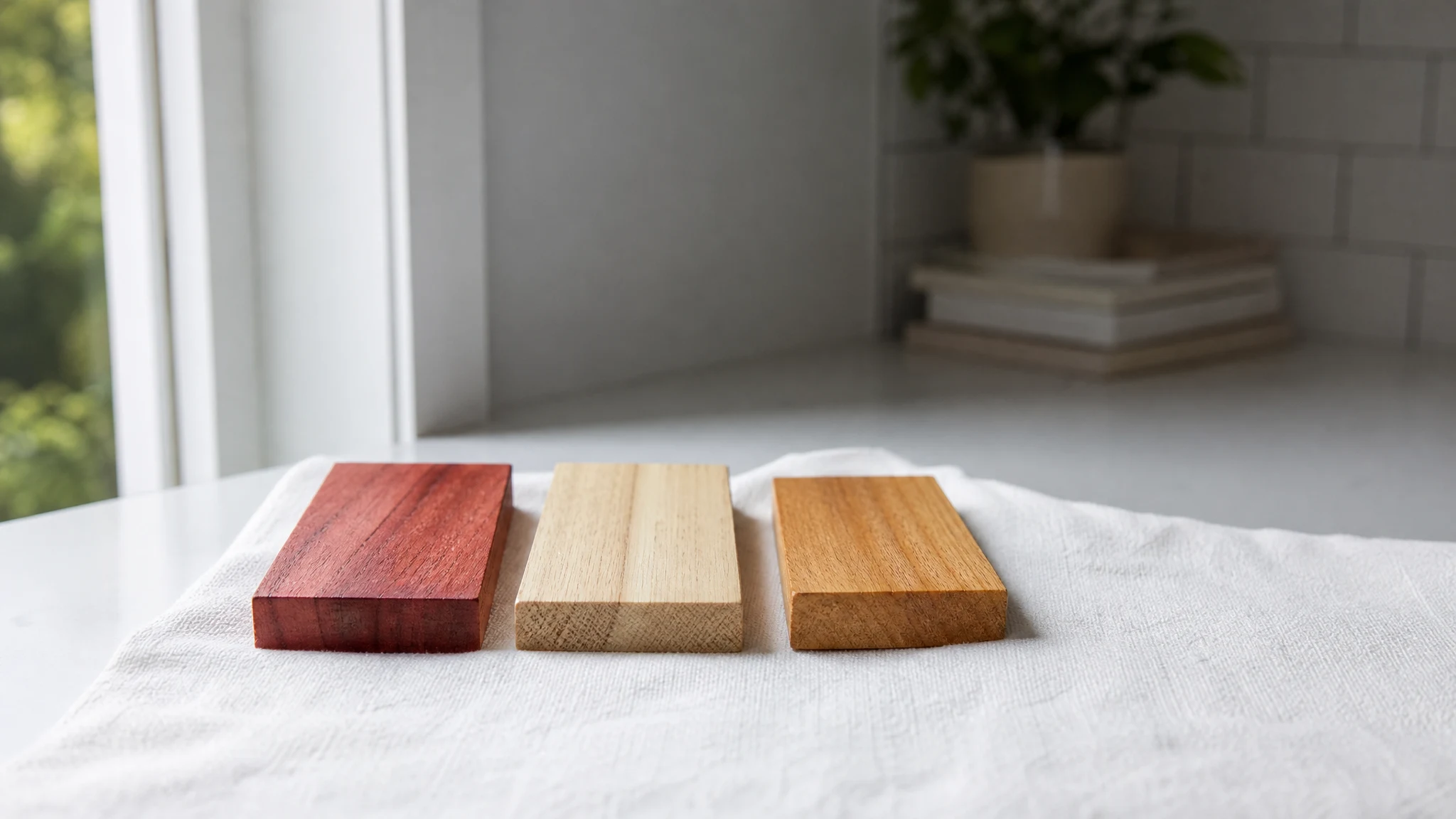
Which Cedarwood Oil Fits Your Project? A Simple Guide
Four trees share the cedarwood name. Start with the job, pick the scent that fits it, and know what to ask any seller before you place an order.

Cedarwood Oil Sizes: Which Bottle to Start With
A half ounce of cedarwood oil goes much further than most people expect. See the batch math, the shelf life, and when the bigger sizes are worth it.
Where to Buy Cedarwood Oil: What the Label Should Say
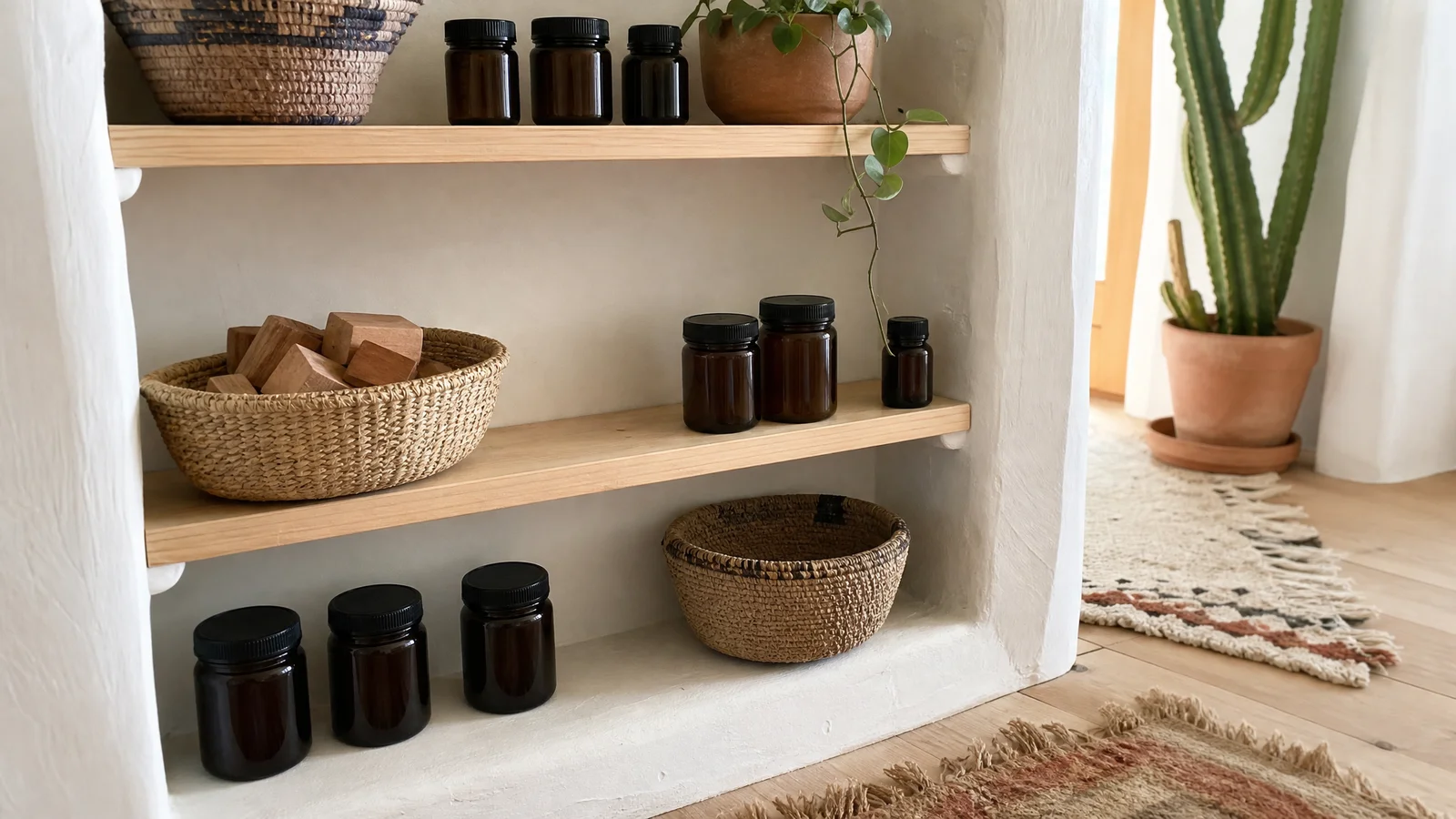
Two bottles of cedarwood oil can hold very different trees. Here are five questions about species, documents and dilution to ask before you buy.
Atlas vs Virginian Cedarwood: Which Scent Suits You?
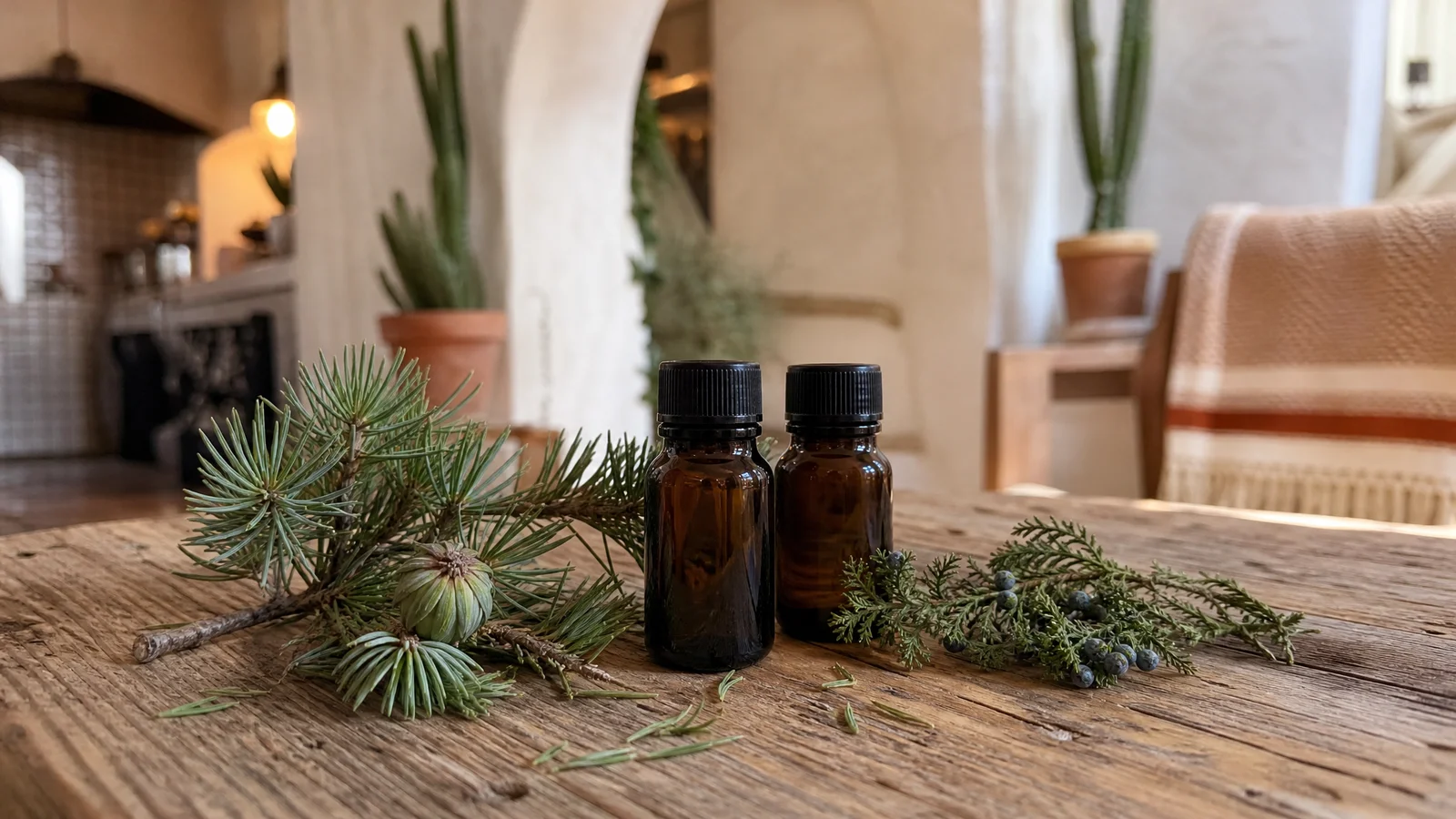
Atlas is sweet and balsamic, Virginian is sharp like pencil shavings. Learn what sets the two cedarwoods apart and which suits your project.
Cliganic vs VINEVIDA Cedarwood Oil: Listings Compared
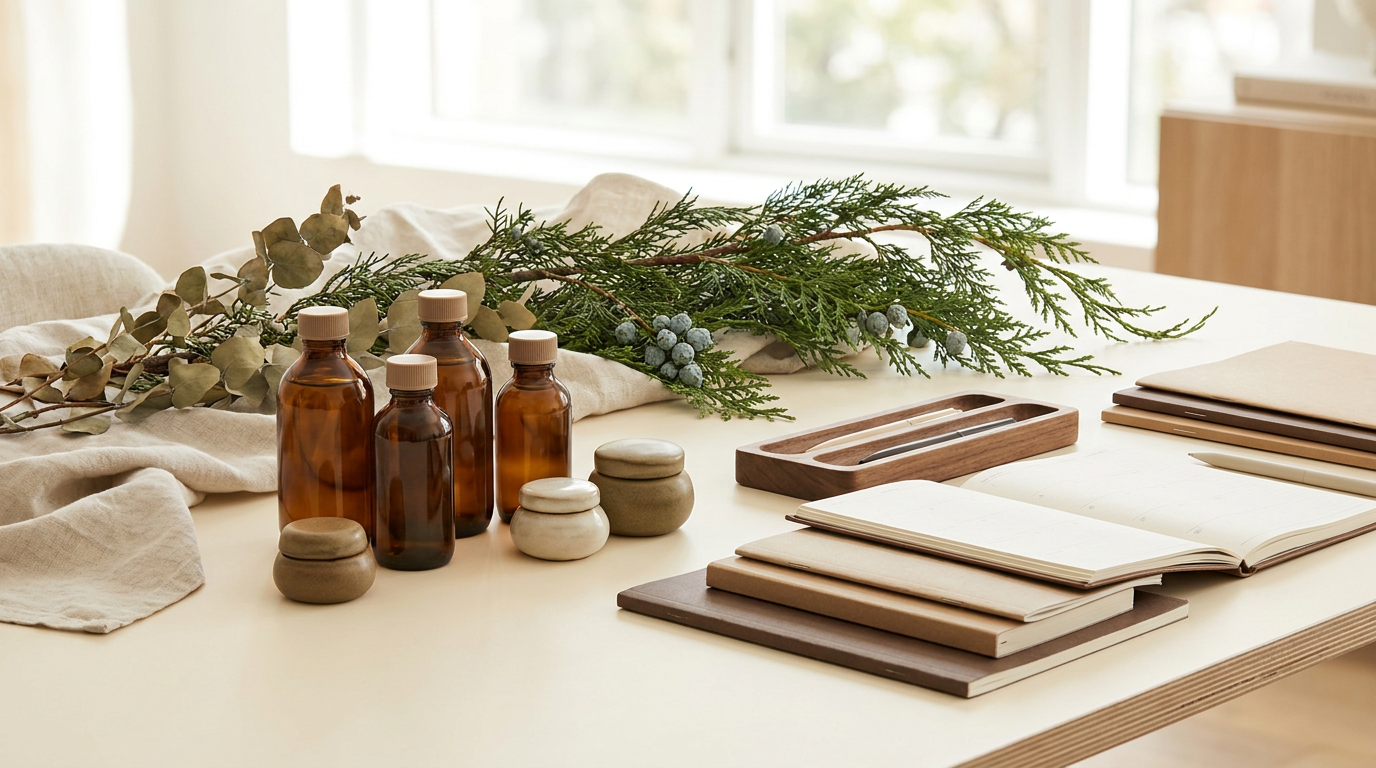
What do Cliganic and VINEVIDA actually say about their cedarwood oils? A friendly look at species, documents and dilution, plus a five-point comparison.
Cedarwood Essential Oil vs Fragrance Oil: Reading Labels
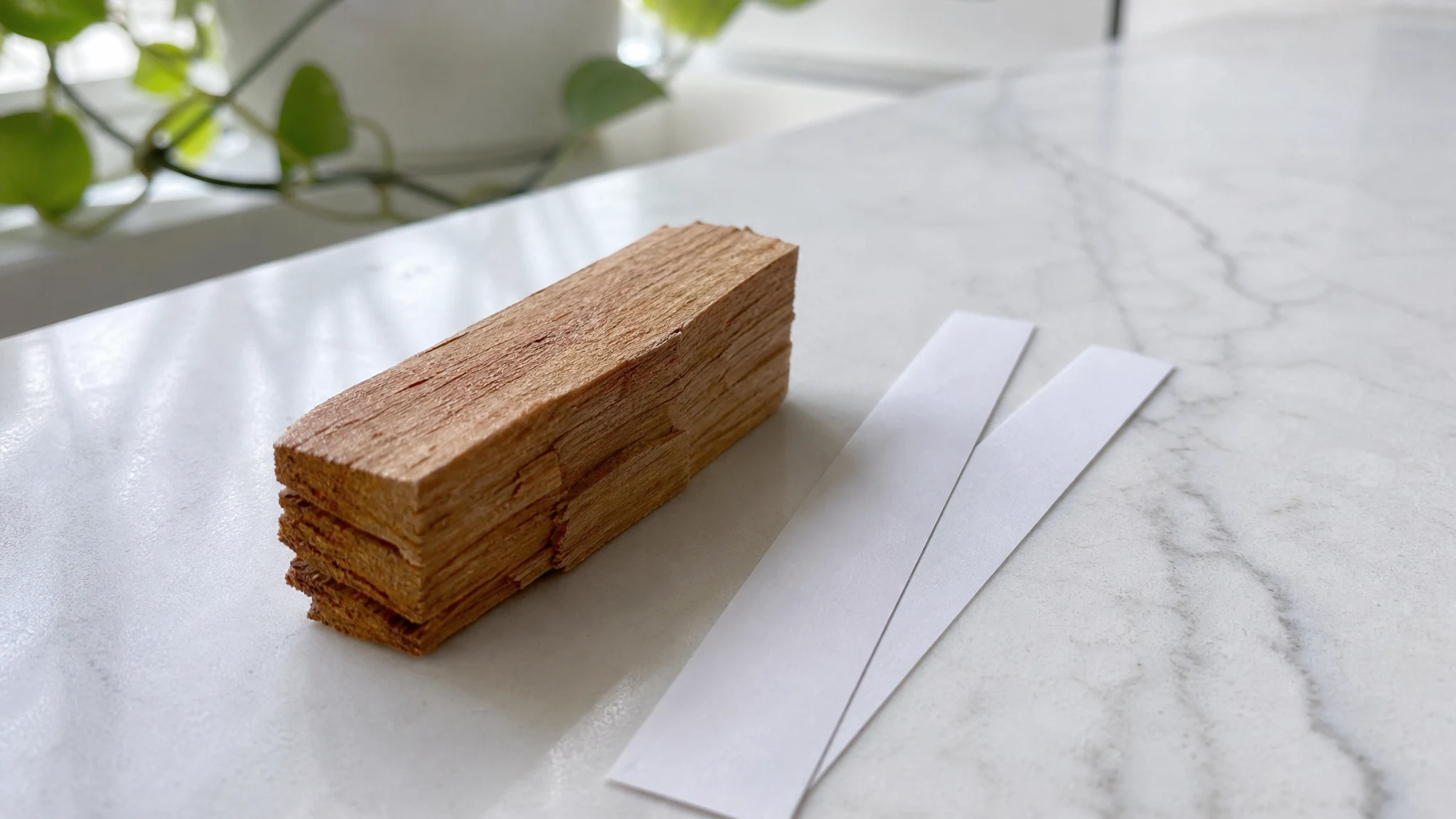
Two bottles can both say cedarwood and be very different things. Learn what labels do and do not reveal, and what a real oil report looks like.

Does Cedarwood Oil Work on Fleas? Evidence and Safety
Plenty of pages say cedarwood oil handles fleas. Flea biology and a poison-center study explain why the answer sits in your vacuum and your vet's advice.

Cedarwood Oil and Ticks: Prevention Steps That Matter
Picture a hike from trailhead to shower. We follow the CDC's tick steps in order, then place a USDA cedarwood study honestly within them.
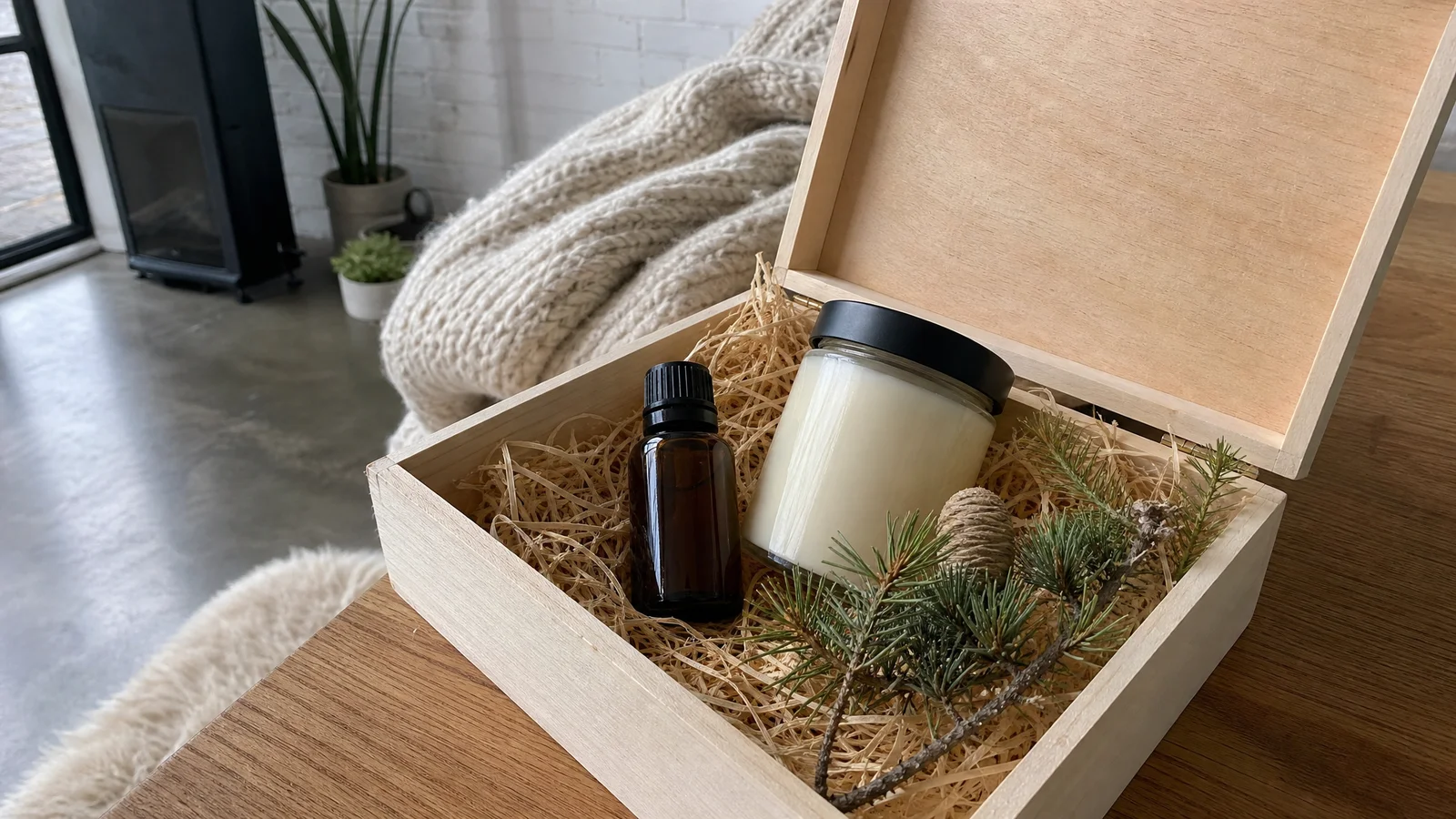
Cedarwood Oil Gift Ideas: Pick the Right Scent
Cedarwood is really four different scents. Match the oil to the person, pair it with a carrier and a care note, and a small bottle makes a lovely gift.