History of Cedar: From Temple Beams to Cedar Chests
Say the word cedar and a picture forms: tall, dark trees on a mountainside, a temple's great beams, the sweet-smelling lid of an old chest. It is one of the most evocative trees in the world, and its story is worth telling carefully, because some of the best-known parts are better as legend than as record.
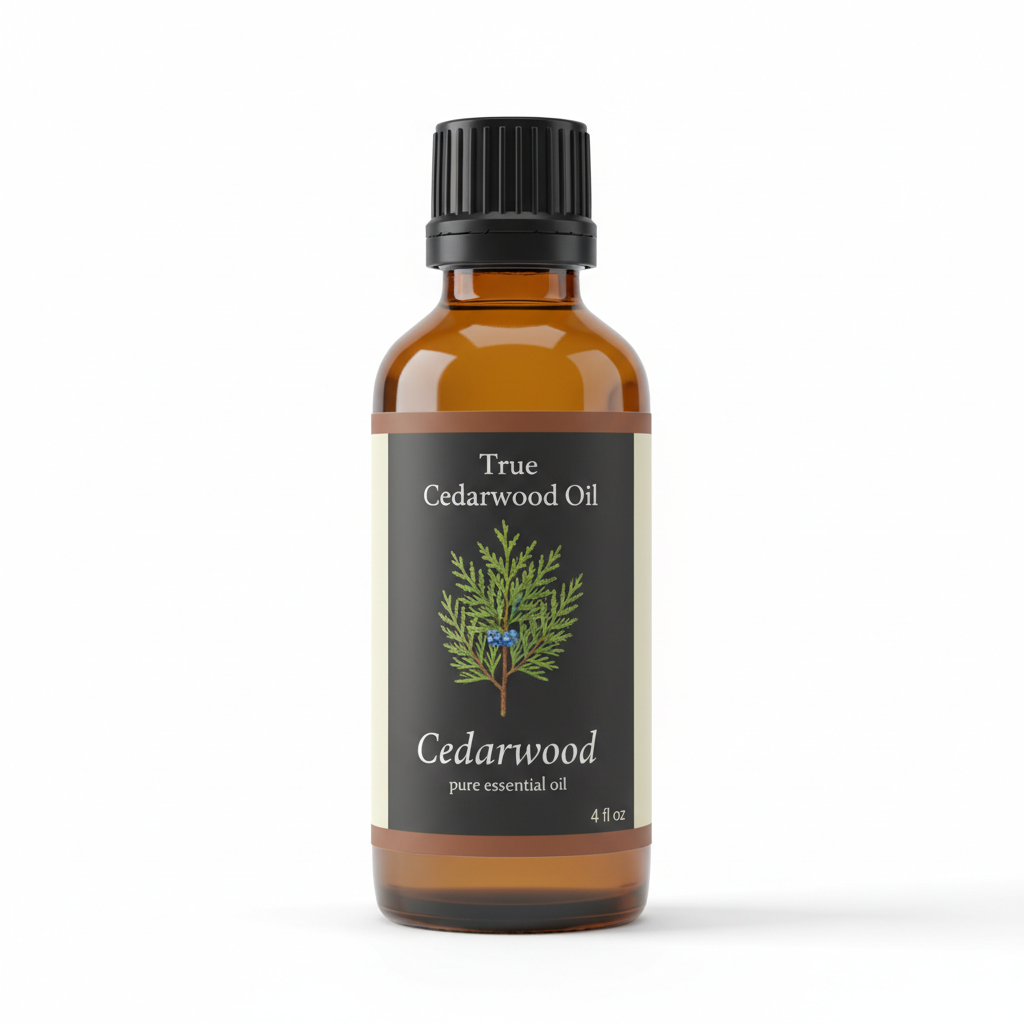
Cedarwood Essential Oil
Our own Cedarwood Essential Oil, in sizes from 0.5 oz to bulk.
From $9.99
Shop Now →A tree that built temples
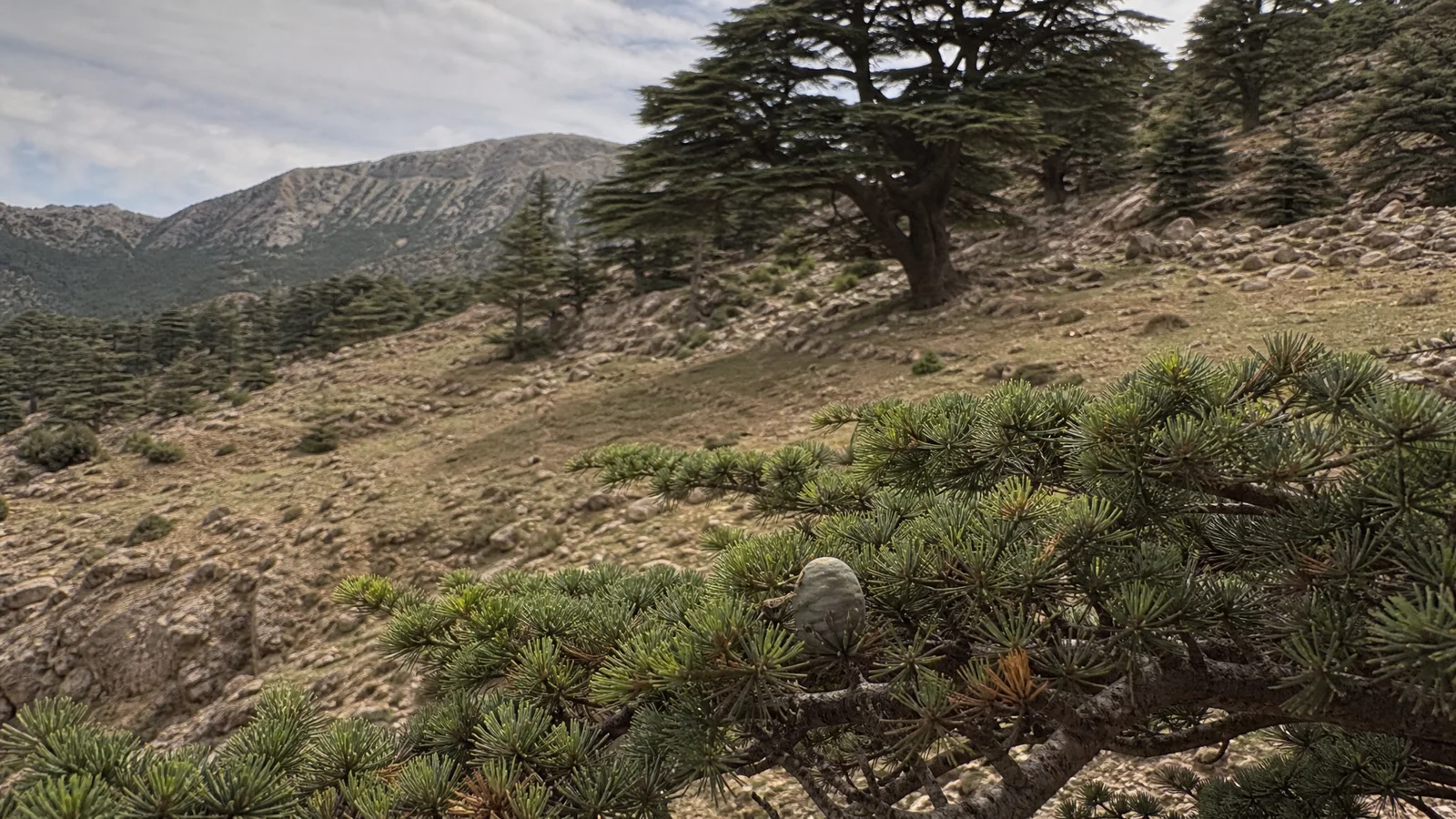
The Lebanon cedar earned its reputation honestly. The Royal Botanic Garden Edinburgh's conifer database notes that its timber was much used for shipbuilding and for the construction of temples. That same history explains why so little is left: only about 5% of the original forest in Lebanon and Syria remains, and the species is listed as Vulnerable. Fire, grazing, building and selective felling all appear among the pressures.
The Atlas cedar, the tree behind our Atlas oil, tells a similar story in North Africa. The same database lists it as Endangered, reports declines of up to 75% in the area it occupies between 1940 and 1982, and puts roughly 80% of its forest in Morocco's Middle Atlas. Logging, fire and goat grazing are its main threats. We find that a good reason to value these woods and to ask any seller where their cedar comes from.
The mystery of Egyptian cedar oil
You will often read that ancient Egyptians embalmed with cedar oil. It is a wonderful image, and it is less settled than it sounds. In 2001, Buckley and Evershed analysed samples from a large set of dated Egyptian mummies. Their abstract notes that the Greek historian Herodotus lists myrrh, cassia, palm wine, “cedar oil” and gum among the embalming materials, and that what “cedar oil” actually meant is still widely disputed.
That small word carries a lot. Ancient writers could use “cedar” for several different conifers, so the substance might have come from a true cedar, a juniper or something else entirely. What we can say is that a Greek writer named it, and that chemistry has not pinned it down. We find the uncertainty rather charming.
One name, many trees
The same looseness continues today. A review published in 2026 lists trees called “cedar” across several genera: true cedars (Cedrus), junipers such as the eastern red cedar, cypresses, thujas and others. Robert Tisserand puts it plainly: there are at least five different cedarwood oils. The review also notes that Atlas cedar oil is frequently adulterated with the cheaper deodar oil.
That is why we are specific about our range. We sell four cedarwood oils: Atlas (Cedrus atlantica) and Himalayan (Cedrus deodara), which are true cedars, and Virginian (Juniperus virginiana) and Texas, which are junipers that carry the cedar name. Each has its own character, and our guide to the cedarwood oil family introduces them side by side, while the Atlas versus Virginian comparison takes the best-known pair.
Why the story keeps pulling people in
Part of cedar's charm is how many places it turns up. A mountain, a temple, a hope chest, a pencil: each is a different door into the same tree family. We enjoy following whichever door a reader is curious about, and the articles linked below are a good place to start.
From mountain forest to closet drawer
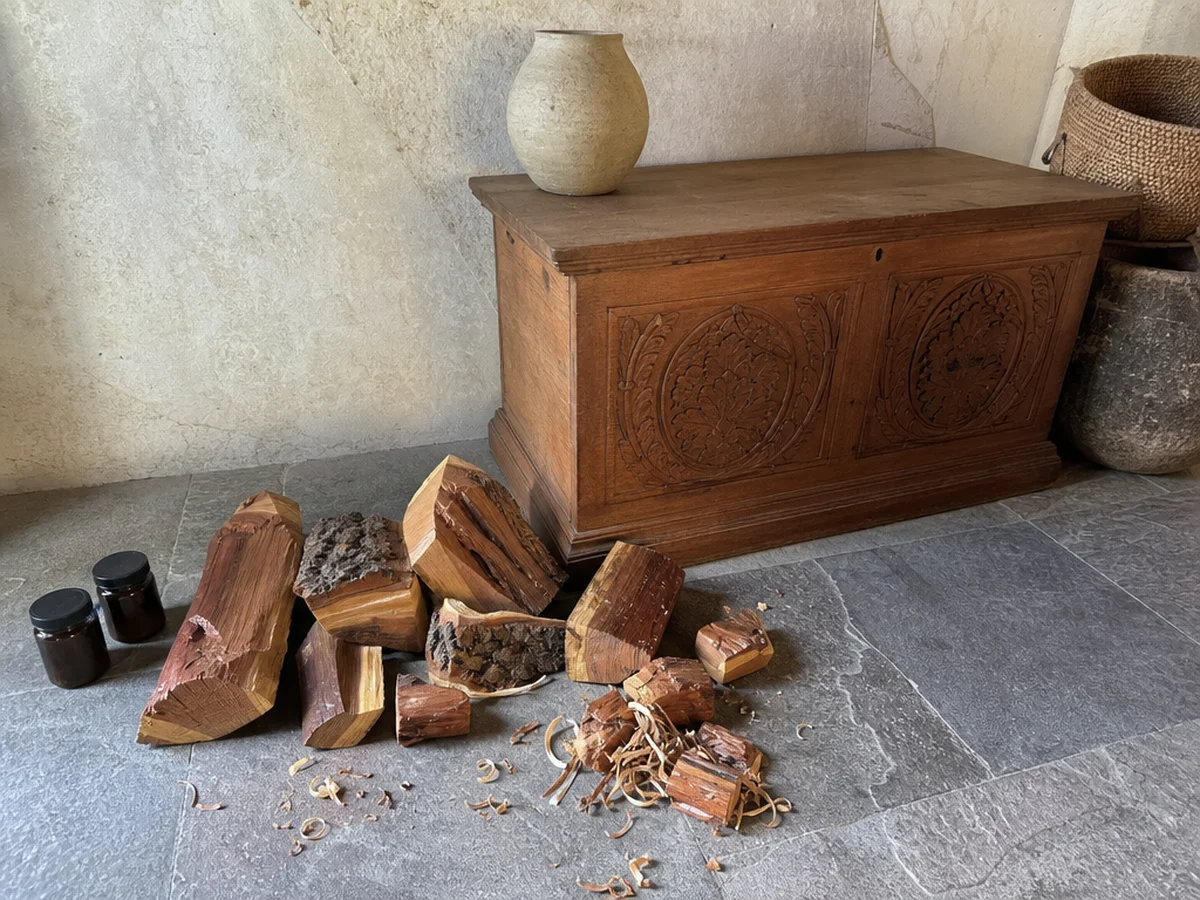
The cedar chest is the part of the story most of us know from real life: the clean, dry, pencil-shaving smell that greets you when you lift a lid. That is the scent of juniper wood, the eastern red cedar, and it is the character we describe in our Virginian oil. Cedar chests have long been associated with keeping clothes, and the idea that the wood protects against moths is a topic with its own evidence; our moth article looks at what extension sources say, and the furniture article shows how a little oil can refresh an old chest.
It is a nice thread to follow: a scent we associate with grandmothers' cabinets and ancient temples is, in the bottle, simply a wood oil with a long and tangled family tree. For the conservation side, our sustainability article compares the records of all four trees.
Lift the lid and take a breath
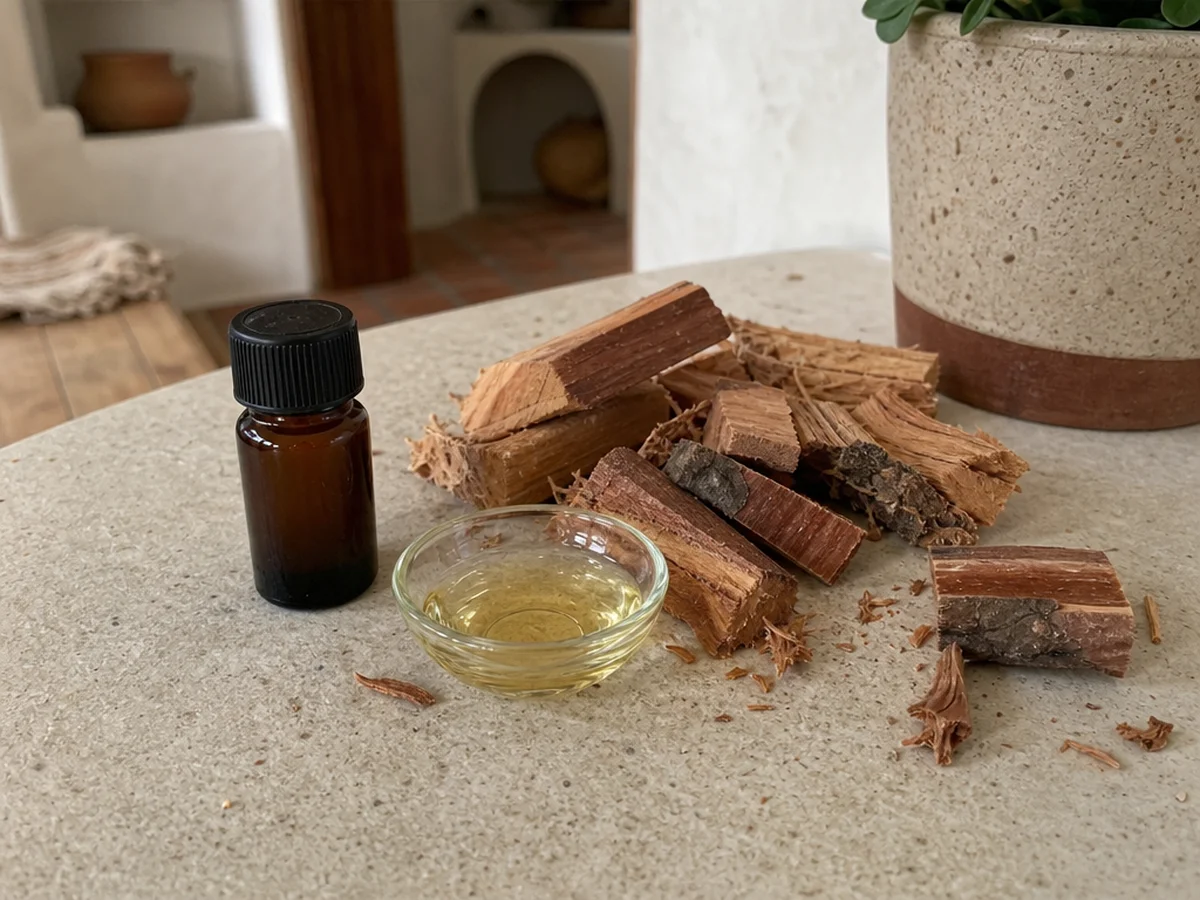
If you have an old cedar chest, a cedar-lined drawer or even a cedar plank somewhere in the house, try this. Lift the lid or open the drawer, bring your face close to the wood and breathe in slowly. You will likely notice a dry, clean, slightly sweet scent that feels familiar even if you have not smelled it in years. Now rub a corner of the wood with your thumb and smell again. Scents like this are memory machines, which may be part of why the tree has such a hold on people.
A story worth holding loosely
We love a good legend, and cedar has plenty of them. Our recommendation is to enjoy them as stories, then check the details when it matters. Which tree, which part, which century? Asking those three small questions turns a charming tale into something you can actually trust, and it keeps the fun in the history.
Reading old claims with a smile
When a product page says cedarwood has been used “since ancient times,” it is worth asking which cedar, and which time. We would rather give you the honest version: the tree has a rich, documented past, the oil's ancient story is partly a mystery, and the Latin name on the label is the best first clue to what you are buying. If provenance or composition matters for your project, ask us in writing through the contact page, and we will tell you what we can document.
Whatever the details of its past, cedar still does what it has always done: it makes a room feel warm, dry and calm.
Cedarwood Essential Oil
Cedarwood Essential Oil from our own shop, in sizes from 0.5 oz to bulk.
From $9.99
Shop Now →Sources & Further Reading
- Organic chemistry of embalming agents in Pharaonic and Graeco-Roman mummies, Buckley and Evershed, Nature, 2001
- Cedrus libani | Threatened Conifers of the World, Royal Botanic Garden Edinburgh
- Cedrus atlantica | Threatened Conifers of the World, Royal Botanic Garden Edinburgh
- Cedarwood Oils: The Wood Essential Oil Compositions from Trees Known as "Cedar", Setzer and Satyal, Plants, 2026
- What's in a name?, Tisserand Institute