True Cedar, Truly
True cedarwood oil comes from the Atlas cedar, Cedrus atlantica, one of the only cedarwood oils distilled from a genuine cedar rather than a juniper or cypress relative. Deep, dry, and quietly sweet, it is the woodworking shop and the mountain forest in one bottle.
Warm a few drops of cedarwood into jojoba or argan oil for a woody beard treatment that lasts through the day.
Explore →Tuck cedarwood-soaked wood blocks or fabric sachets into drawers and closets for a warm, dry woody scent that lingers for weeks.
Explore →Pair cedarwood with citrus or fir in a diffuser blend for a warm, grounded room scent through cooler months.
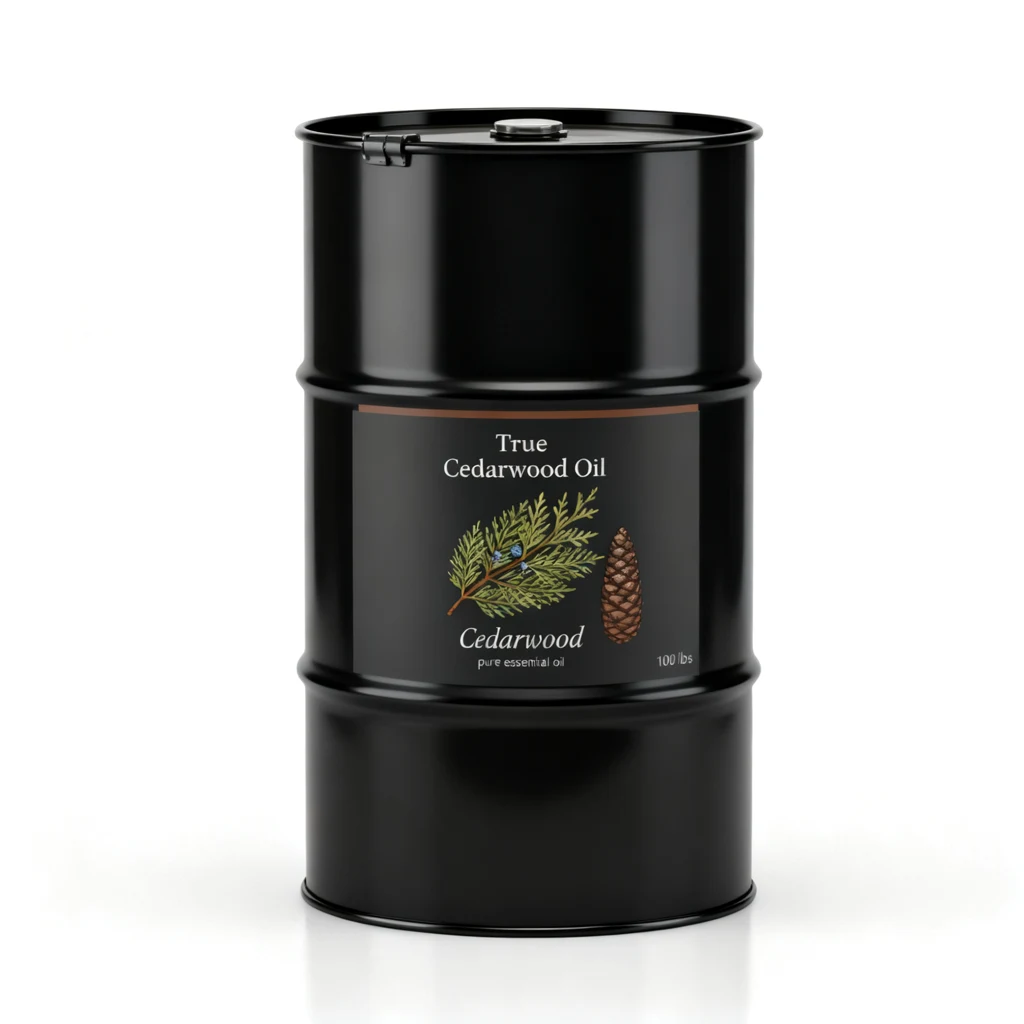
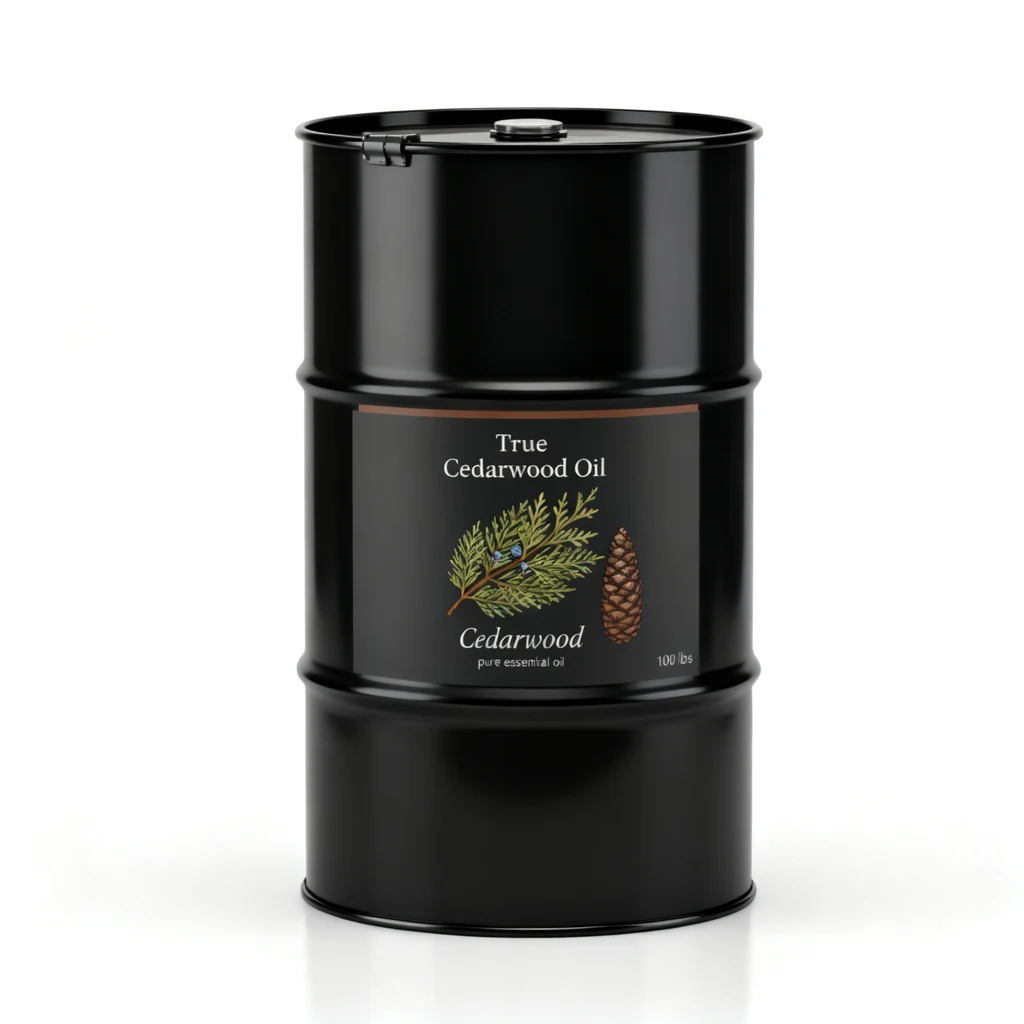
Explore →Order cedarwood oil by the pound for soap, candle, and fragrance production with batch documentation included.
Explore →
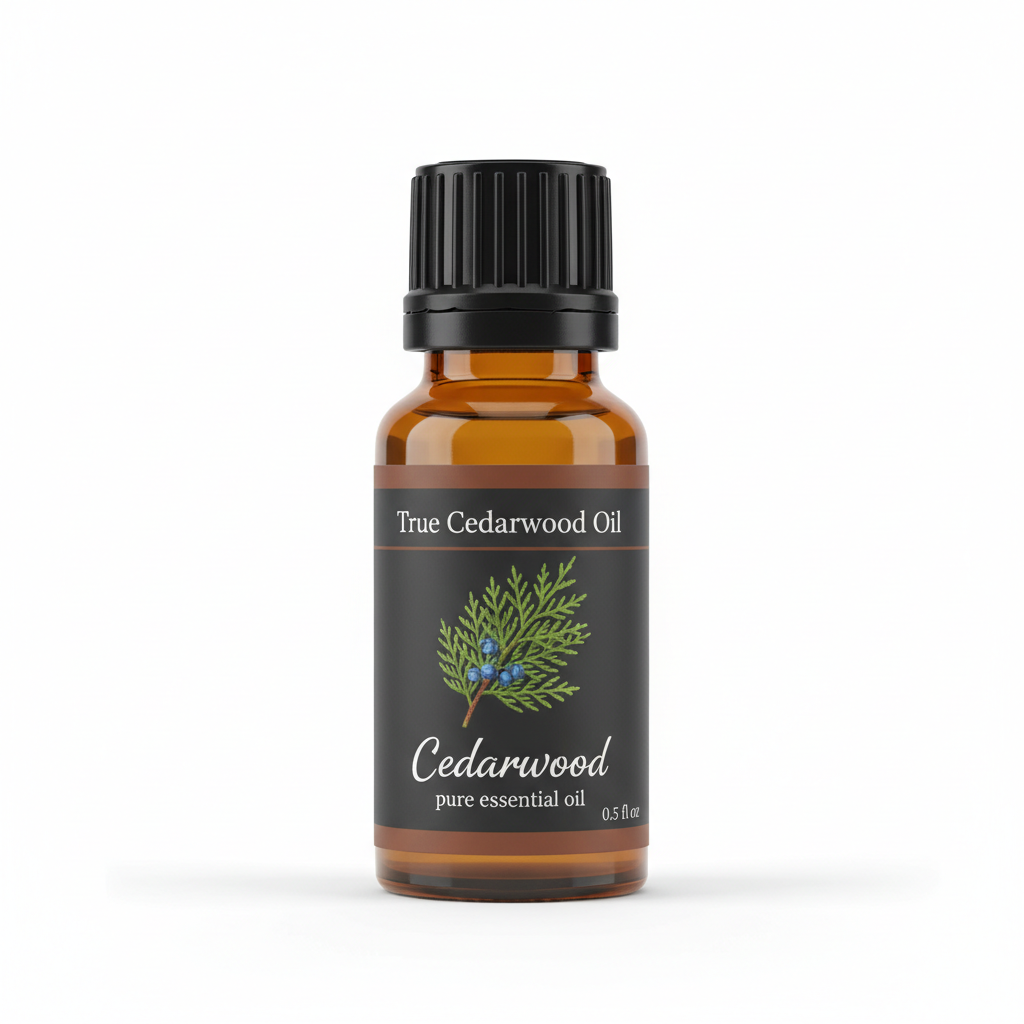
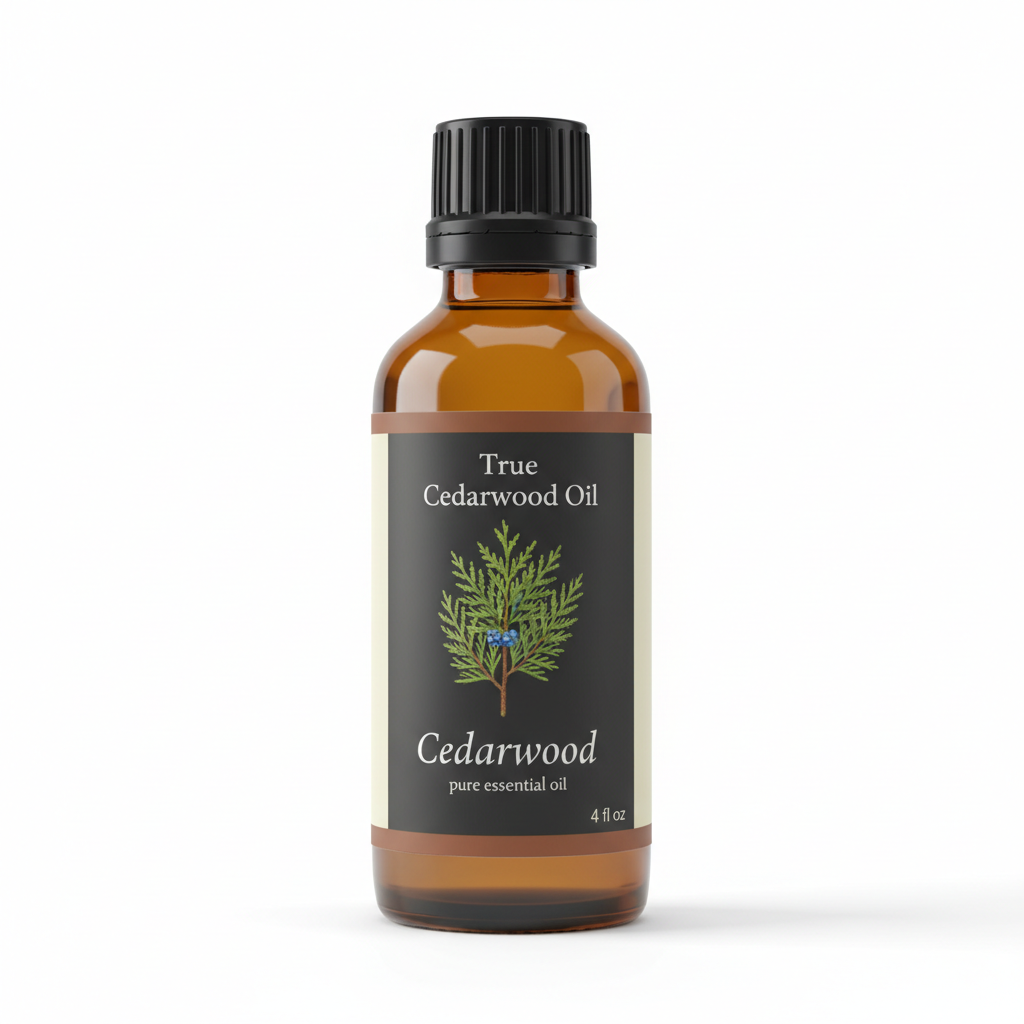
Evaluation Bottle
A small bottle to test cedarwood's dry, woody aroma before committing to a larger blend.
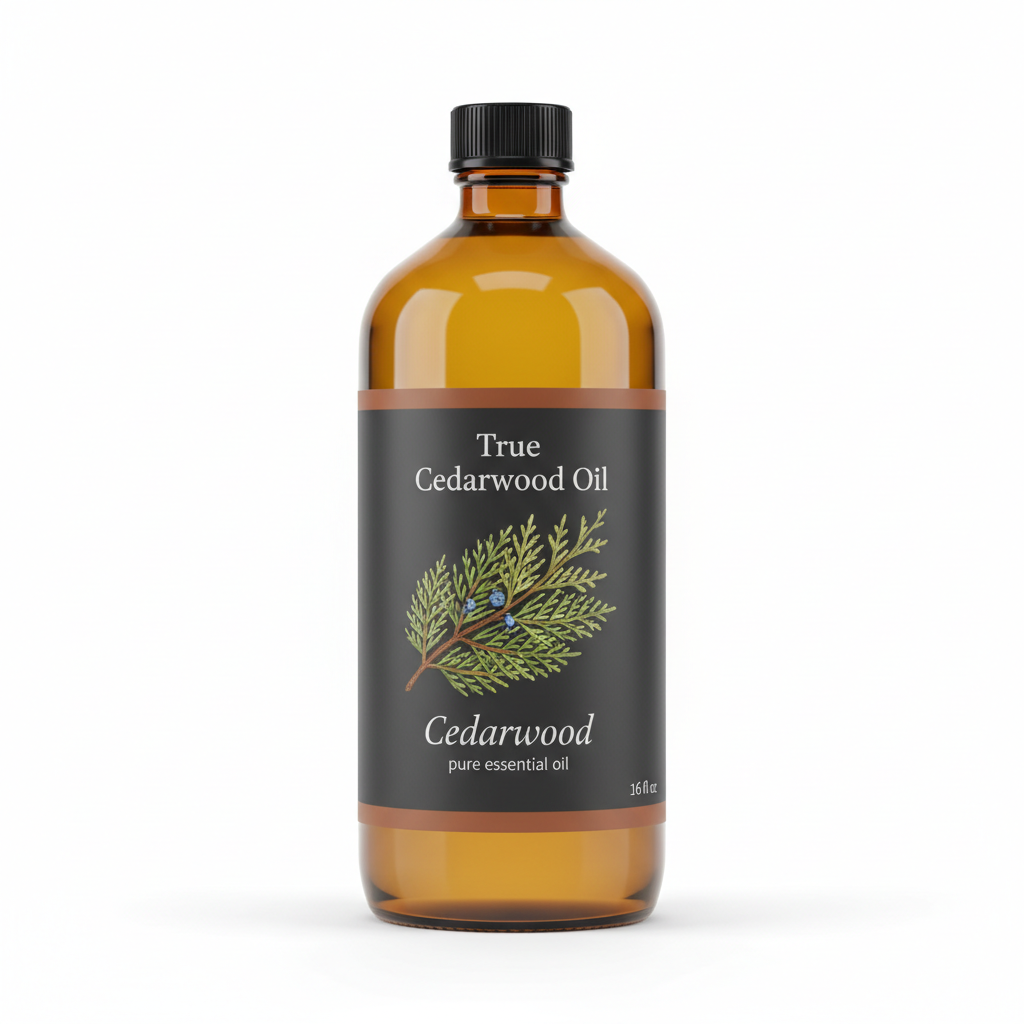
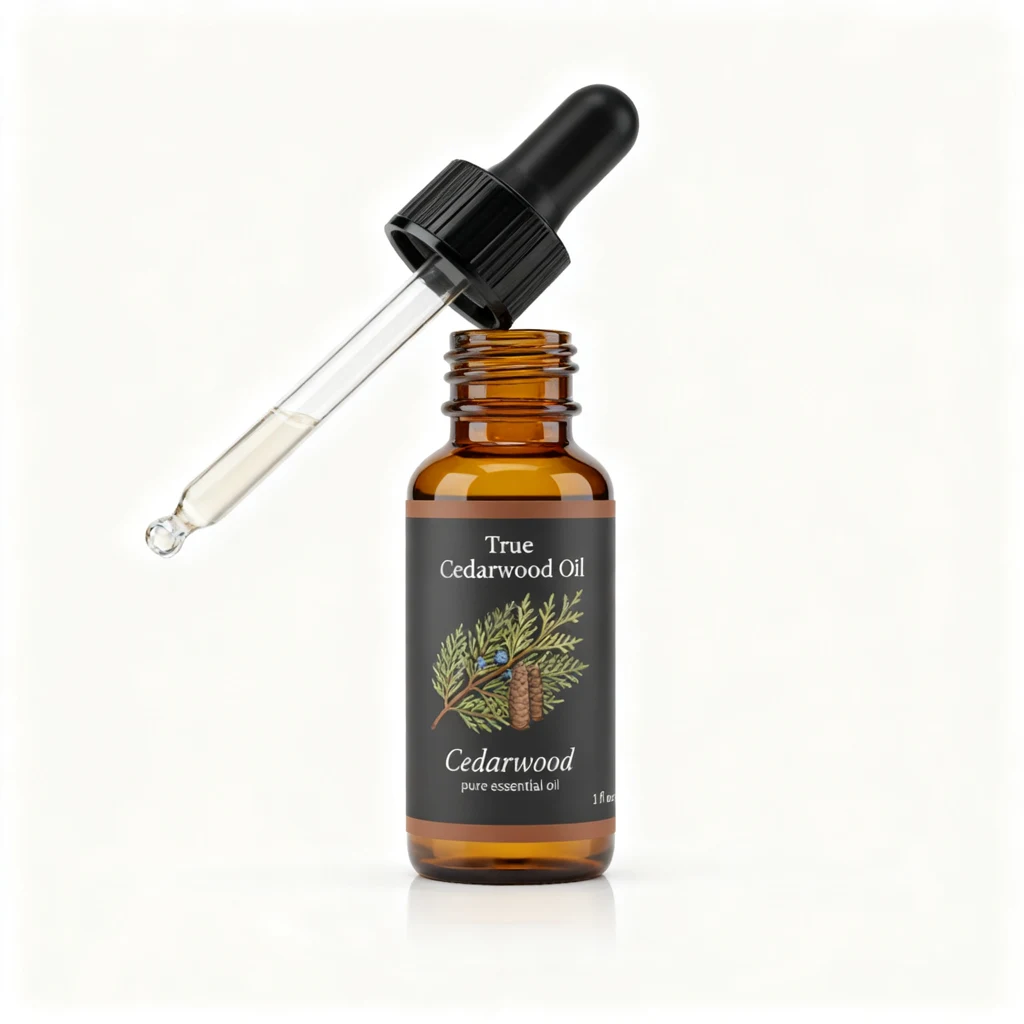
Pilot Batch
Enough cedarwood to test a full beard oil or candle run before scaling to production.
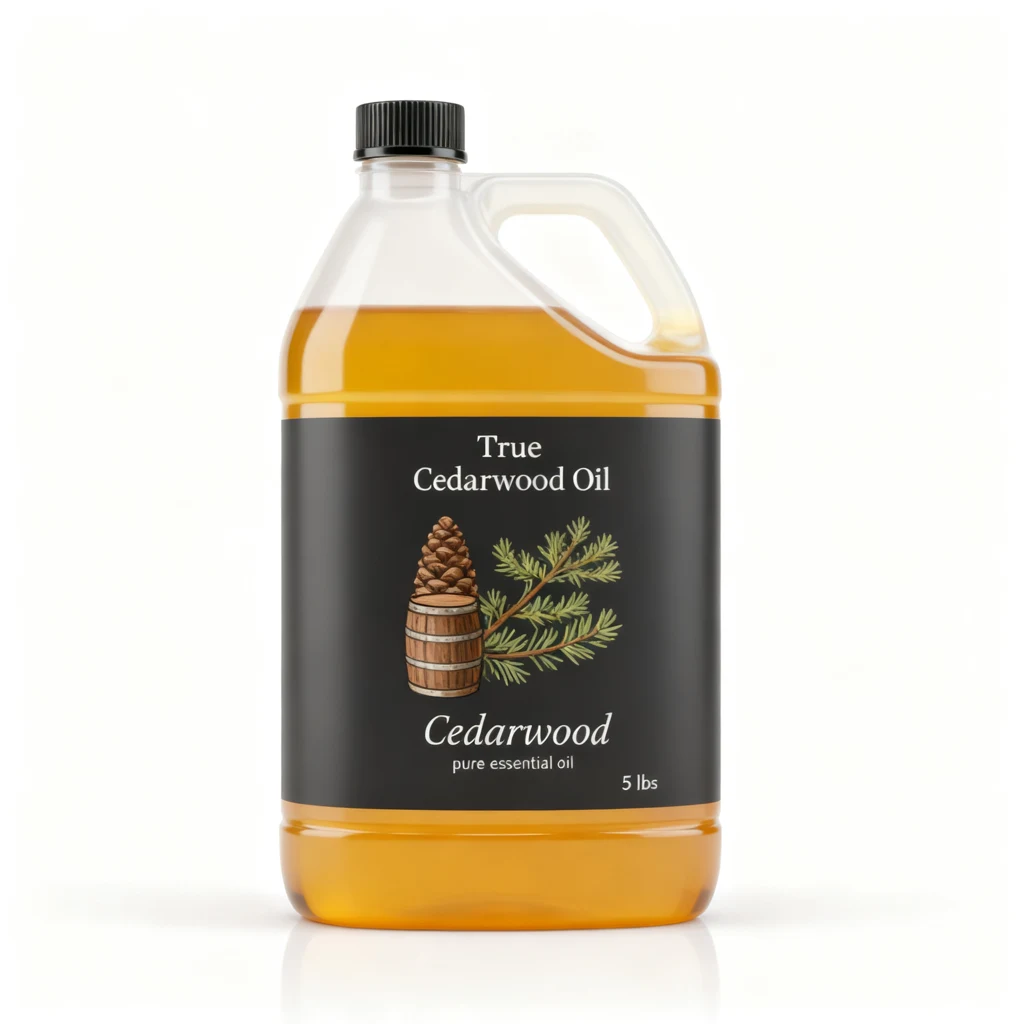
First Production Size
Our first bulk size, priced per ounce below the bottles, for soap houses and candle studios scaling production.
Our cedarwood essential oil is steam-distilled from the wood of Cedrus atlantica, the great Atlas cedar of Morocco's mountains and a botanical sibling of the biblical cedar of Lebanon. Much of the market's cedarwood actually comes from junipers and cypresses, so the distinction is worth naming.
Atlas cedar smells woody and balsamic with a distinctive sweet, slightly animalic warmth that Virginia cedarwood lacks. It works as a tenacious base note and fixative, deepening blends of bergamot, lavender, vetiver, and rose.
Cedarwood earns daily use in beard and hair oils, closet and drawer sachets, masculine-leaning DIY colognes, grounding diffuser blends, and handmade soaps where a dry woody base should linger long after the top notes fade.
Cedarwood pieces from Atlas cedar trees in Morocco are collected as the raw material for distillation.
Wood is sorted and prepared to remove bark and debris before it goes into the still.
Steam passes through the prepared wood, carrying the aromatic compounds into cedarwood essential oil.
Each batch is tested in a lab and the results are published as a certificate of analysis.
The finished oil is bottled and stored to protect its dry, woody, and warmly sweet aroma.
Cedarwood is easy to substitute with cheaper look-alike oils, since Virginia cedarwood and various juniper oils are often sold under the same name. Because of that, we test and publish documentation for the actual Cedrus atlantica batch you are buying.
The current batch's certificate of analysis is published on this site, so you can see for yourself that what ships in the bottle matches the Atlas cedar wood distillation we describe here, not a cheaper substitute.
| Distilled Cedarwood Oil | Synthetic Fragrance Oil | |
|---|---|---|
| Source | Distilled from Cedrus atlantica wood in Morocco | Blended from synthetic aroma chemicals |
| Aroma | Dry, woody, and warmly sweet with natural depth | Approximates woody notes, often flatter or harsher |
| Composition | A single distilled botanical, nothing added | A mixture of manufactured compounds |
| Documentation | Current batch has a published certificate of analysis | No batch-level testing documentation |
| Best for | Natural aromatherapy, soap, and grooming blends | Low-cost, high-volume scented products |
Every bottle comes from Cedrus atlantica, and only that species
The wood is sourced from the Atlas Mountains region of Morocco
Distillation starts from the wood itself, not leaves or bark alone
Steam distillation pulls the aromatic oil straight from the prepared wood
From beard oil to closet sachets, here are hands-on ways makers use true cedarwood oil at home.
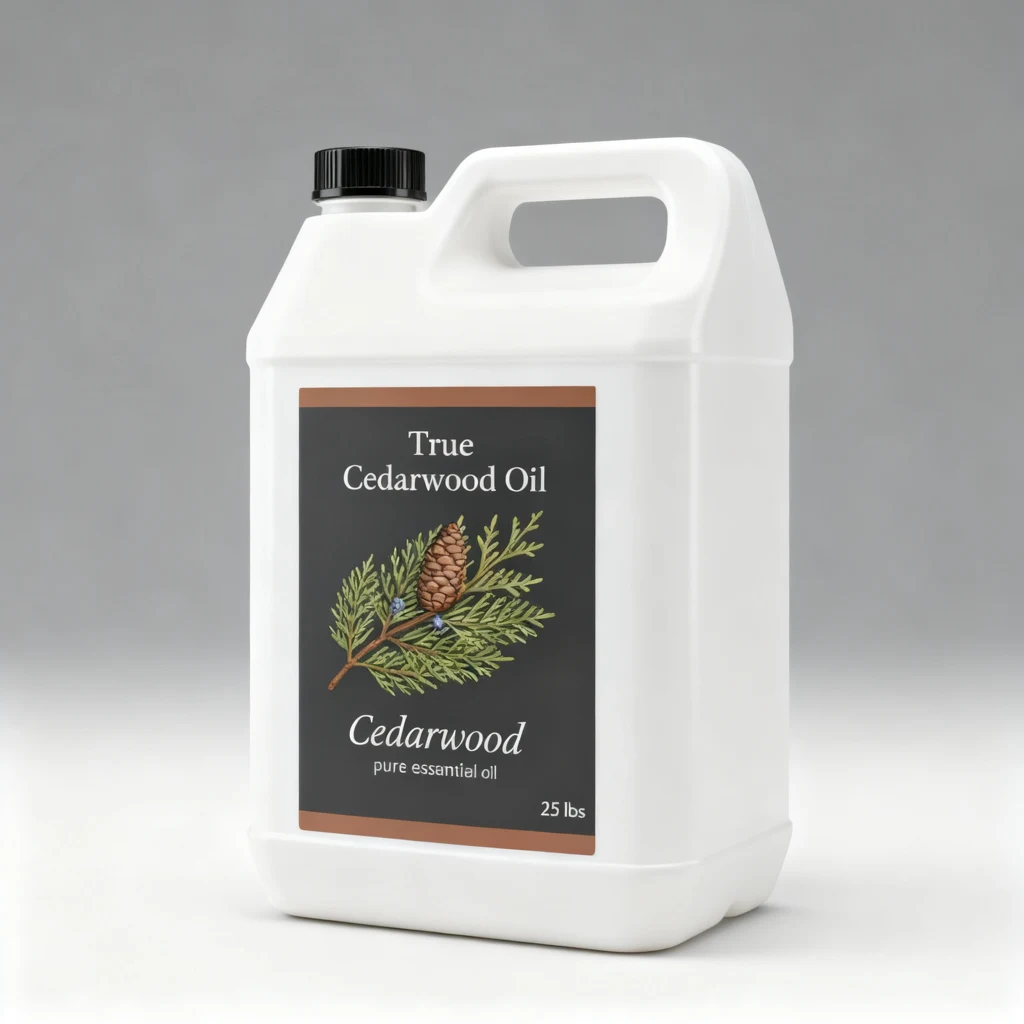
Soap makers, candle studios, and perfumers who build beard oils, colognes, and grounding blends often need cedarwood by the pound rather than the ounce. Our 5, 25, 100, and 400 pound sizes are distilled from the same Cedrus atlantica batches as our smaller bottles, and every size is covered by the same published certificate of analysis.
Cedarwood's dry, woody base rounds out bar soap scents without overpowering botanical blends.
See the guide →Woody, warmly sweet notes hold up well in wax, giving candles a grounded background scent.
See the guide →A tenacious base note and fixative that anchors bergamot, lavender, vetiver, and rose blends.
See the guide →