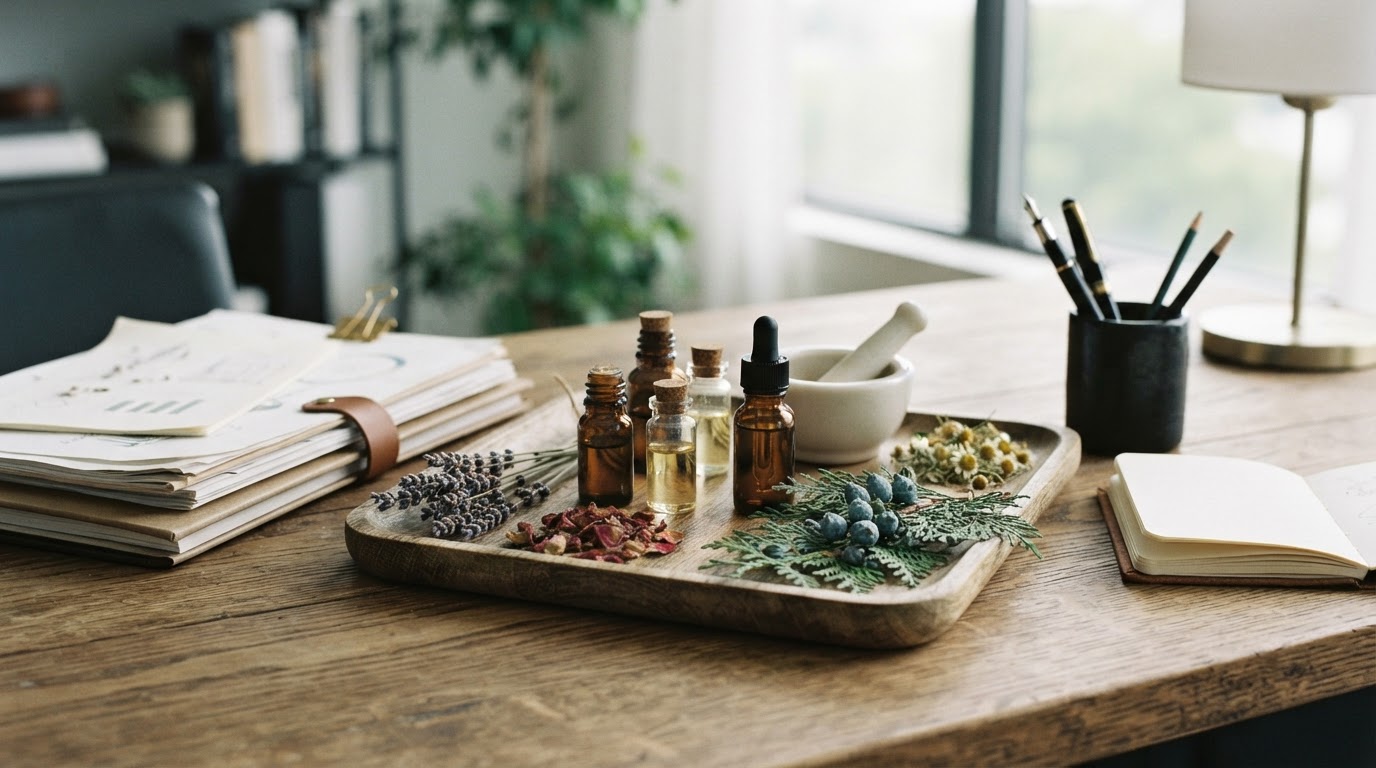
Cedarwood Essential Oil Blends: 12 Woody Pairings That Work
Cedarwood essential oil has a grounding, resinous scent that plays remarkably well with others. Its warm, balsamic base note anchors lighter oils and adds depth to blends that might otherwise feel flat or one-dimensional. Whether you are new to blending or have a full collection of bottles on your shelf, knowing which oils pair naturally with cedarwood can transform your diffuser sessions, personal care rituals, and home fragrance routines.
This guide walks through 12 cedarwood essential oil blends that consistently deliver satisfying results. Each pairing includes scent notes, practical uses, and a simple starting ratio so you can get blending with confidence. For a broader look at how cedarwood fits into daily life, visit our complete guide to cedarwood oil uses.
A Few Notes Before You Blend
Always dilute essential oils properly before applying them to skin. A standard guideline for adults is 2% dilution in a carrier oil, which works out to roughly 12 drops of essential oil per 30 ml (one ounce) of carrier. Perform a patch test on a small area of skin before broader use, and wait 24 hours to check for sensitivity. If you are pregnant, nursing, or managing a health condition, consult a qualified healthcare provider before adding new essential oils to your routine.
For diffuser blends, a total of 6 to 10 drops in a standard 100 ml ultrasonic diffuser is a reliable starting point. Adjust from there based on room size and personal preference.
The 12 Blends
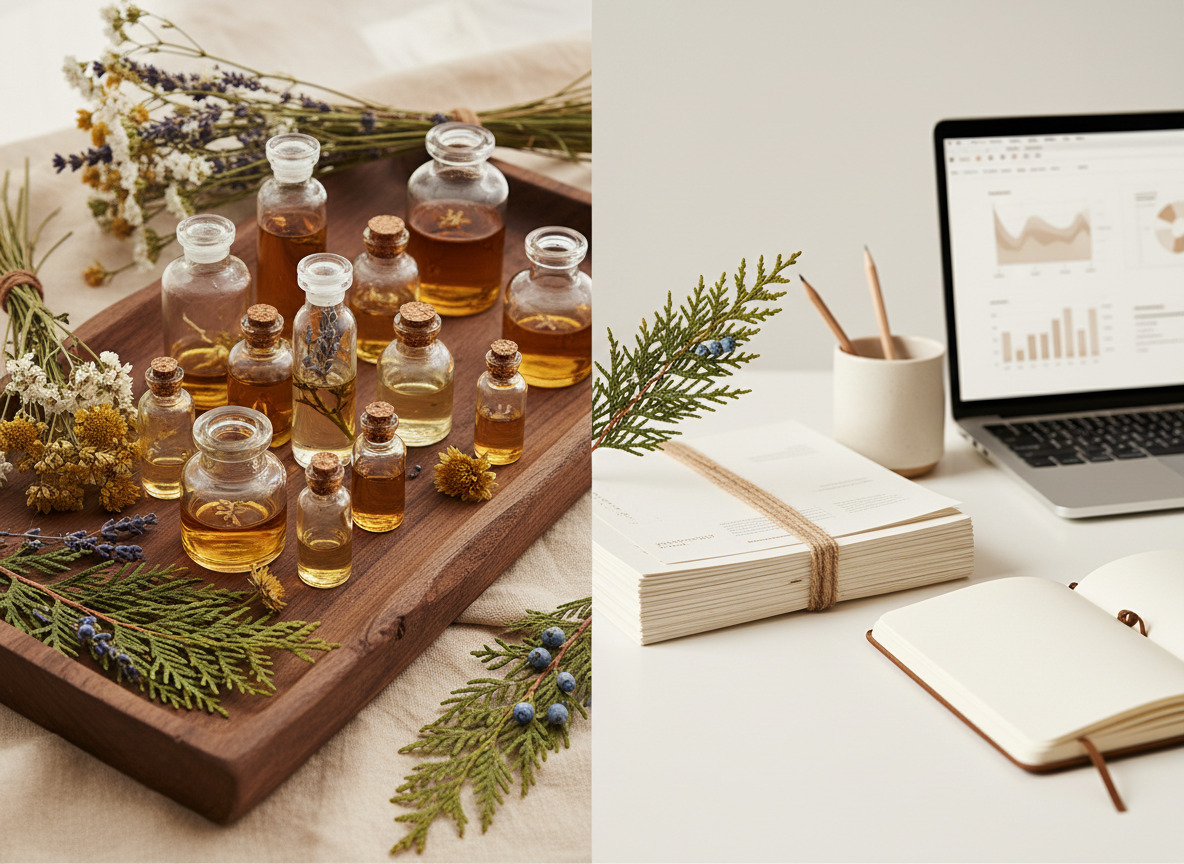
1. Cedarwood and Lavender
This is perhaps the most universally loved of all cedarwood essential oil blends. Lavender brings a soft floral herbaceousness that lifts cedarwood's heavier base, creating a scent profile that feels both cozy and clean. The combination is a staple in bedroom diffuser routines and evening wind-down rituals around the world.
In a carrier oil blend, these two oils pair beautifully for a calming bedtime body lotion or pillow mist. Many people find that the combined scent supports a quieter, more settled atmosphere before sleep. It is a classic for good reason.
Practical takeaway: Try 4 drops cedarwood, 4 drops lavender in your diffuser for a calm evening atmosphere. For a body oil, dilute at 2% in jojoba or sweet almond oil.
2. Cedarwood and Bergamot
Bergamot's citrusy, slightly floral brightness makes it a surprising but highly effective partner for cedarwood. The contrast between bergamot's uplifting top notes and cedarwood's woody base creates a well-rounded blend that works across different moods and settings. It reads as sophisticated without being heavy.
This pairing works especially well in a daytime diffuser blend for a home office or living room. It brings a sense of focused calm to a space without tipping into sleepiness. Some artisan perfumers use a similar accord as the foundation for woody cologne-style blends.
Practical takeaway: Try 3 drops cedarwood, 5 drops bergamot in your diffuser. Note that bergamot can be photosensitizing on skin; choose bergapten-free bergamot for topical use and keep dilution at 1% or below.
3. Cedarwood and Frankincense
Both cedarwood and frankincense have deep roots in ancient ritual and ceremony, and their scents reflect that shared heritage. Frankincense brings a resinous, slightly citrusy complexity that harmonizes seamlessly with cedarwood's drier woodiness. Together, they create a meditative, grounding atmosphere.
This is an excellent woody diffuser blend for mindfulness practices, quiet reading time, or any moment where you want the room to feel still and intentional. The blend also works in a personal inhaler or a few drops on a wool dryer ball for a subtle home fragrance.
Practical takeaway: Blend 4 drops cedarwood with 4 drops frankincense in your diffuser. For a grounding roll-on, combine at 2% dilution in fractionated coconut oil.
4. Cedarwood and Sandalwood
Sandalwood and cedarwood are both wood-derived oils, and layering them creates a rich, multi-dimensional woodiness that feels luxurious. Sandalwood's creamy, milky sweetness rounds out cedarwood's sharper edges, producing a blend that is deeply warm without becoming cloying.
This pairing is popular in high-end natural perfumery and skin care. In a facial serum or body oil, the combination may offer a lovely sensory experience as part of a daily grooming ritual. Both oils blend well with carrier oils like rosehip or argan.
Practical takeaway: Use 4 drops cedarwood and 3 drops sandalwood in a diffuser for an evening ritual blend. For skin use, blend at 2% dilution and patch test, as sandalwood can occasionally cause sensitivity.
5. Cedarwood and Vetiver
If you enjoy deep, earthy, smoky scents, this blend will become a fast favorite. Vetiver is extracted from the roots of a grass native to South Asia and carries a rich, soil-like complexity that cedarwood amplifies beautifully. The result is one of the most grounding woody diffuser blends you can create at home.
Because vetiver is a thick, viscous oil, it can be slow to dispense from a bottle. Warming the bottle briefly in your hands helps. Use vetiver sparingly since it is potent; a little goes a long way when layered with cedarwood.
Practical takeaway: Try 5 drops cedarwood with just 2 drops vetiver. The ratio is intentionally cedarwood-heavy because vetiver is assertive. Adjust up by one drop at a time if you want more depth.
6. Cedarwood and Rosemary
Rosemary's sharp, herbaceous, slightly camphorous character cuts through cedarwood's density in the best possible way. The pairing feels invigorating and clean, making it a solid choice for a morning diffuser blend or a daytime pick-me-up in a workspace.
This combination also has real appeal for hair and scalp rituals. Both oils are popular in hair care formulations, and combining them in a carrier oil for a scalp massage can make for a wonderfully aromatic grooming experience. Learn more in our guide to cedarwood oil for hair and scalp massage.
Practical takeaway: Blend 4 drops cedarwood with 4 drops rosemary for a focused, forest-fresh diffuser blend. For a scalp oil, dilute at 2% in castor or jojoba carrier oil. Rosemary is generally not recommended during pregnancy.
7. Cedarwood and Orange (Sweet)
Sweet orange brings a bright, juicy cheerfulness that keeps cedarwood from feeling too serious. This is a crowd-pleasing blend, one that tends to get positive comments from guests and family members who might not usually notice the diffuser. The citrus-and-wood accord is familiar, approachable, and genuinely pleasant.
This blend works across seasons. In winter it feels cozy and festive; in summer it feels fresh and lively. It is also a good introductory blend for anyone just beginning to explore cedarwood essential oil blends, because the orange component is so universally appealing.
Practical takeaway: Try 3 drops cedarwood and 5 drops sweet orange. Sweet orange is generally considered a low-sensitivity oil, though cold-pressed versions can be mildly photosensitizing on skin. Stick to steam-distilled orange for topical blends.
8. Cedarwood and Clary Sage
Clary sage has a distinctly herbal, slightly nutty, almost musky scent that pairs with cedarwood in a way that feels earthy and sophisticated. This is a less common pairing, but blenders who discover it often become devoted fans. The combination has a natural, forest-floor quality that is hard to replicate with other oils.
In personal fragrance blends, clary sage and cedarwood form a compelling base for more complex accords. Adding a small amount of a floral oil like ylang ylang or geranium creates a full-bodied natural perfume that lasts well throughout the day.
Practical takeaway: Blend 4 drops cedarwood with 3 drops clary sage in your diffuser. Clary sage is generally not recommended during pregnancy; consult a healthcare provider before topical use if relevant.
9. Cedarwood and Patchouli
Patchouli is polarizing, but those who love it find that cedarwood is one of its best companions. Cedarwood tempers patchouli's heavier, sometimes fermented quality, while patchouli deepens cedarwood's sweetness. The result is a blend that is rich and complex without being overwhelming.
This combination is a natural for woody diffuser blends that double as personal fragrance experiments. It also performs well in homemade candle or reed diffuser formulations where a longer scent throw is desired. Start with a higher cedarwood ratio and increase patchouli gradually.
Practical takeaway: Begin with 5 drops cedarwood and 2 drops patchouli. Patchouli is a deeply base-heavy oil; even a single extra drop can shift the whole blend. Build slowly.
10. Cedarwood and Eucalyptus
This pairing creates a crisp, cool, forest-in-the-rain type of scent that feels refreshing and airy. Eucalyptus contributes a sharp, menthol-adjacent clarity that opens up cedarwood's woodiness rather than competing with it. The blend is particularly popular in home diffuser routines during cooler months.
From an aromatic standpoint, this is one of the most invigorating cedarwood blends on the list. It works well in a bathroom or entryway diffuser where a clean, outdoorsy atmosphere is the goal. The combination also translates into a pleasant room spray when diluted in distilled water with a small amount of alcohol as an emulsifier.
Practical takeaway: Use 4 drops cedarwood with 4 drops eucalyptus globulus or radiata. Eucalyptus is generally not recommended for use around young children under 10; check current safety guidelines before diffusing in shared family spaces.
11. Cedarwood and Ylang Ylang
Ylang ylang brings a heady, tropical floral note that might seem like an unlikely match for cedarwood. In practice, cedarwood acts as a grounding anchor that prevents ylang ylang from becoming too sweet or cloying. The combination reads as a warm, exotic floral-wood accord with genuine staying power.
This blend is particularly popular for personal care applications. In a moisturizing body oil or hair serum, the scent combination feels indulgent and spa-like. It also performs well as a base for more elaborate natural perfume experiments. For more ideas on incorporating cedarwood into a rounded aromatherapy practice, see our guide to cedarwood in the diffuser.
Practical takeaway: Try 5 drops cedarwood with just 2 drops ylang ylang. Ylang ylang is potent and can cause headaches at higher concentrations. Keep usage low and ensure the room is well-ventilated during diffusion.
12. Cedarwood, Pine, and Juniper Berry
Saving the most layered blend for last: this trio is an all-wood-and-forest accord that captures the scent of a dense coniferous forest in a few small drops. Pine brings a sharp, resinous brightness; juniper berry adds a crisp, berry-like sparkle; and cedarwood holds everything together with its deep, dry woodiness.
This blend works best in a diffuser or room spray rather than directly on skin, simply because it has a bold presence that can feel overpowering in close contact. It is ideal for large living spaces, entryways, or during the winter holiday season when a natural evergreen scent sets a welcoming tone. This is the kind of blend that makes visitors ask, "What is that smell?" in the best possible way.
Practical takeaway: Blend 3 drops cedarwood, 3 drops pine, and 2 drops juniper berry. Adjust pine up or down depending on how sharp you want the top note. Juniper berry is generally not recommended during pregnancy or for people with kidney sensitivities; consult a healthcare provider if uncertain.
Building Your Blending Practice
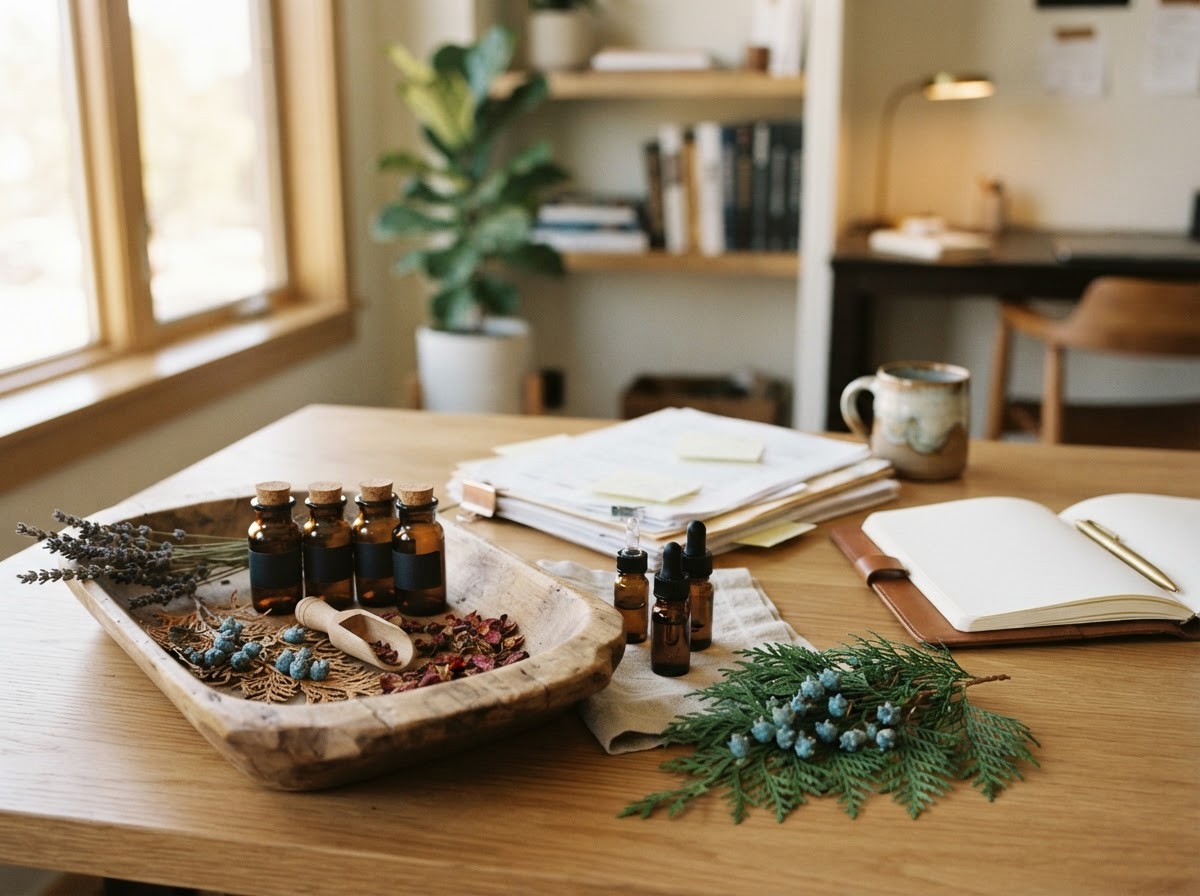
Good blending is mostly about patience and small adjustments. Start with established ratios, keep notes on what you change, and give each new combination a few days before deciding whether it works for your space and preferences. Cedarwood essential oil blends well with an unusually wide range of scent families: citrus, floral, resinous, herbal, and earthy oils all find common ground with its warm wood character.
A simple practice is to hold two open bottles near your nose at once, without mixing them, to get a preliminary sense of how they interact. This saves oil and helps you build an intuitive understanding of scent relationships over time.
Keep your blends stored in dark glass bottles away from heat and sunlight, and label each one with the date and formula. Most blends made for diffuser use do not have a strict expiration, but blends made in a carrier oil should be used within the shelf life of the carrier (often 6 to 12 months for lighter oils like jojoba).
For a comprehensive look at all the ways cedarwood fits into home and personal care routines, explore our complete cedarwood oil uses guide. There is a lot of ground to cover, and these 12 blends are just the beginning.