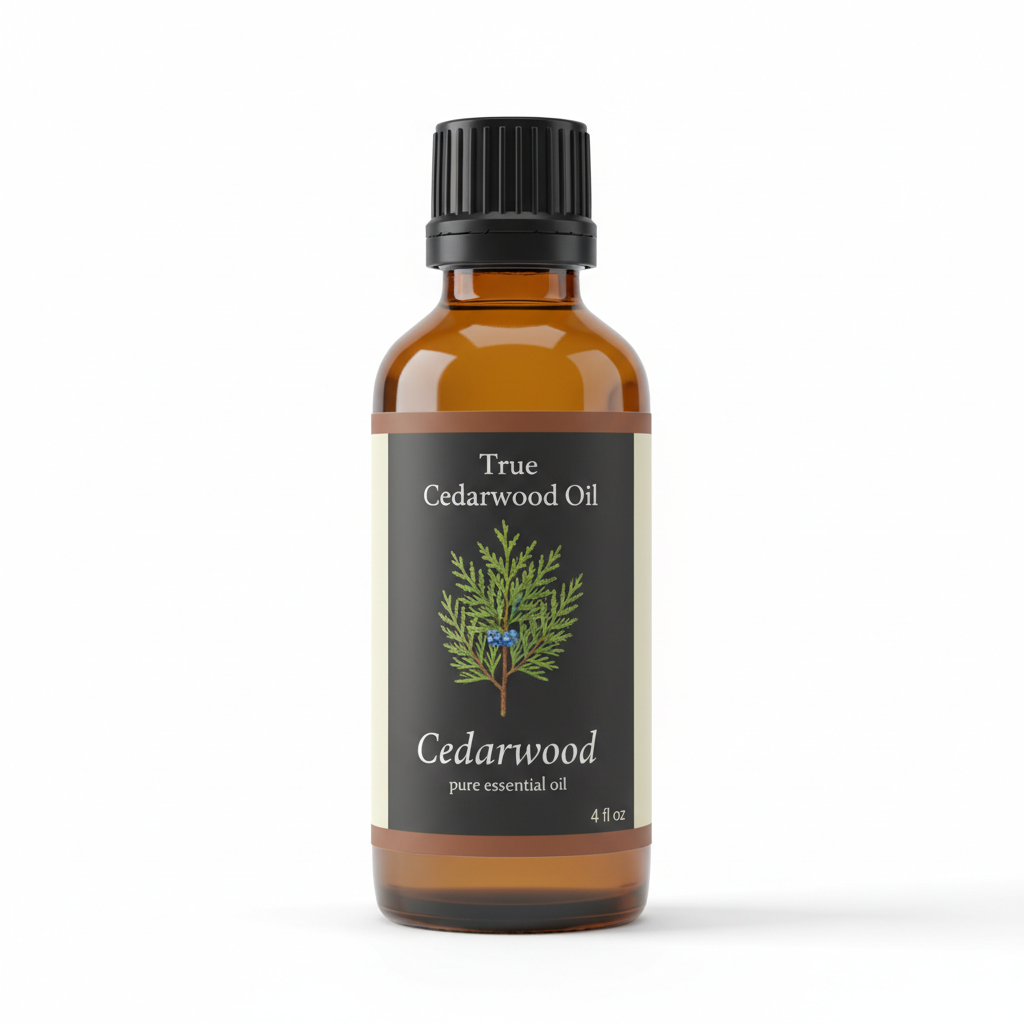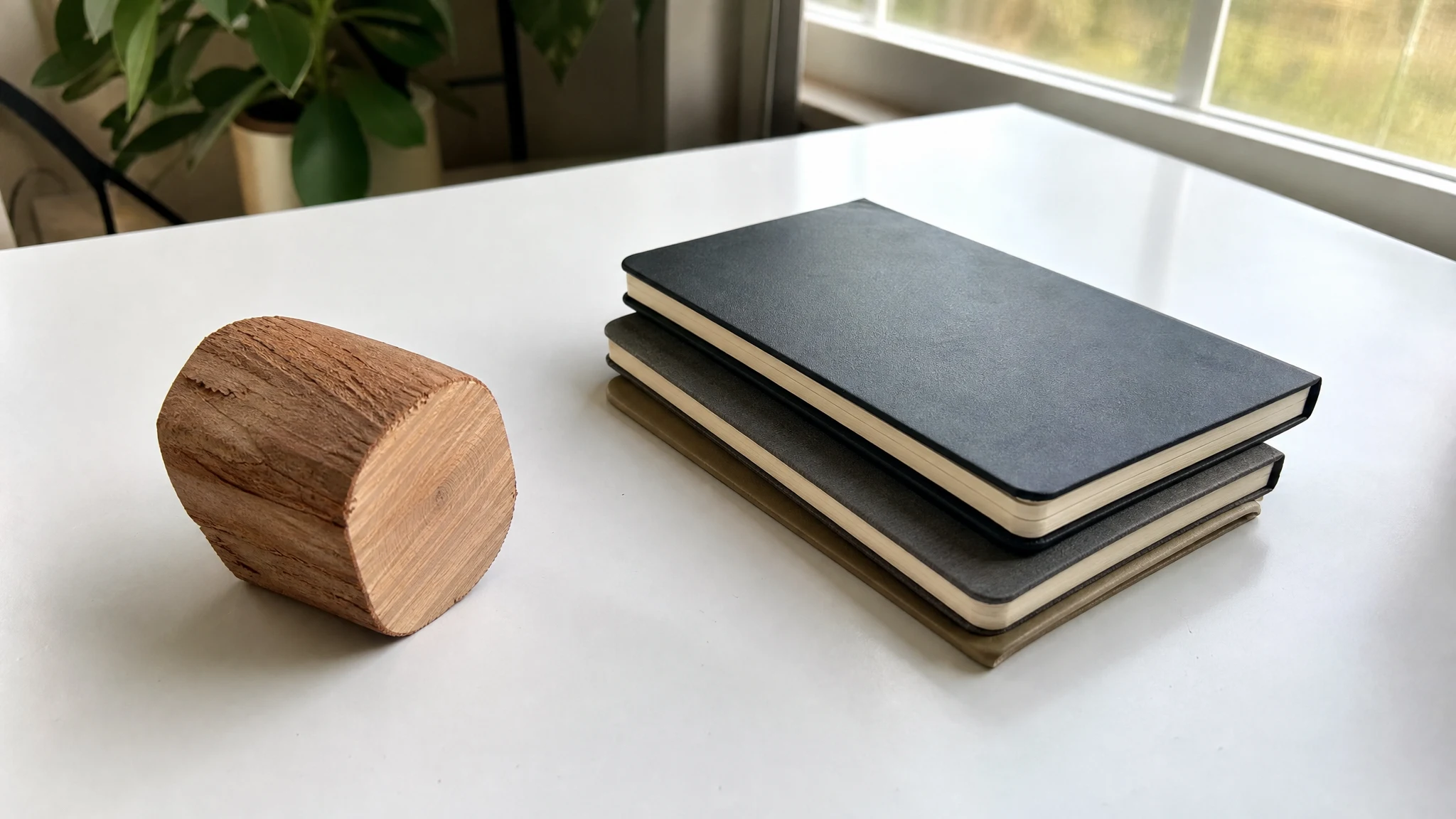
Cedarwood Oil Benefits: Why Scent Comes First
Cedarwood oil is a joy for its warm, woody scent. Here is a friendly tour of what research on it covers, and how we suggest enjoying it.
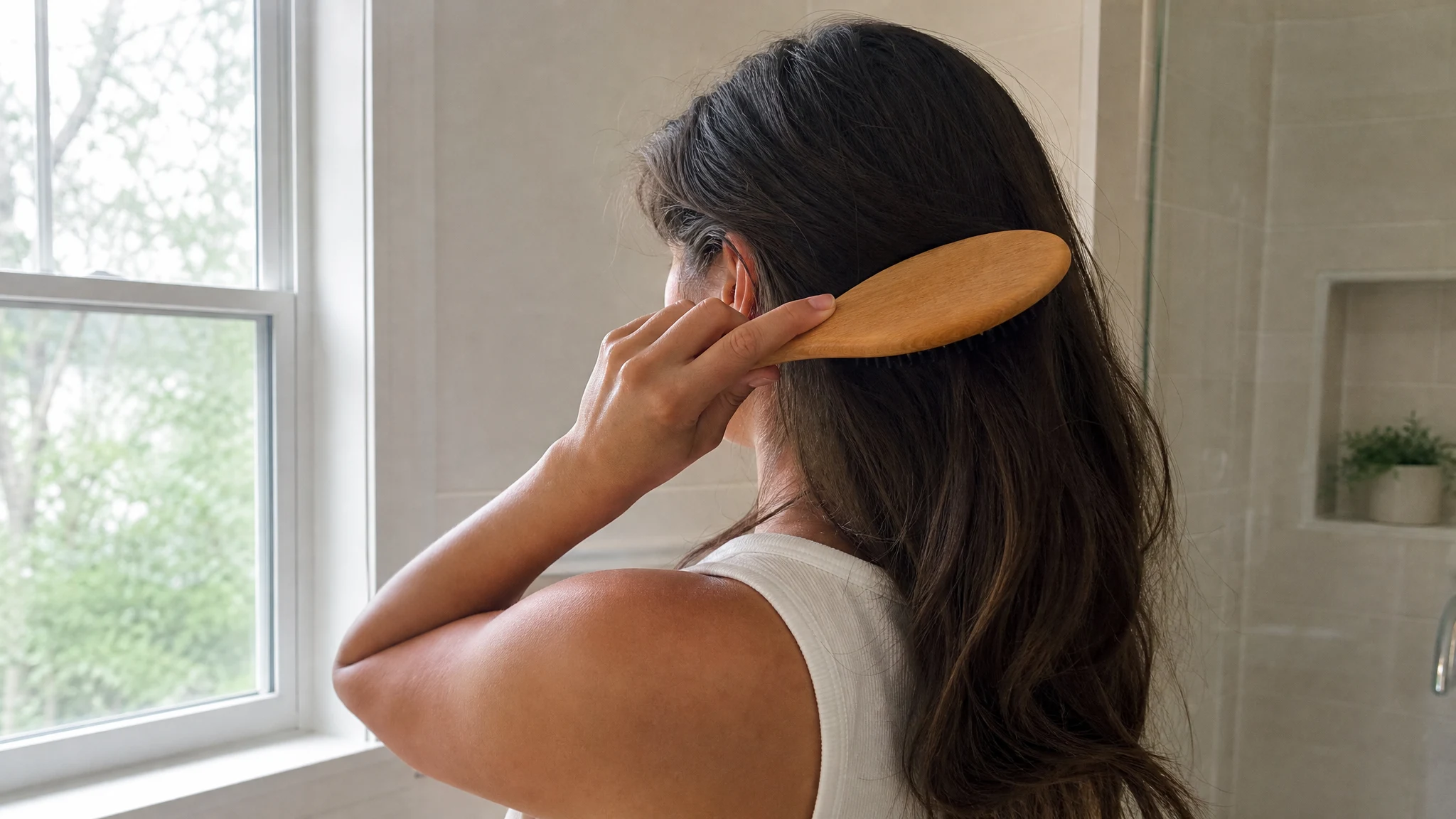
Cedarwood Hair Claims: What the 1998 Scalp Trial Tested
Product pages quote a 44 percent figure from a 1998 trial of four oils. What was tested, who took part and why it is not a cedarwood result.
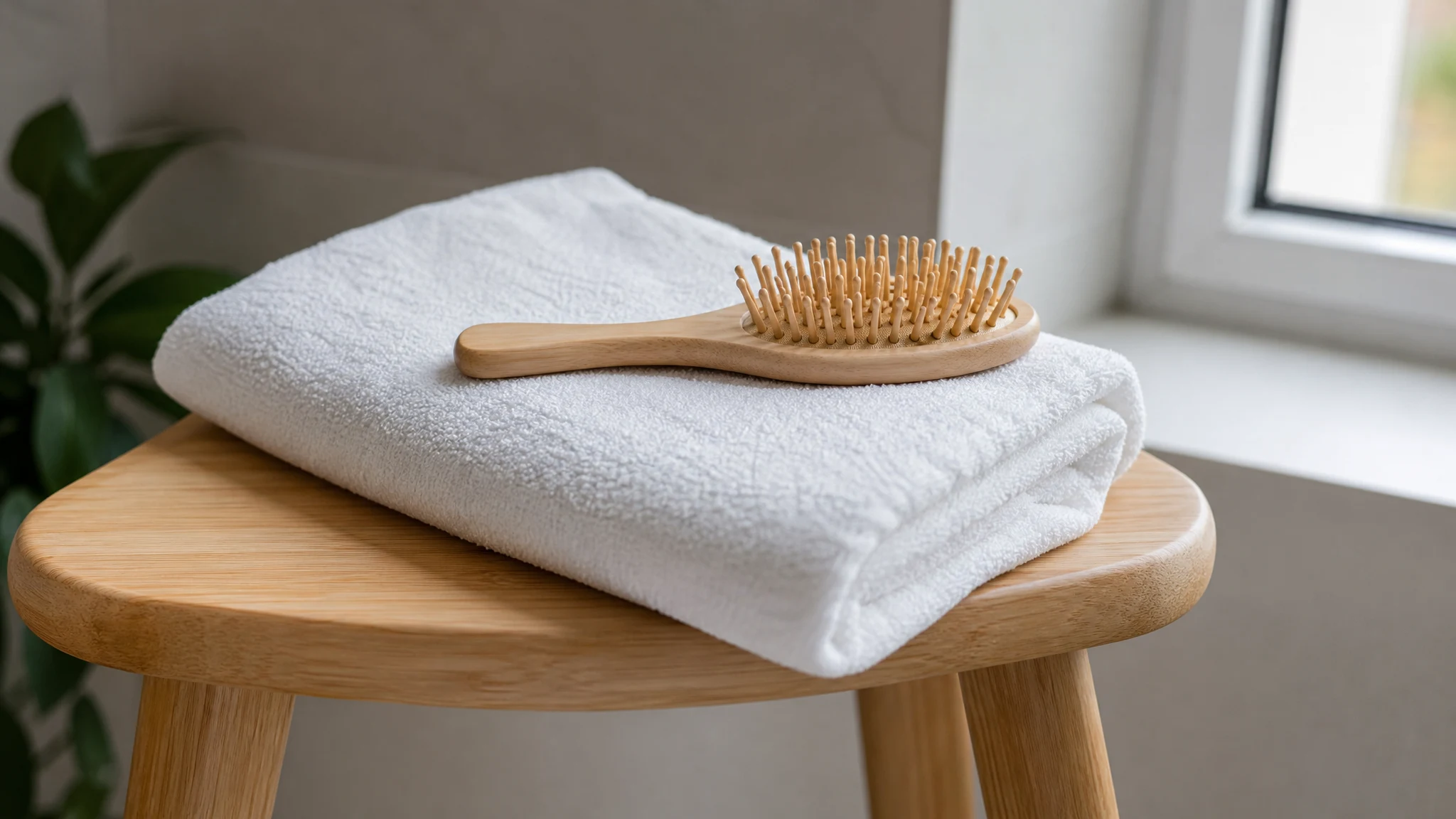
Flaky Scalp and Cedarwood Oil: What to Try First
Dandruff advice starts with a shampoo, not an oil. What the NHS and FDA say, what lab papers show, and how to use cedarwood scent sensibly.

Does Cedarwood Oil Keep Ants Away? The USDA Findings
USDA researchers saw ants avoid a cedar extract, but foragers are not the colony. What the studies say, and where a woody scent really fits in.

How to Read a Cedarwood GC/MS Report
A GC/MS report is a fingerprint, not a pass mark. Learn the identity check, the marker compounds and the questions to ask any cedarwood seller.
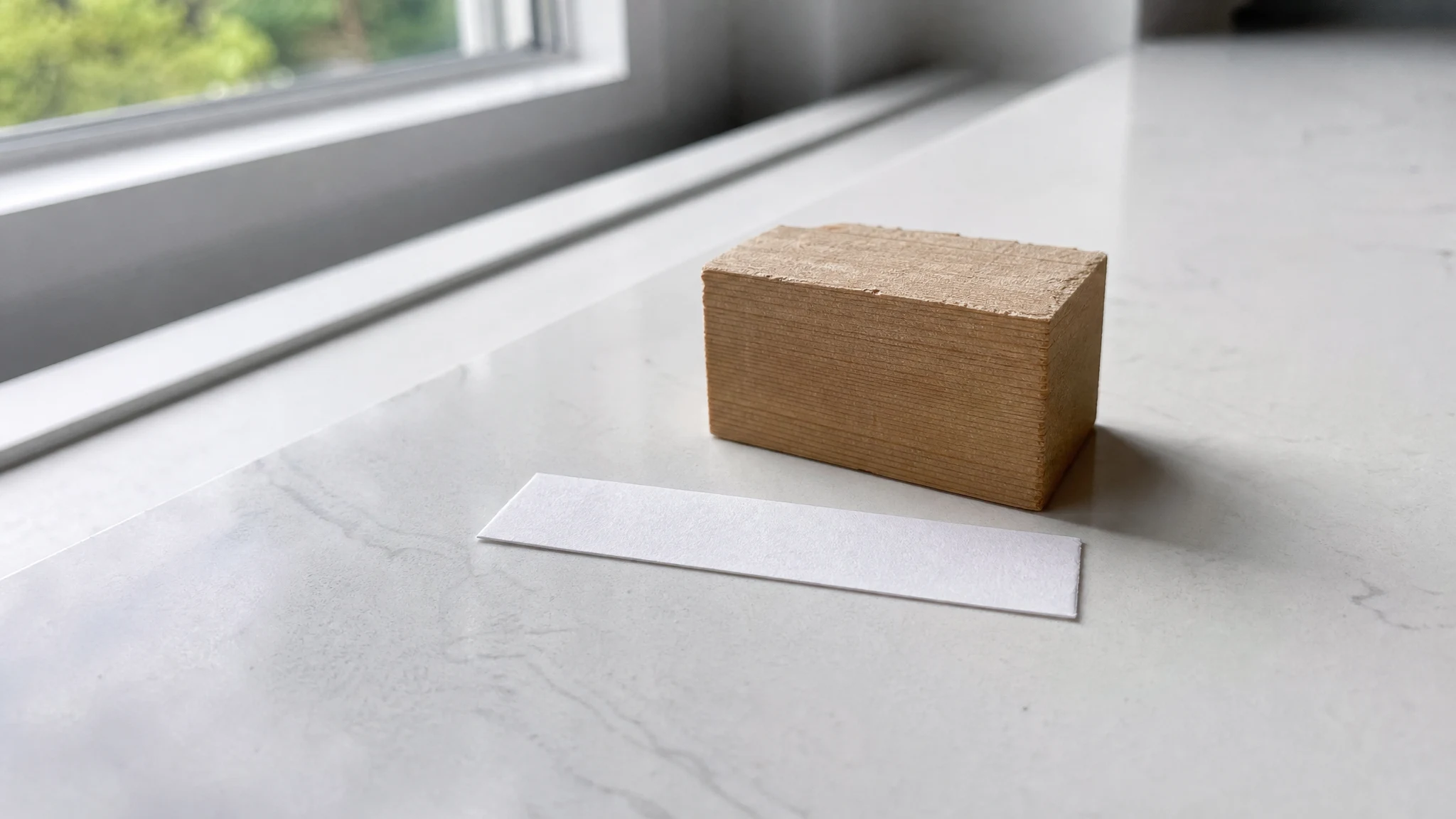
Fake Cedarwood Oil: What Home Tests Can and Can't Tell
Paper spots, water floats and sniff tests catch clumsy cheating, not a swapped cedar. Here is what each test shows and what to ask any seller.

Is Cedarwood Oil Organic? How to Read the Label
An organic seal speaks to how a crop was grown and handled, not which tree is in the bottle. Here is how to read the claim on a cedarwood oil label.
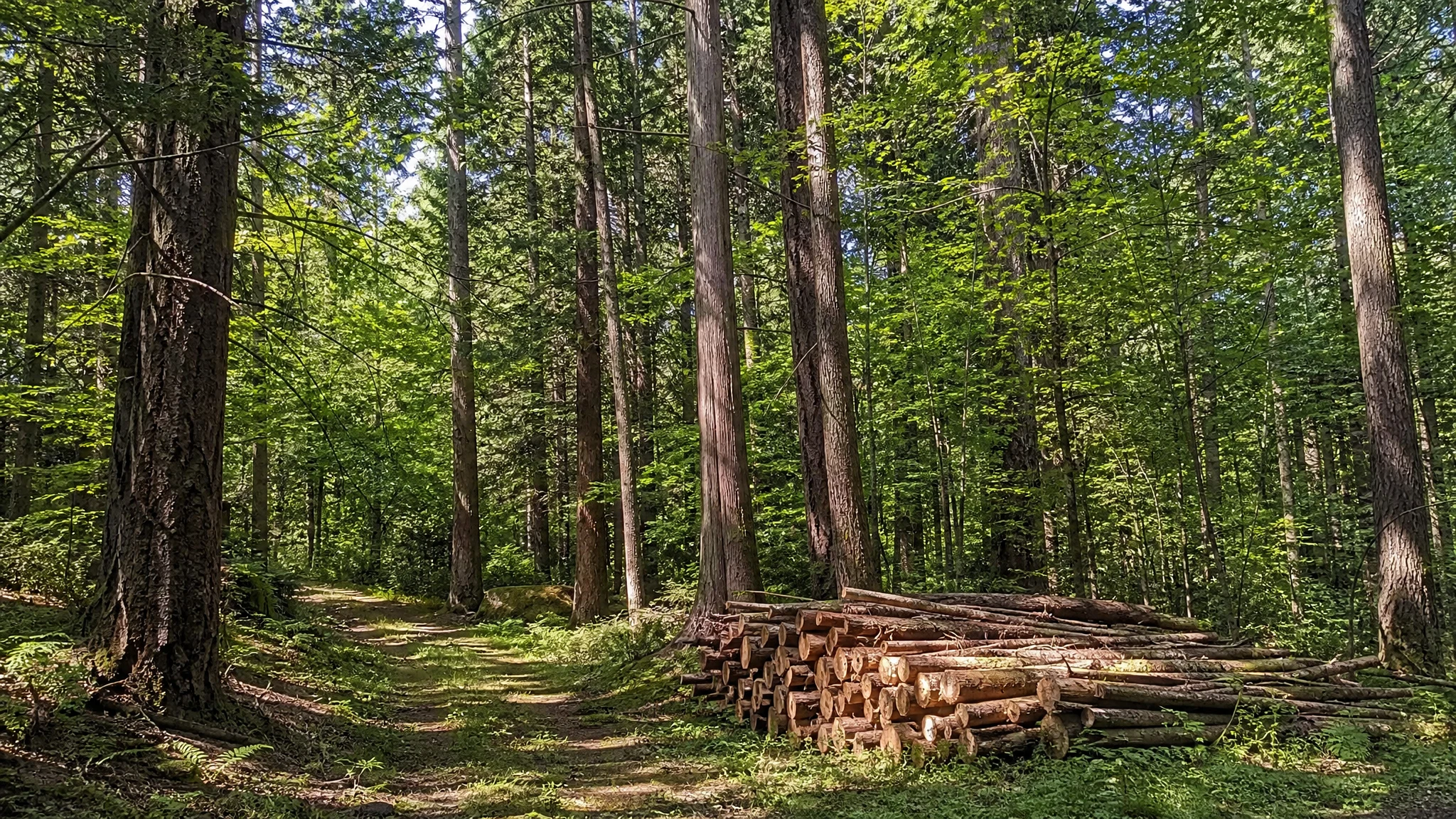
Cedarwood Oil Sustainability: Which Tree, Which Wood
Cedarwood oil comes from four very different trees. One is Endangered, one has spread over millions of acres. What matters is where the wood comes from.

Cedarwood Oil and Sleep: What the Cedrol Studies Show
Cedarwood sleep headlines trace back to cedrol studies in rats and a mask experiment. A plain look at what was measured and which oils contain cedrol.

Cedarwood Oil and Anxiety: What the Studies Really Show
One trial used cedarwood in a three-oil blend and one study used injected oil in mice. A fair look at what the research says and what it leaves open.
Cedarwood Oil for Acne: What the Research Shows
Cedarwood oil is not an acne product. See what one case report offers, what dermatologists suggest, and where cedar scent is best enjoyed instead.
Cedarwood Oil and Eczema-Prone Skin: Read the Label
Fragrance-free is the rule dermatologists give for eczema-prone skin. Here is what that means for cedarwood oil and where cedar scent fits instead.
Cedarwood in Perfumery: Using the Dry, Woody Base Note
Cedarwood is the quiet floor of a woody blend. Learn how base notes work, how our four oils differ, and how to plan a small roller accord.
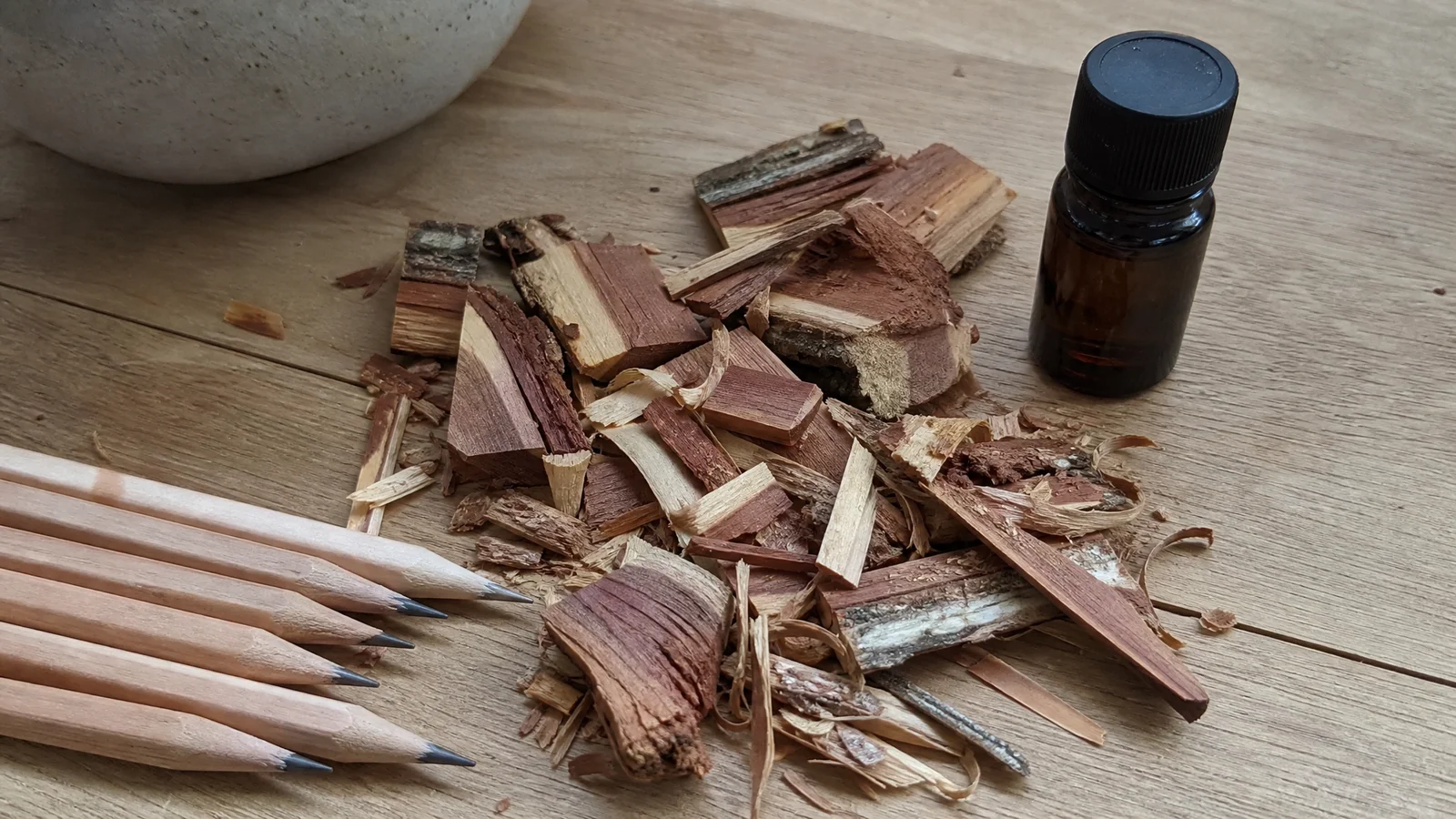
What Does Cedarwood Oil Smell Like? Four Oils Compared
Ask what cedarwood smells like and the answer depends on the tree. Here is how our Atlas, Himalayan, Virginian and Texas oils differ on the nose.
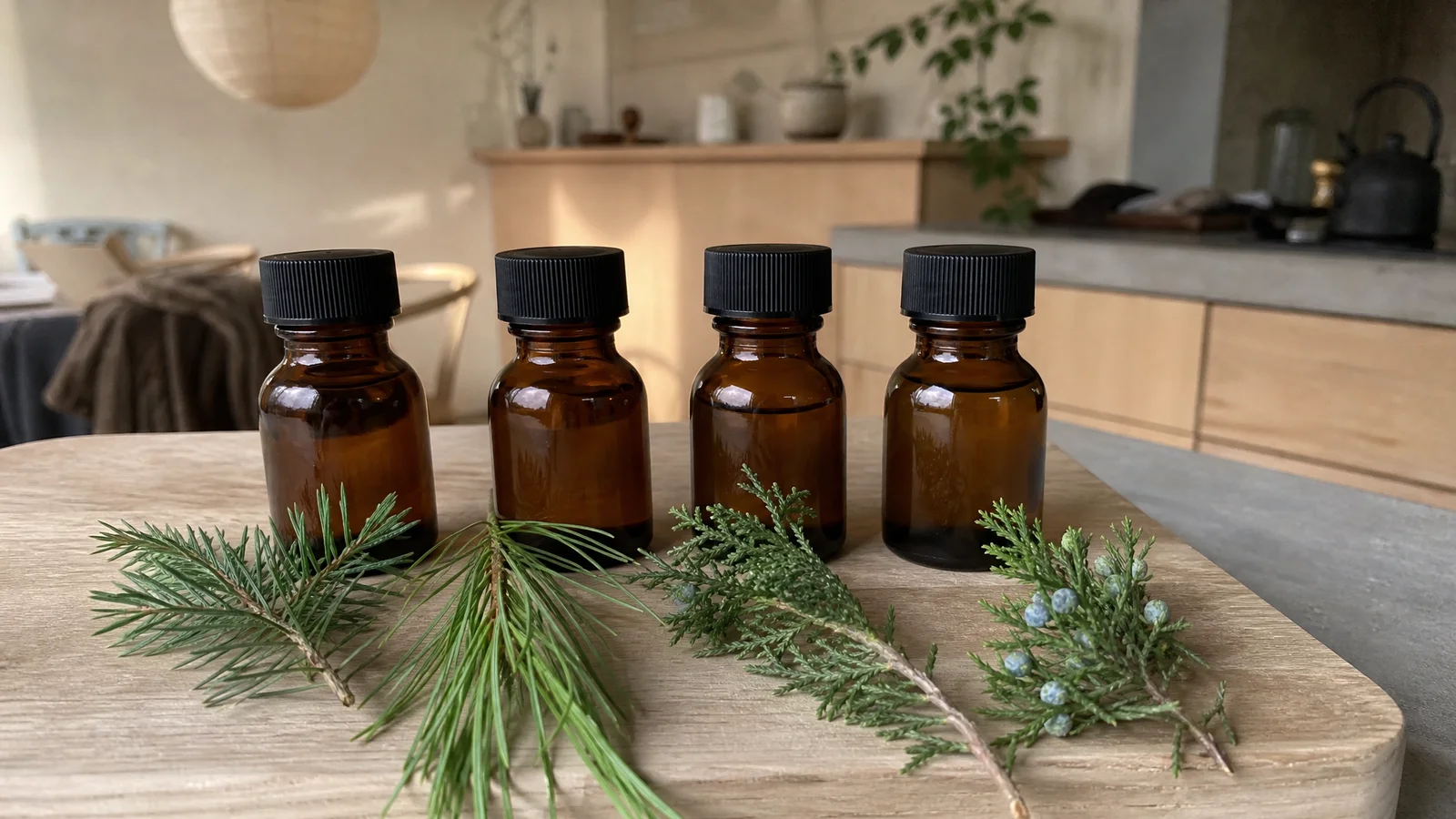
Atlas, Himalayan, Virginian, Texas: Cedarwood Oils Compared
Two true cedars and two junipers share the cedarwood name. Meet Atlas, Himalayan, Virginian and Texas, and find the one that suits your project.
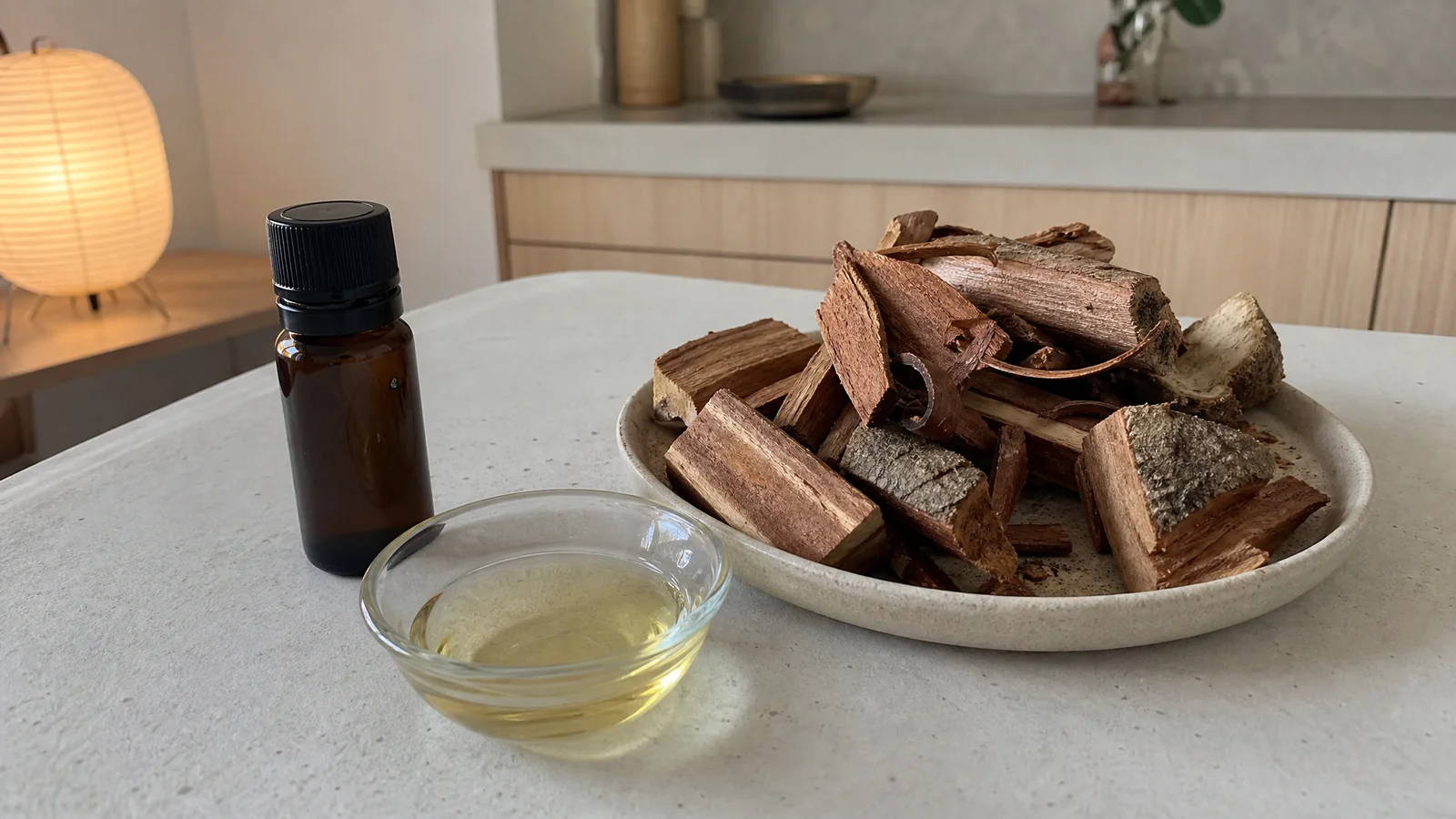
Cedrol vs Atlantones: What Sets Cedarwoods Apart
Cedrol is a juniper compound, not the mark of a true cedar. Which cedarwood oils carry cedrol, himachalenes and atlantones, and why numbers vary.
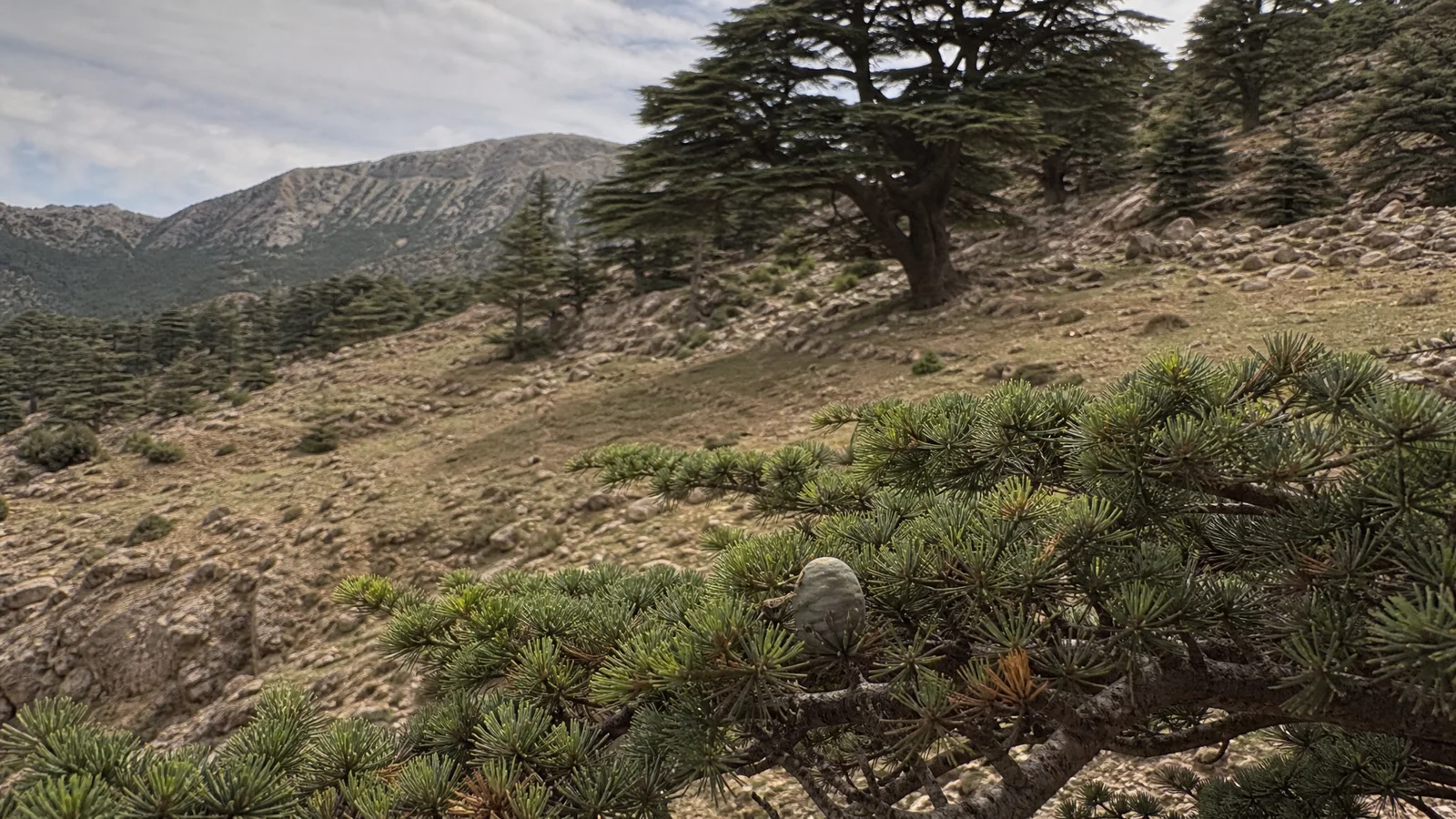
History of Cedar: From Temple Beams to Cedar Chests
From temple beams to the cedar chest, a friendly look at what is documented about cedar, what is still a mystery, and why the name is so slippery.