Is Cedarwood Oil Organic? How to Read the Label
Organic is a statement about how something was grown or gathered, handled and certified, and for plenty of shoppers it is the first thing they look for. With cedarwood oil it answers one useful question and leaves the most interesting one open: which tree is actually in the bottle? We do not make an organic claim for any of our four cedarwood oils, so think of this as a short guide to reading anyone's label.
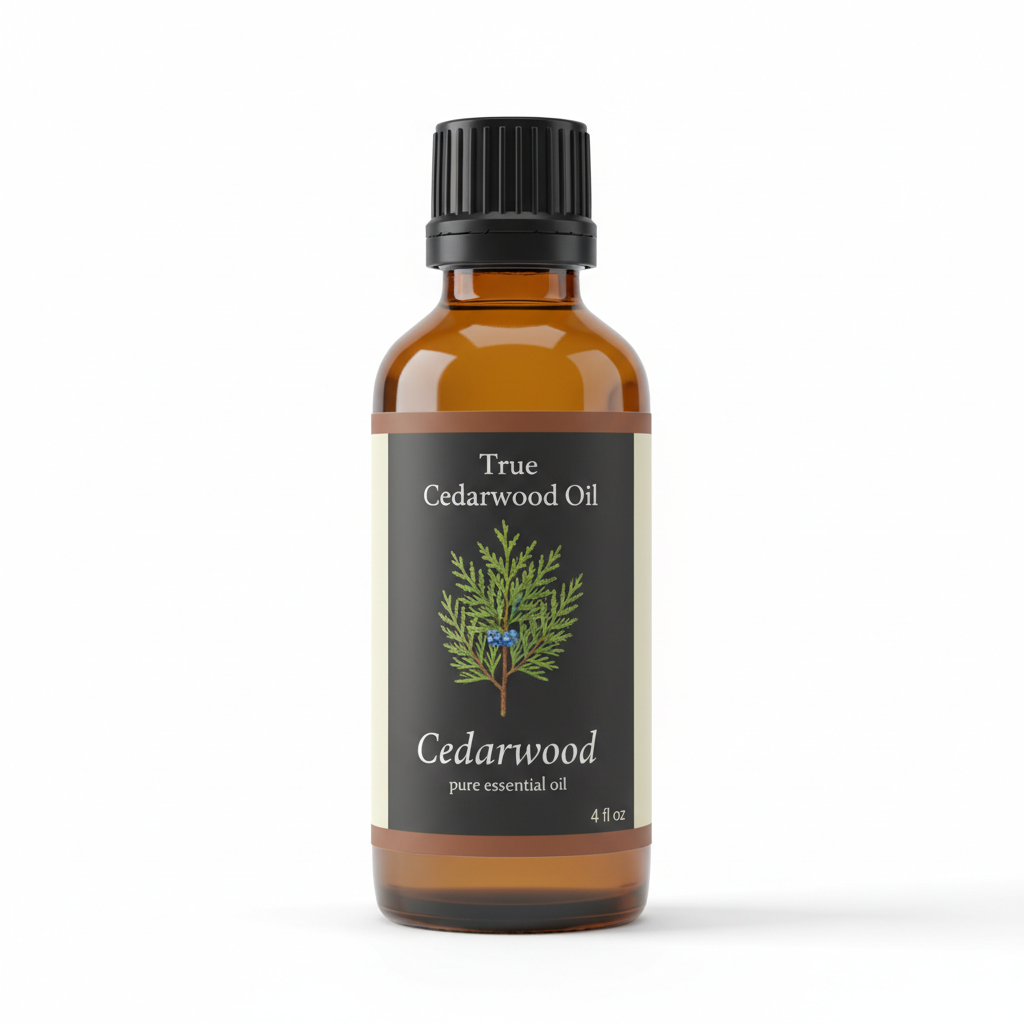
Cedarwood Essential Oil
Our own Cedarwood Essential Oil, in sizes from 0.5 oz to bulk.
From $9.99
Shop Now →Three labels that look alike
In the United States, the rule that sets out label categories is 7 CFR 205.301. Excluding water and salt, a product can be labelled "100 percent organic" only if everything in it is organically produced. "Organic" requires at least 95 percent organically produced ingredients. "Made with organic" followed by named ingredients requires at least 70 percent. Below that, organic content can be mentioned only in limited ways.
For a single oil in a bottle, the ingredient list is one line, so the oil is either organic or it is not. The tiers matter once the oil goes into something else. Picture a 30 ml beard oil that is 29.5 ml organic jojoba and 0.5 ml of a cedarwood oil with no organic status. The cedarwood is only about 1.7 percent of the volume, so by that arithmetic the finished product still clears the 95 percent mark (the other conditions in the rule still apply, and a certifier decides). That is our reading of the percentages, not legal advice, but it explains why a bottle with "organic" on the front can still hold a small non-organic fragrance oil. The ingredient statement is where each organic ingredient is identified.
Who is vouching for it
A label may carry the USDA seal and the mark of the certifying agent that certified the operation producing the finished product. The practical habit is simple: ask the seller for the certifier's name and the current certificate in writing, then confirm it with the certifier. That one email separates a certified product from a marketing adjective, and it is a fair thing to ask of any shop, including ours.
It also helps to know that a certificate for the bottler is a different thing from a certificate for the forest the wood came from. Both matter to a buyer, and a seller can explain which one they hold.
Why wood oils raise their own questions
Most organic thinking is built around farm crops. Cedarwood is different: the Atlas cedar grows wild in mountain forests, and a wood oil is not a farm crop in the usual sense. The rule has a separate section for wild crops. Under 7 CFR 205.207, a wild crop sold as organic must come from a designated area that has had no prohibited substance applied for the three years before harvest, and it must be harvested in a way that is not destructive to the environment and sustains growth of the crop.
Two points follow, and both are our reasoning from the rule, not statements about any particular certificate. First, a certification would need to point to a defined harvest area. Second, the sustainability clause is the one to read most carefully for the Atlas cedar, which the Royal Botanic Garden Edinburgh's conifer pages list as Endangered. Which category a given supplier's wood falls into is a question for the certifier, and our sustainability article has the background on all four trees.
What no seal tells you
This is where cedarwood buyers get the most value from asking questions. Organic rules deal with how something was produced. They do not ask a certifier to confirm the species. A 2026 review of cedarwood oil compositions says Atlas oil is frequently adulterated with Himalayan cedar oil because the Atlas is rarer and costlier, and that the two can be separated by composition, since atlantones are very low in Atlas oil and usually at least 20 percent in the Himalayan one. So a certified bottle labelled Atlas could in principle be the wrong cedar, and an uncertified one could be exactly right. Identity is a matter for the botanical name on the paperwork and a GC-MS report, which our guide to reading a GC-MS report explains.
The same goes for the junipers. Virginian and Texas cedarwood oils come from Juniperus species, and no certificate changes which genus is in the bottle.
Where that leaves our oils
We sell four cedarwood oils (Atlas, Himalayan, Virginian and Texas), all sold neat and undiluted with no additives or fillers. We make no organic claim for any of them and we do not hold an organic certificate for them. The Certificate of Analysis we publish covers one Atlas batch and lists density and refractive index. If your formula or your customer needs a certified-organic input, buy it from a seller who can name the certifier and hand over the certificate. If you need species confirmation, origin or GC-MS for one of our oils, ask us in writing through the contact page before ordering and get the answer in writing.
A short checklist for any organic cedarwood oil
- Which label tier is it, and is the oil marked as organic in the ingredient statement?
- Who is the named certifier, and will they confirm the certificate is current for this product?
- Is the oil from a wild harvest, a plantation or another source, and which does the certificate describe?
- What botanical name is on the paperwork, and is there a GC-MS report for your lot?
Before you shop
It helps to decide what you actually need. If an organic label matters for your product or your own preference, say so in your first message to a seller and ask for the paperwork before you place an order. If what you care about most is the right tree and a document for your lot, put that first. Knowing your priority makes the whole conversation shorter and the answers clearer.
If you are comparing cedarwood oils for a formula, start with the botanical name and the documents behind it, and treat an organic seal as a separate, optional layer on top. Our guide to buying cedarwood oil by species and our piece on what home tests can and cannot show pick up from here.
Cedarwood Essential Oil
Cedarwood Essential Oil from our own shop, in sizes from 0.5 oz to bulk.
From $9.99
Shop Now →