Cedarwood Oil Sustainability: Which Tree, Which Wood
"Cedarwood" is a name shared by trees that have almost nothing in common apart from a woody scent, so the question of whether cedarwood oil is sustainable has no single answer. It depends on which tree the oil comes from, and, just as importantly, which part of the tree and where the wood came from. We sell four cedarwood oils from four different trees, so it is worth walking through them.
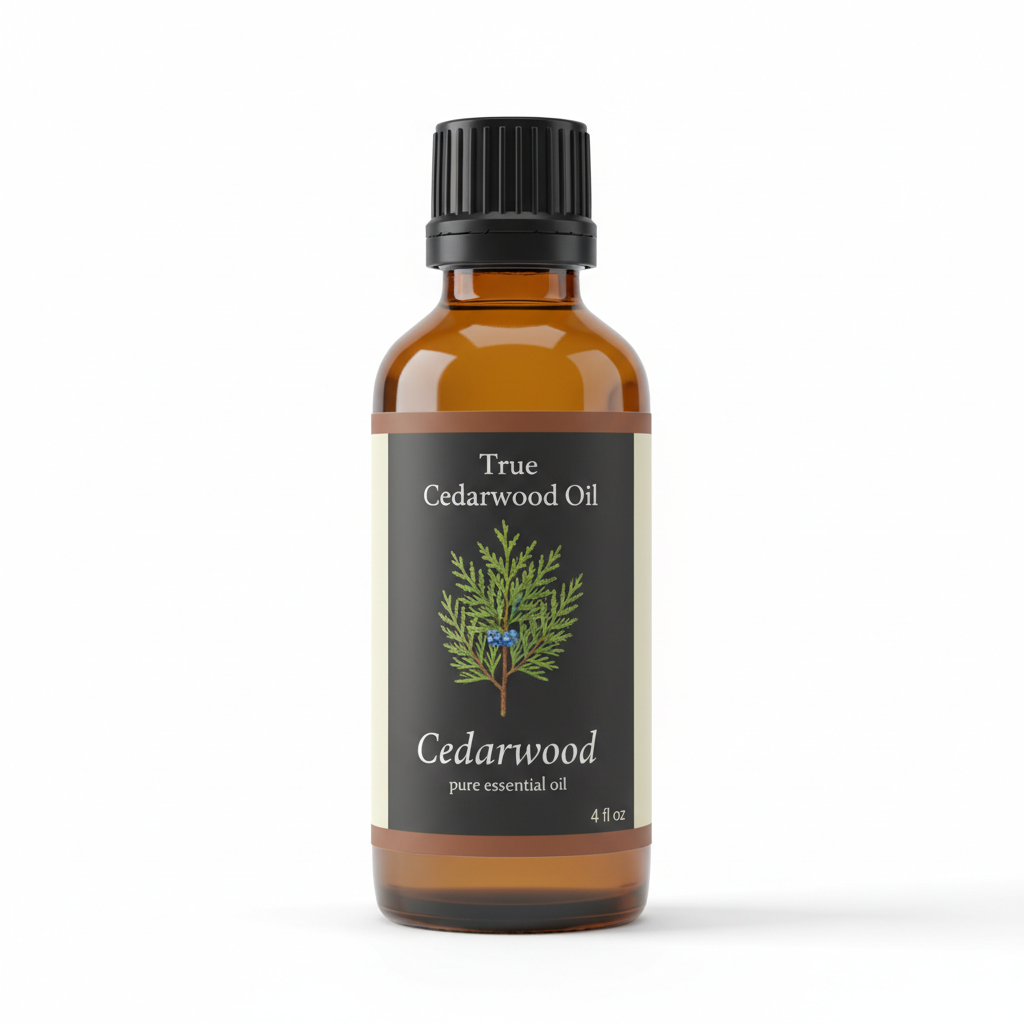
Cedarwood Essential Oil
Our own Cedarwood Essential Oil, in sizes from 0.5 oz to bulk.
From $9.99
Shop Now →The Atlas cedar and its conservation record
Our Atlas oil is the one that carries the most weight in this conversation. The Atlas cedar (Cedrus atlantica) grows only in the mountains of Morocco and Algeria, and the Royal Botanic Garden Edinburgh's threatened-conifers listing, which cites the IUCN Red List, records it as Endangered. Its total area of occupancy is estimated at only 1,300 to 1,500 square kilometres, with declines of up to 75 percent estimated between 1940 and 1982. The listed threats are logging, fire and extensive grazing by goats, with recent droughts, pests and diseases adding to the pressure. A 2019 study of Atlas cedar growth rings in Morocco examines dieback and conservation of this endangered tree.
What those sources do not say is that essential oil is behind the decline, and they give no figure for how much Atlas wood goes into oil. So the fair summary is neither alarm nor reassurance: it is a tree under real pressure from several causes, and its status alone cannot tell you whether a given bottle adds to that pressure or not.
The junipers and the question of feedstock
Our Virginian and Texas oils come from junipers rather than true cedars, and for those trees the conversation shifts from species status to what kind of wood gets distilled. In the United States, Ashe juniper, the tree most associated with Texas cedar, has spread widely, and the US Forest Service estimates it covers about 8.6 million acres of Texas, much of it former grassland. That is real context for anyone who likes the idea of oil from trees that land managers already clear, but the Forest Service page is about the tree and does not mention oil, so connecting the two is a reasonable thought and not a documented fact.
A 1987 survey by Robert Adams of US junipers is useful here. It confirmed that the two species in commercial use for cedarwood oil were Ashe juniper and eastern red cedar, and it measured how much oil their heartwood yields when steam-distilled: 4.04 percent of dry weight for Ashe juniper and 3.18 percent for eastern red cedar, with sapwood giving far less. Turn those percentages around and you get a feel for scale. At the red cedar figure, a pound of oil needs about 14 kilograms of dry heartwood (our arithmetic, from a laboratory yield rather than a commercial still). That is a trivial amount if it comes from sawmill leftovers and a lot of timber if trees are cut specifically for oil, which is why the source of the wood matters more than the species on the label.
Why a name on a label is only a start
It is tempting to treat a green-sounding word on a bottle as the answer. We would encourage a slower habit: look at the Latin name first, because it tells you which tree is meant, and then ask what the raw material was. Two bottles with the same Latin name can come from very different wood. That is why we keep the botanical name on every product page, and why we would rather answer your questions in writing than hand you a slogan.
What we can tell you, and what to ask
We do not make sustainability claims for any of our four oils, and we would not infer one from a species listing. If sourcing is central to your purchase, ask us in writing through the contact page before ordering, and get the answer in writing. It is also a good set of questions for any seller:
- Which botanical name and plant part is the oil, and is there analysis to back that up?
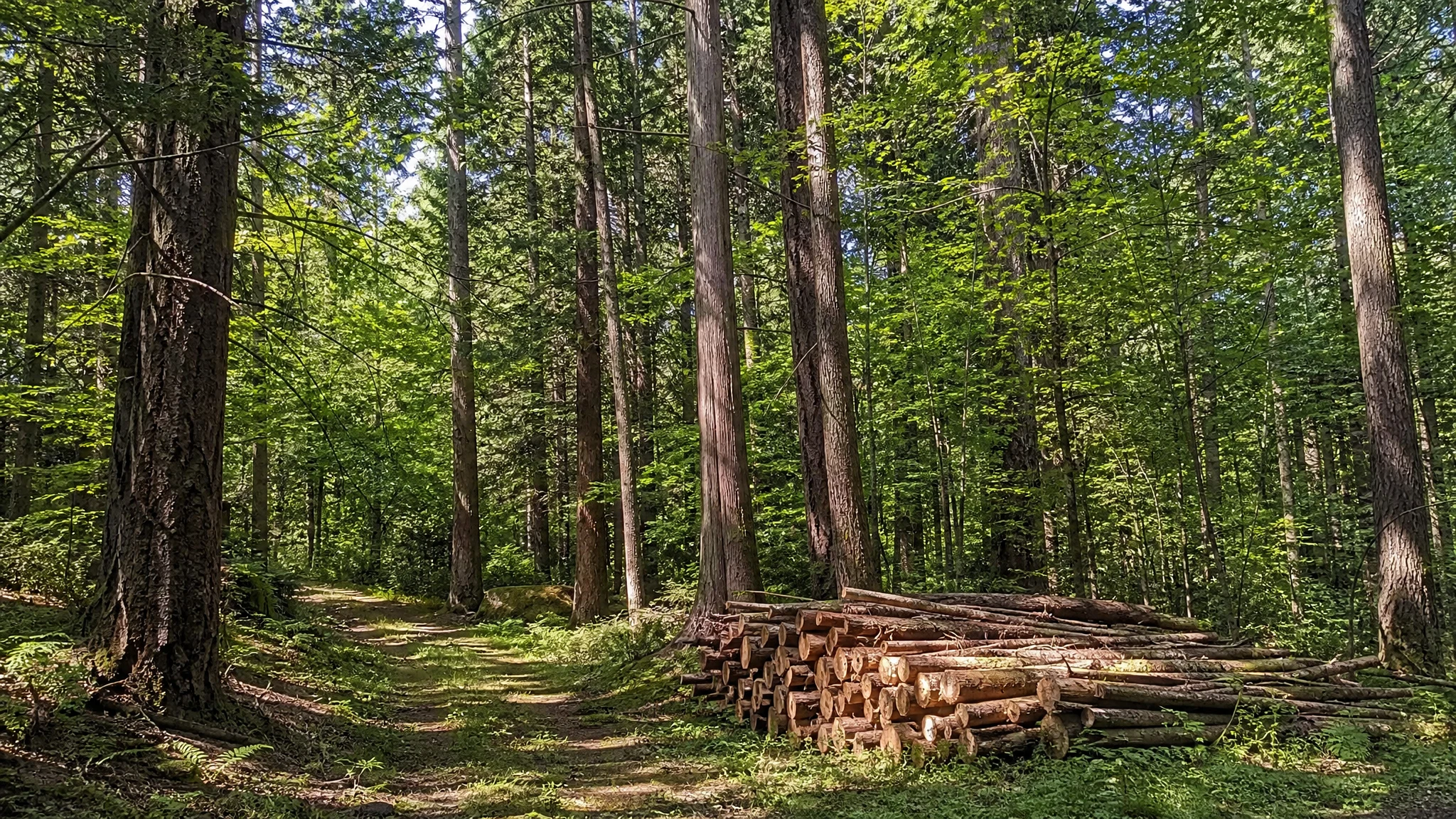
- Was the raw material mill or joinery waste, dead or fallen wood, thinnings, or trees cut for oil?
- If a country, permit or certification is named, who issued it, and can you check it with them directly?
- For Atlas oil in particular, how does the seller weigh the species' Endangered listing?
A seller who answers those in specifics tells you far more than a green-sounding adjective on a label. And for some projects, a juniper oil with a clear wood source may suit your needs better than a cedar oil with no story behind it.
One small thought from a business that loves these woods: smelling a good cedar is a reminder that someone grew it. If sustainability matters to you, it is worth treating that smell as a prompt to ask questions, not as a reward for not asking. A seller who is glad to be asked is a seller worth keeping.
If you would like to read further, our buying guide to the species compares the four oils, our history of cedar explains how these forests were used for thousands of years, and our cedarwood and sandalwood comparison looks at a woody oil with a very different conservation story.
Cedar has been prized for as long as people have built with wood, and a little curiosity about where an oil comes from is the best way to keep it that way.
Cedarwood Essential Oil
Cedarwood Essential Oil from our own shop, in sizes from 0.5 oz to bulk.
From $9.99
Shop Now →Sources & Further Reading
- Royal Botanic Garden Edinburgh, "Cedrus atlantica | Threatened Conifers of the World (en-GB)." threatenedconifers.rbge.org.uk
- Copes-Gerbitz K, Fletcher W, Lageard JGA, Rhanem M, Harrison SP, 2019. "Multidecadal variability in Atlas cedar growth in Northwest Africa during the last 850 years: Implications for dieback and conservation of an endangered species." Dendrochronologia. PMC6686623
- USDA Forest Service Fire Effects Information System, "Juniperus ashei." fs.usda.gov
- Adams RP, 1987. "Investigation of Juniperus Species of the United States for New Sources of Cedarwood Oil." Economic Botany. juniper.oregonstate.edu