Atlas vs Virginian Cedarwood: Which Scent Suits You?
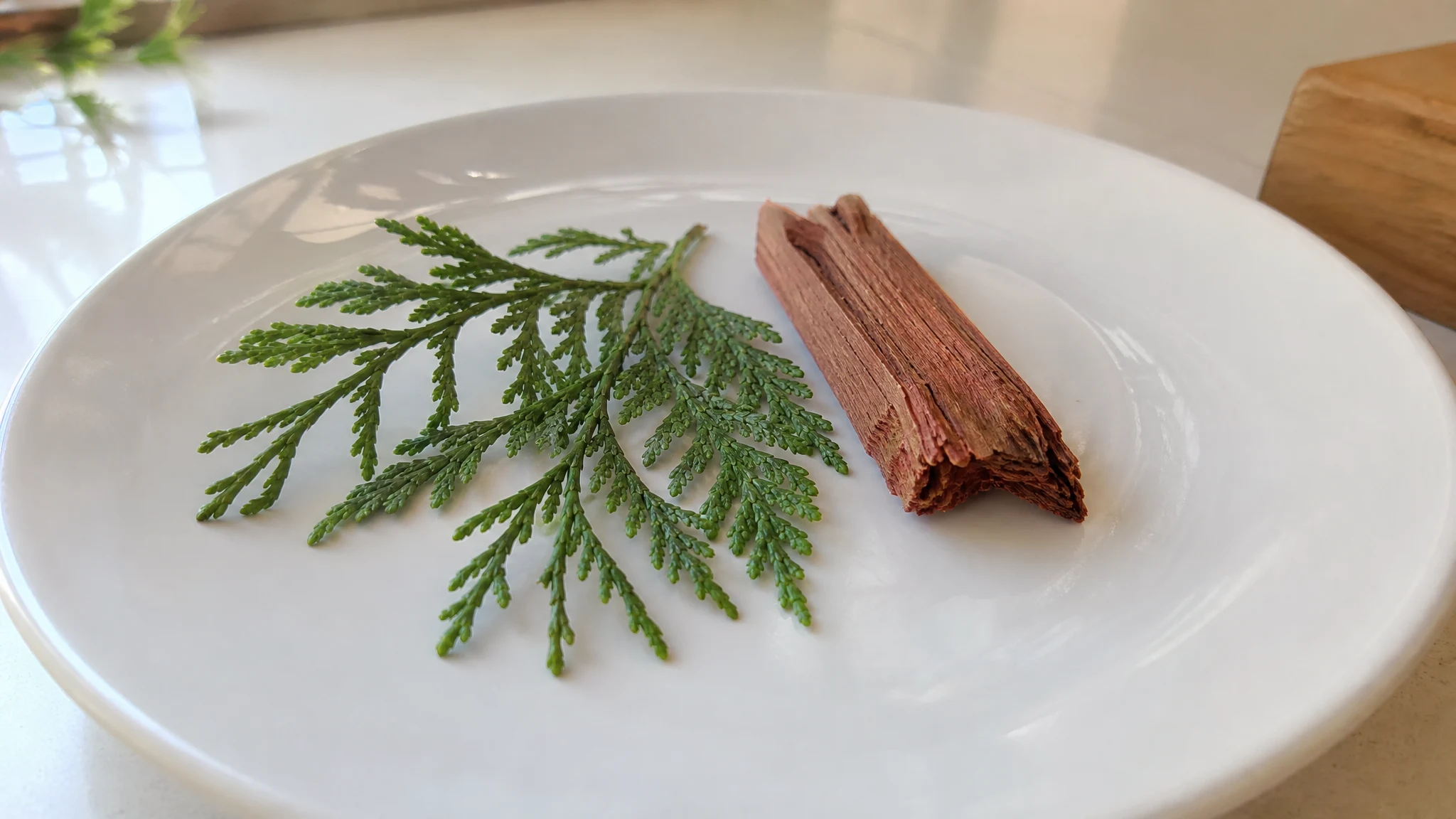
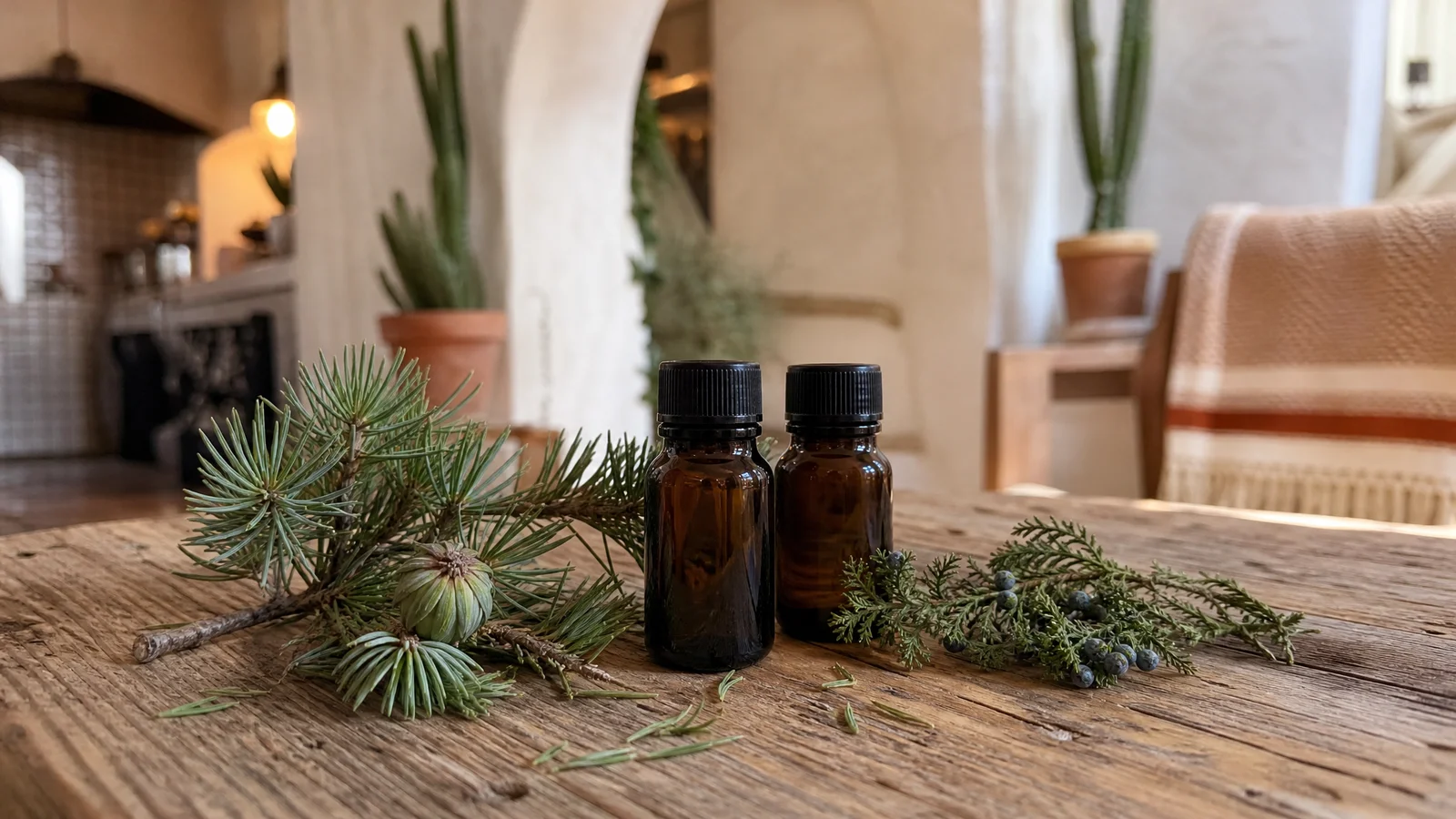
Open a cedar chest and you smell something sharp, dry and a little like a sharpened pencil. Open a bottle of Atlas cedarwood and you meet something sweeter and rounder, with a balsamic warmth. Both are called cedarwood, but they come from different trees: Atlas from Cedrus atlantica, a true cedar, and Virginian from Juniperus virginiana, a juniper that borrowed the cedar name. We sell both, and we think the best way to choose is to understand what sets them apart.
Cedarwood Essential Oil
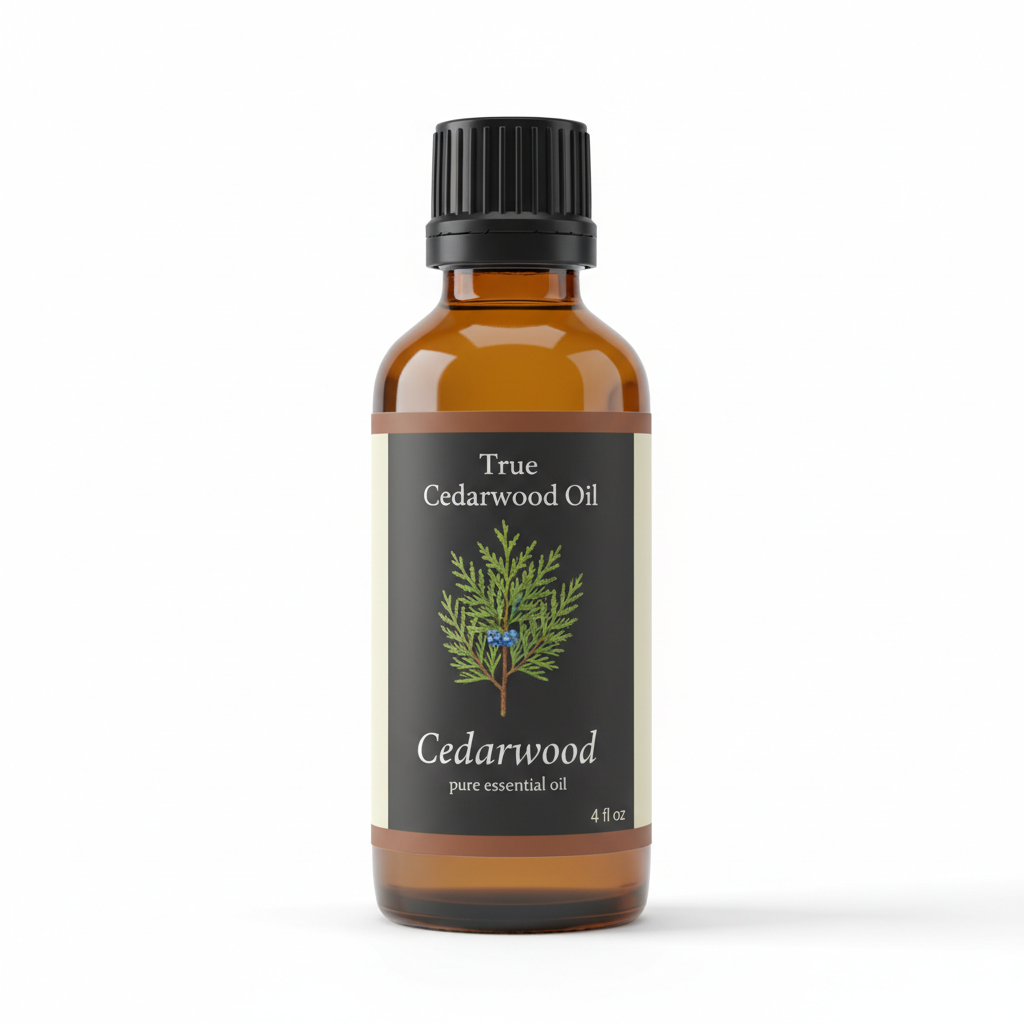
Our own Cedarwood Essential Oil, in sizes from 0.5 oz to bulk.
From $9.99
Shop Now →Two trees, one trade name
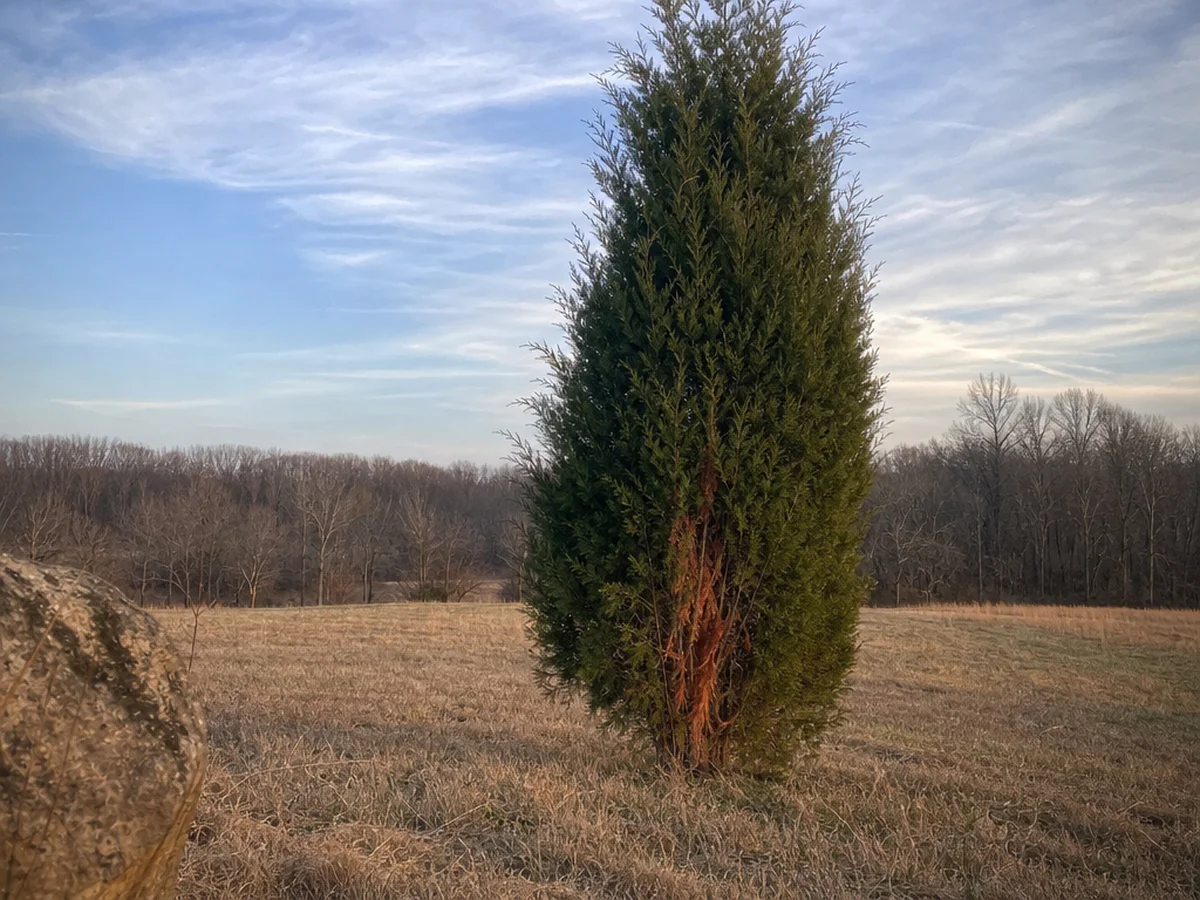
"True cedar" is not a grade of quality. It is simply botany: the genus Cedrus versus the genus Juniperus. Atlas cedar is native to the mountains of North Africa, while the eastern red cedar behind our Virginian oil grows across the eastern United States (Cedarwood Oils: The Wood Essential Oil Compositions from Trees Known as "Cedar"). Those are the trees' natural ranges, not a statement about where any particular bottle comes from.
How they smell and why
We describe our Atlas oil as dry, woody and warmly sweet with a balsamic depth that settles as a steady base note. Our Virginian is dry and sharp, classically like fresh pencil shavings, the clean cedar of closet drawers. The chemistry behind that contrast is real. In a 2026 review of commercial wood oils, 48 Atlas oils were led by himachalenes (beta-himachalene averaged about 40%), while 56 Virginia oils were led by alpha-cedrene (about 32%), with cis-thujopsene and cedrol close behind (Cedarwood Oils: The Wood Essential Oil Compositions from Trees Known as "Cedar"). Himachalenes and cedrenes simply smell different. Those are averages across commercial oils, not figures for our bottles, and a GC-MS report for a specific lot is how you would see the real mix. Our GC-MS article shows how to tell a cedar report from a juniper one.
Where each one shines
- Closets, drawers and sachets: the Virginian is the one we recommend. Its pencil-shaving character is exactly the smell people associate with a cedar chest.
- A softer, sweeter woody base in blends: that is Atlas territory. It pairs nicely with bergamot, lavender, vetiver, rose, sandalwood and clary sage, and our perfumery article explains the base-note role.
- Somewhere in between: our Himalayan and Texas oils sit between the two. The Himalayan is warm and softly resinous, the Texas soft and smooth. Our family guide covers all four.
One practical tip: do not swap them one for one in a recipe. The scents differ, and so does the safety data behind them, so a percentage written for one oil was set with that oil in mind.
A simple way to compare them at home
If you have both oils, or can pick up a small bottle of each, try this. Put one drop of each on its own strip of plain paper and label the strips in pencil. Wave a strip gently a few inches from your nose instead of pressing it to your face. Come back after a minute, again after ten, and once more at the end of the day. You will notice that a base note keeps changing as it dries down: the first sniff is the loud one, and the later sniffs show the real character.
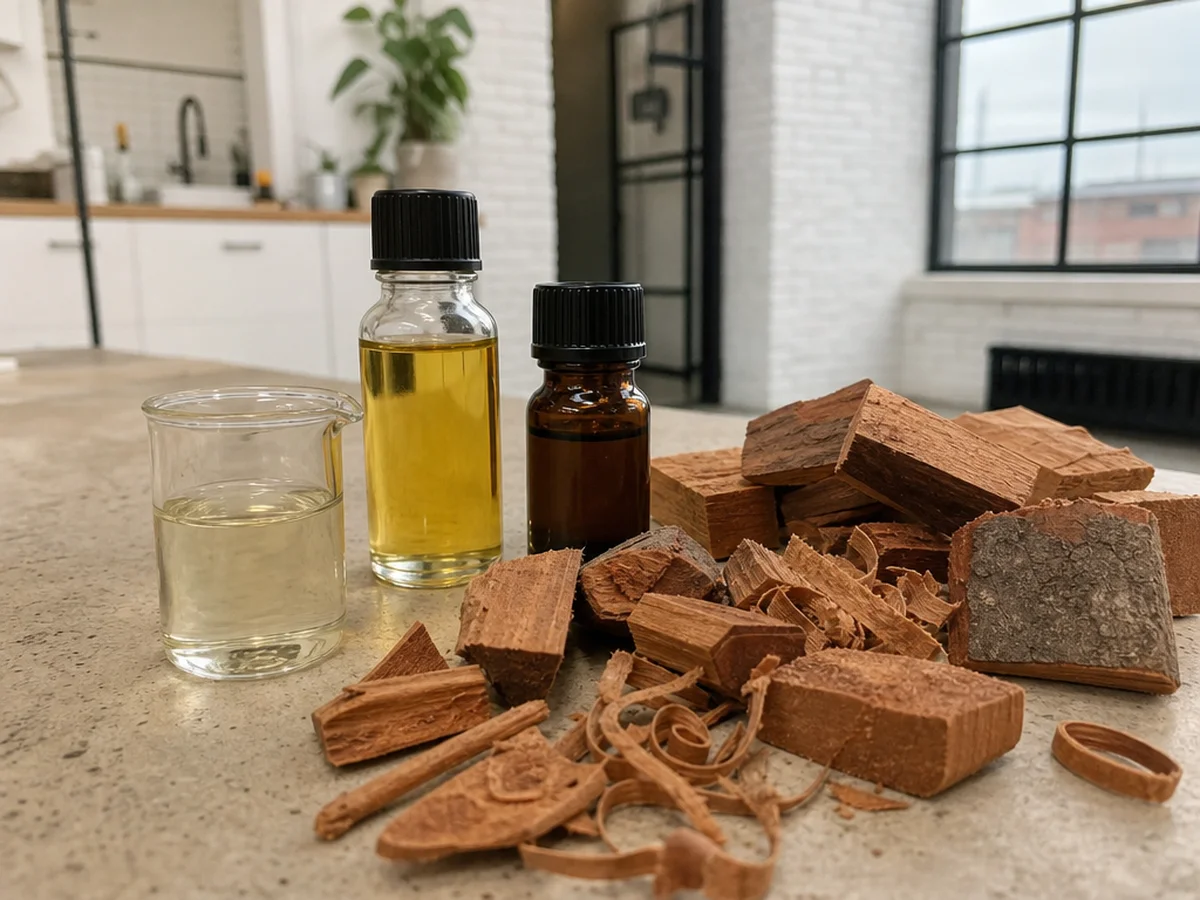
Give your nose a rest between oils. Stepping outside for a breath of fresh air helps reset things. Jot a word or two beside each strip. Plenty of people find they love one for the first minute and the other for the last hour, which is handy to know before you commit to a whole bottle. We sell every oil in small sizes as well as large ones, and for a first order we would suggest the smallest bottle of whichever scent you are curious about.
Dilution, and why we start low
Our guidance for all four oils is to dilute to 0.5% to 2% in a carrier oil and patch test first, and we suggest beginning at the low end. Here is why. A 13-week rodent study of Virginia cedarwood oil on skin found skin changes at the application site, and the benchmark dose lower limits for the most sensitive findings were 0.65% to 2.1% in female rats and 1.2% to 4.4% in male rats (Dose-response assessment of the dermal toxicity of Virginia cedarwood oil in F344/N rats and B6C3F1/N mice). Animal data with an ethanol vehicle is not a human limit. We did not find a comparable dermal study of Atlas oil, and a 2025 review calls systematic toxicology of Cedrus oils scarce (Cedarwood essential oil (Cedrus spp.): a forgotten pharmacological resource with emerging therapeutic potential). That review also notes cedarwood oil has been associated with skin sensitization, particularly when oxidized or too concentrated, and gives 2% or less for leave-on products as an example of an established limit. Put together, a gentle percentage and a fresh bottle are the sensible path for either oil. If you are pregnant, have eczema or a fragrance allergy, or are shopping for a child, ask a physician or pharmacist first, and see our safety article.
Telling them apart in the bottle
Smell alone is a weak test unless you have both to compare. The dependable tool is the Latin name on the label, and for certainty a GC-MS report. The Certificate of Analysis we publish covers one Atlas batch and lists density and refractive index, so it cannot confirm species for any other lot. If you need a constituent report or species confirmation for an order, ask us in writing through the contact page before ordering and get the answer in writing.
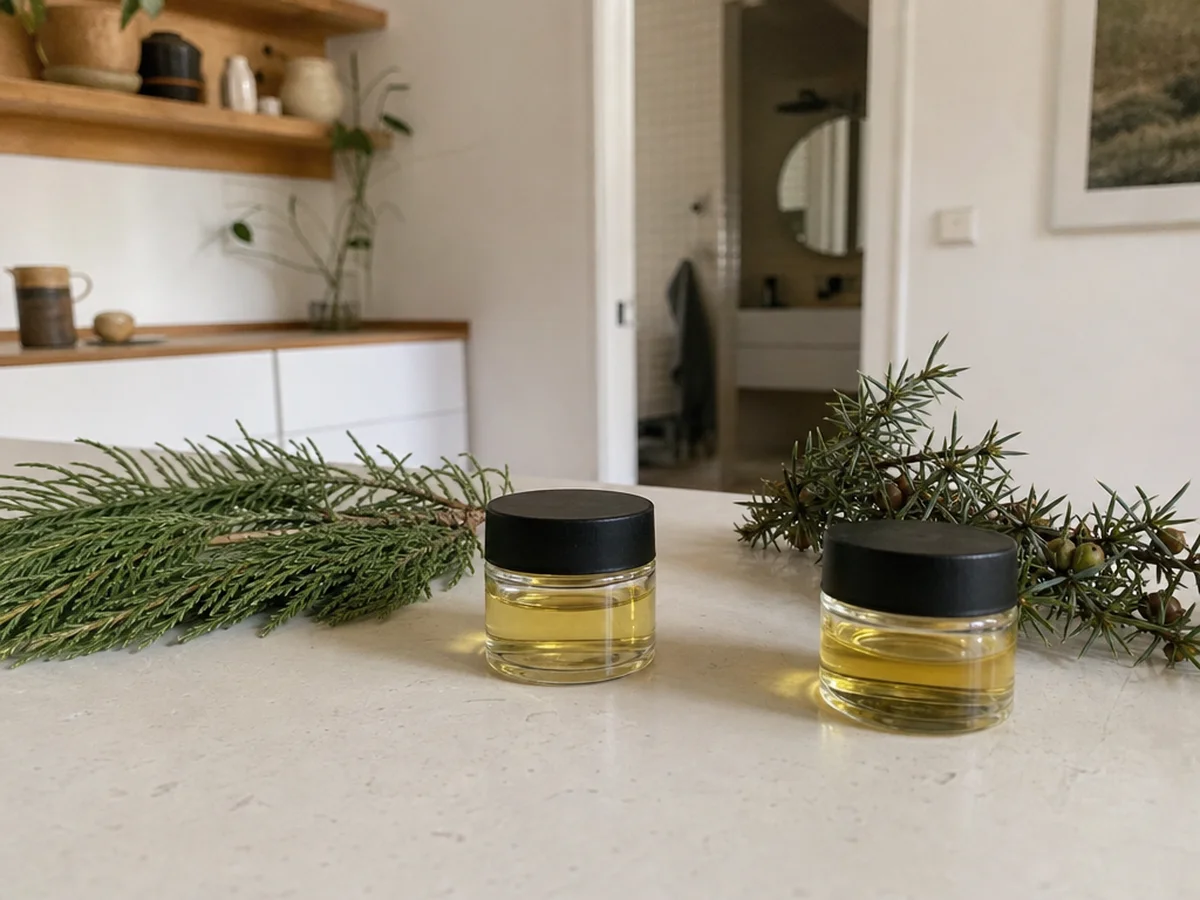
The simplest rule of thumb is to choose the oil for the smell you want. Crisp and classic, go Virginian. Sweet and warm, go Atlas. Both deserve a place on a shelf.
Cedarwood Essential Oil
Cedarwood Essential Oil from our own shop, in sizes from 0.5 oz to bulk.
From $9.99
Shop Now →Sources & Further Reading
- Setzer and Satyal, 2026. Cedarwood Oils: The Wood Essential Oil Compositions from Trees Known as "Cedar". Plants (Basel). Europe PMC 41754364
- Gonçalves, 2025. Cedarwood essential oil (Cedrus spp.): a forgotten pharmacological resource with emerging therapeutic potential. Exploration of Drug Science. explorationpub.com
- Catlin et al., 2016. Dose-response assessment of the dermal toxicity of Virginia cedarwood oil in F344/N rats and B6C3F1/N mice. Food and Chemical Toxicology. Europe PMC 27769849