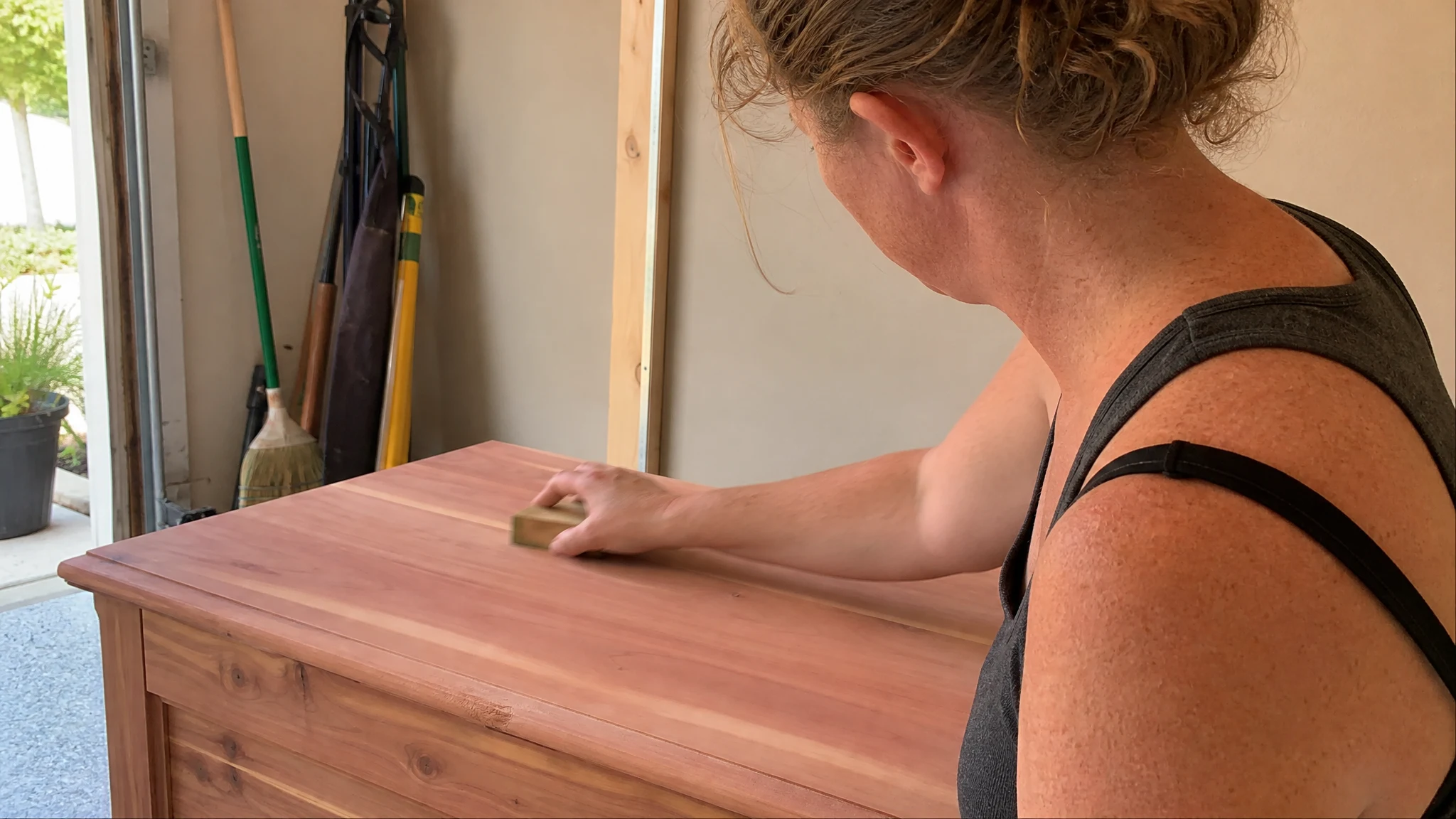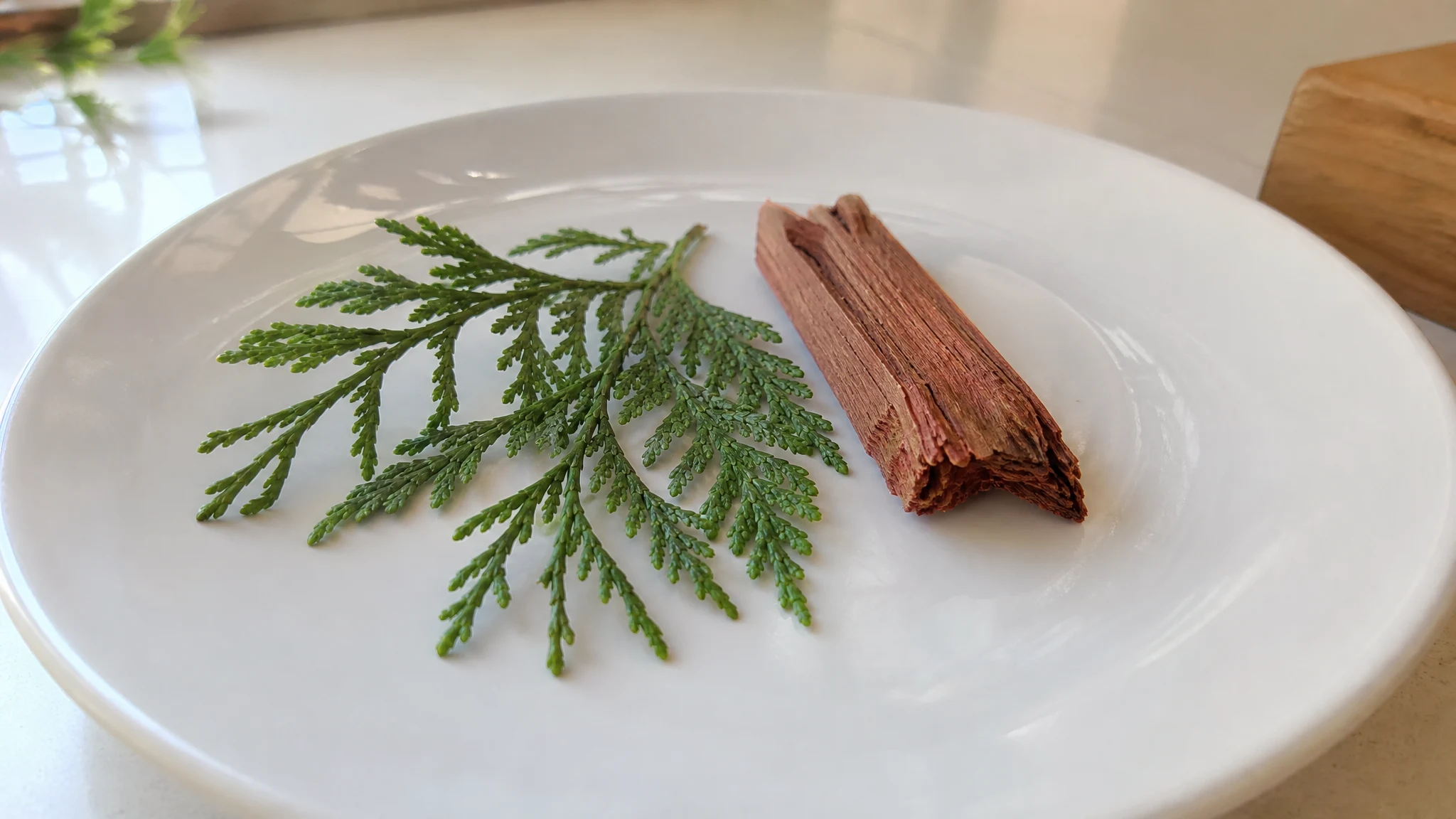
Cedarwood vs Cedar Leaf Oil: Read the Latin Name
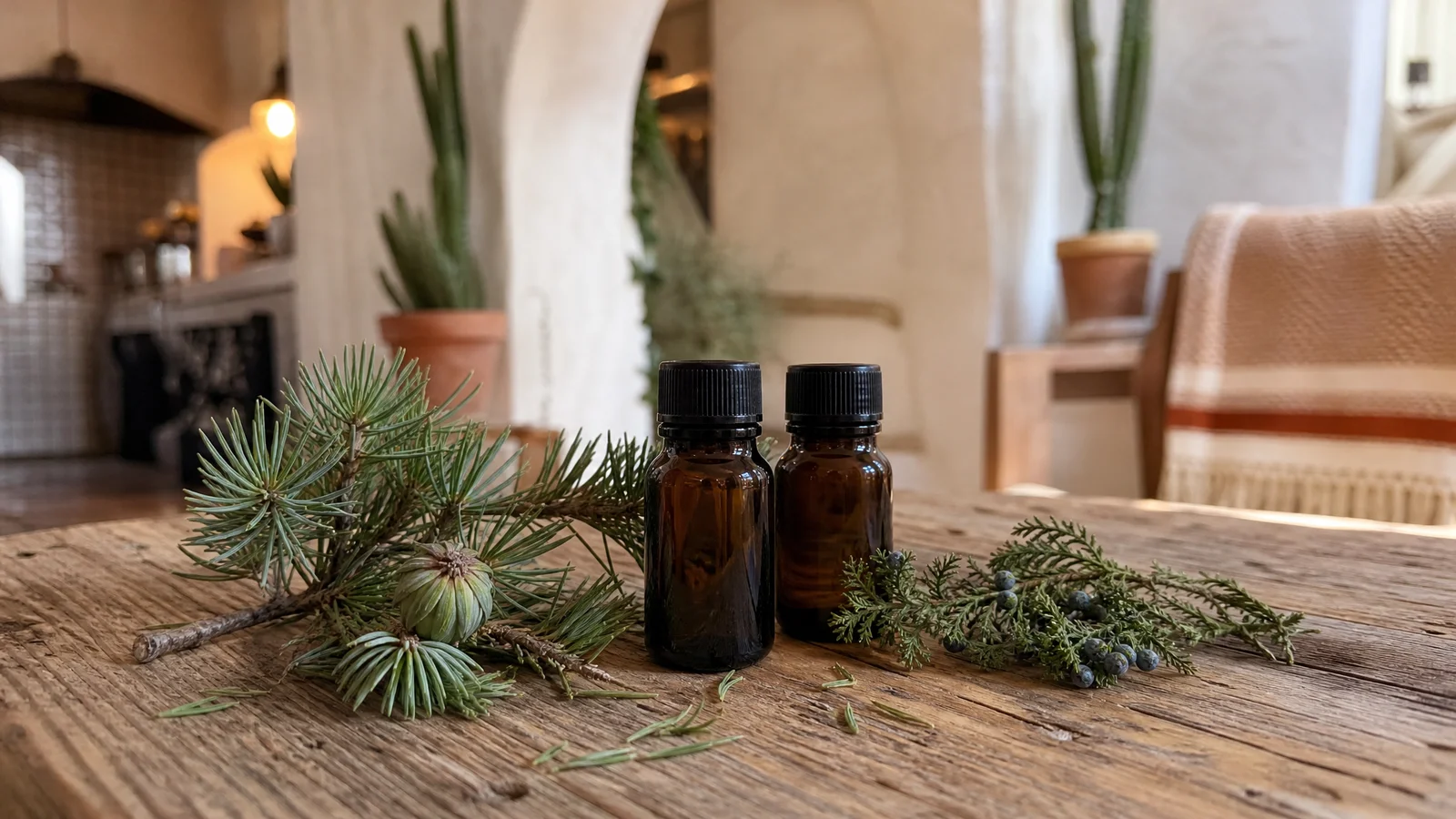
The word "cedar" on a bottle can mean surprisingly different things. It might be an oil steamed from cedar or juniper wood, which is what we sell. It might be an oil from the leaves of the northern white cedar, Thuja occidentalis, usually called cedar leaf or thuja oil. Or it might come from yet another tree that borrowed the name. The good news is that two small details on the label, the Latin name and the plant part, sort it all out.
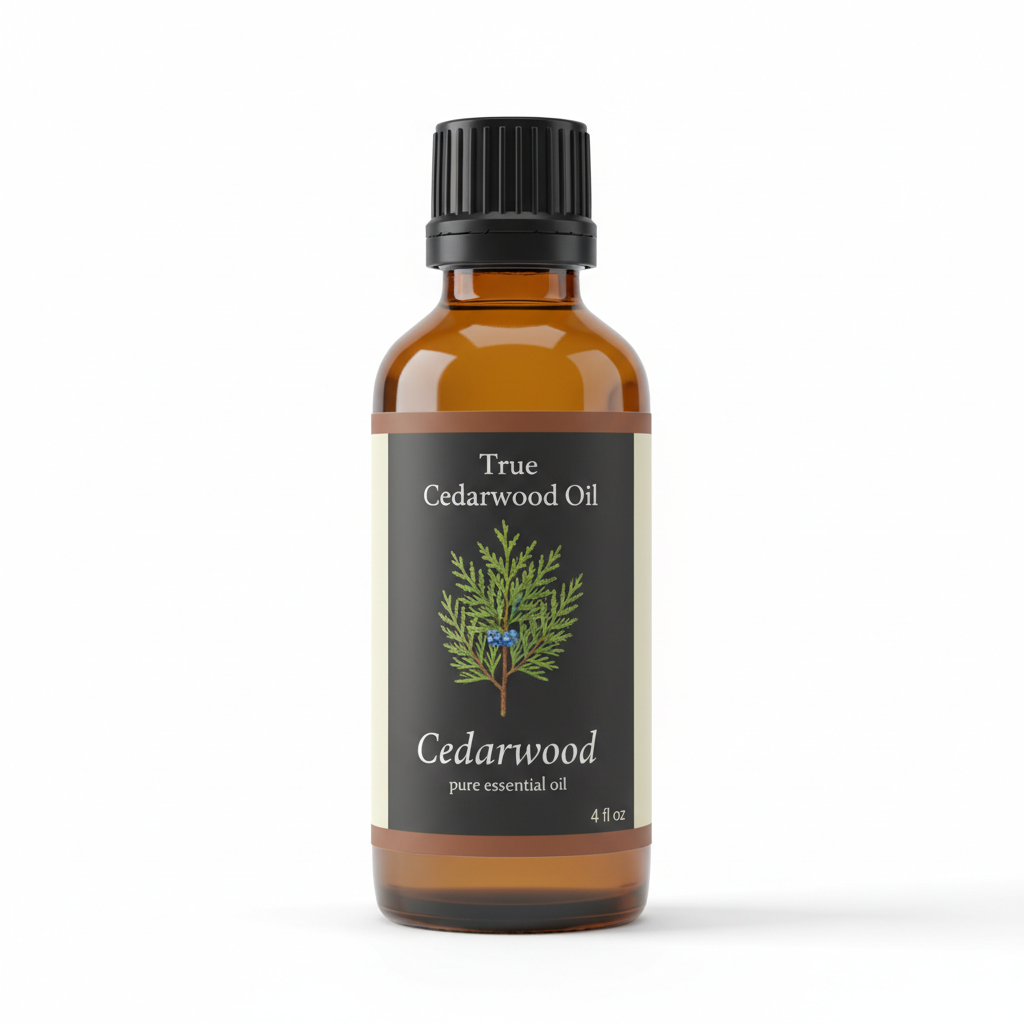
Cedarwood Essential Oil
Our own Cedarwood Essential Oil, in sizes from 0.5 oz to bulk.
From $9.99
Shop Now →Three kinds of "cedar" oil
Our four cedarwood oils are wood oils: Atlas (Cedrus atlantica) and Himalayan (Cedrus deodara), the two true cedars, and Virginian (Juniperus virginiana) and Texas, which we list as Juniperus mexicana, the two junipers. The chemistry the literature gives for each group is quite distinct.
| Name on the bottle | Tree and part | What leads the composition |
|---|---|---|
| Atlas or Himalayan cedarwood | Cedrus, wood | himachalenes and atlantones |
| Virginian or Texas cedarwood | Juniperus, wood | cedrenes, thujopsene and cedrol |
| Cedar leaf or thuja oil | Thuja occidentalis, leaves | thujone, especially early in distillation |
| Western red cedar oil | Thuja plicata, wood | methyl thujate (about 54% in seven commercial samples) |
The wood-oil rows and the Thuja plicata figure come from a 2026 review of commercial wood oils (Cedarwood Oils: The Wood Essential Oil Compositions from Trees Known as "Cedar"). The review's averages describe commercial oils in one laboratory's collection, not our bottles. Only the first two rows describe oils we sell.
Why leaf oil gets its own caution
Cedar leaf oil is rich in thujone. One 2026 study distilled fresh Thuja occidentalis leaves for up to eight hours and tracked 14 fractions. The early fractions contained 67% to 72% thujone, and the authors tied that to limits on where the oil could be used under IFRA guidelines, while longer distillation lowered it (Effect of Distillation Time on the Yield and Chemical Composition of Leaf Essential Oil from Thuja occidentalis L.). In other words, even among leaf oils, the way the oil was made changes what you are holding.
MedlinePlus names thujone as the harmful ingredient in cedar leaf oil poisoning. Swallowing it is linked to burns of the mouth and throat, vomiting, collapse and seizures, and the advice is to seek medical help straight away, to flush skin or eyes with plenty of water for at least 15 minutes, and to call Poison Help at 1-800-222-1222 in the US (Cedar leaf oil poisoning: MedlinePlus Medical Encyclopedia). Our oils are for external use only, and we never suggest anyone swallow an essential oil. The point of mentioning this is simply that a leaf oil bought by accident deserves care.
A name trap worth knowing
Do cedarwood oils contain thujone? The composition review we read does not list thujone for the Cedrus or Juniperus virginiana oils. It lists himachalenes, atlantones, cedrenes, cedrol and cis-thujopsene. The similar name is a trap: thujopsene is a different compound from thujone, and both are named after the genus Thuja. So "thuj-" in a name tells you nothing either way. We publish no thujone figure for any of our four oils, and the Certificate of Analysis we publish covers one Atlas batch with density and refractive index only. If you need a thujone figure for a formulation or a regulatory file, ask us in writing through the contact page before ordering and get the answer in writing; a GC-MS report is the document to request.
Why we make a fuss about this
It may seem like a lot of attention for one word on a bottle. We think it is worth it because the name is the first thing you see and the last thing most sellers explain. A bottle that says only "cedar" could be a wood oil that smells of pencil shavings and closet drawers, or something quite different. If you take a moment to read the Latin name, you are choosing with your eyes open, and that is all we are asking of anyone.
A quick label routine
- Look for a Latin name. "Cedarwood" alone does not separate Cedrus from Juniperus, and neither is Thuja.
- Look for the plant part. Wood is what you want from a cedarwood oil; "leaf," "foliage" or "twig" signals a different oil. If the part is missing, ask.
- Treat "cedar," "white cedar," "thuja" and "cedar leaf" with care on a label meant to be cedarwood.
- For skin or fragrance work, ask for the GC-MS and the current IFRA standard for that specific oil.
For our oils, we recommend 0.5% to 2% in a carrier oil, about 3 to 12 drops per ounce, with a patch test first, and we lean toward the low end because we have not been able to verify a published maximum for cedarwood oils. Our family guide introduces the four, the safety article covers who needs extra care, the GC-MS post explains the reports, and what cedarwood oil is covers the basics.
Keep a simple record
When a new bottle arrives, put the Latin name, the plant part and the date on a small label or in a notebook. Open the bottle and smell it, and add a few words of your own: dry, sweet, sharp, soft. Then, when you reach for it six months from now, you will know exactly what it is without having to hunt for the box. It is a small habit that saves a lot of second-guessing, especially if you keep more than one cedar-named oil on the shelf.
Next time a bottle says "cedar," read the Latin name and the plant part first and the brand second.
Cedarwood Essential Oil
Cedarwood Essential Oil from our own shop, in sizes from 0.5 oz to bulk.
From $9.99
Shop Now →Sources & Further Reading
- Setzer and Satyal, 2026. Cedarwood Oils: The Wood Essential Oil Compositions from Trees Known as "Cedar". Plants (Basel). Europe PMC 41754364
- Park et al., 2026. Effect of Distillation Time on the Yield and Chemical Composition of Leaf Essential Oil from Thuja occidentalis L. Plants (Basel). Europe PMC 42357204
- MedlinePlus. Cedar leaf oil poisoning: MedlinePlus Medical Encyclopedia. medlineplus.gov