Cedarwood Oil Safety: Skin, Kids, Pets and Pregnancy
Cedarwood oil is one of the easier essential oils to live with, and like every concentrated aromatic it rewards a few good habits. Dilute it, store it properly, keep it away from the people and animals who should not be near it, and you have covered most of what matters. Here is how we think about it, group by group.
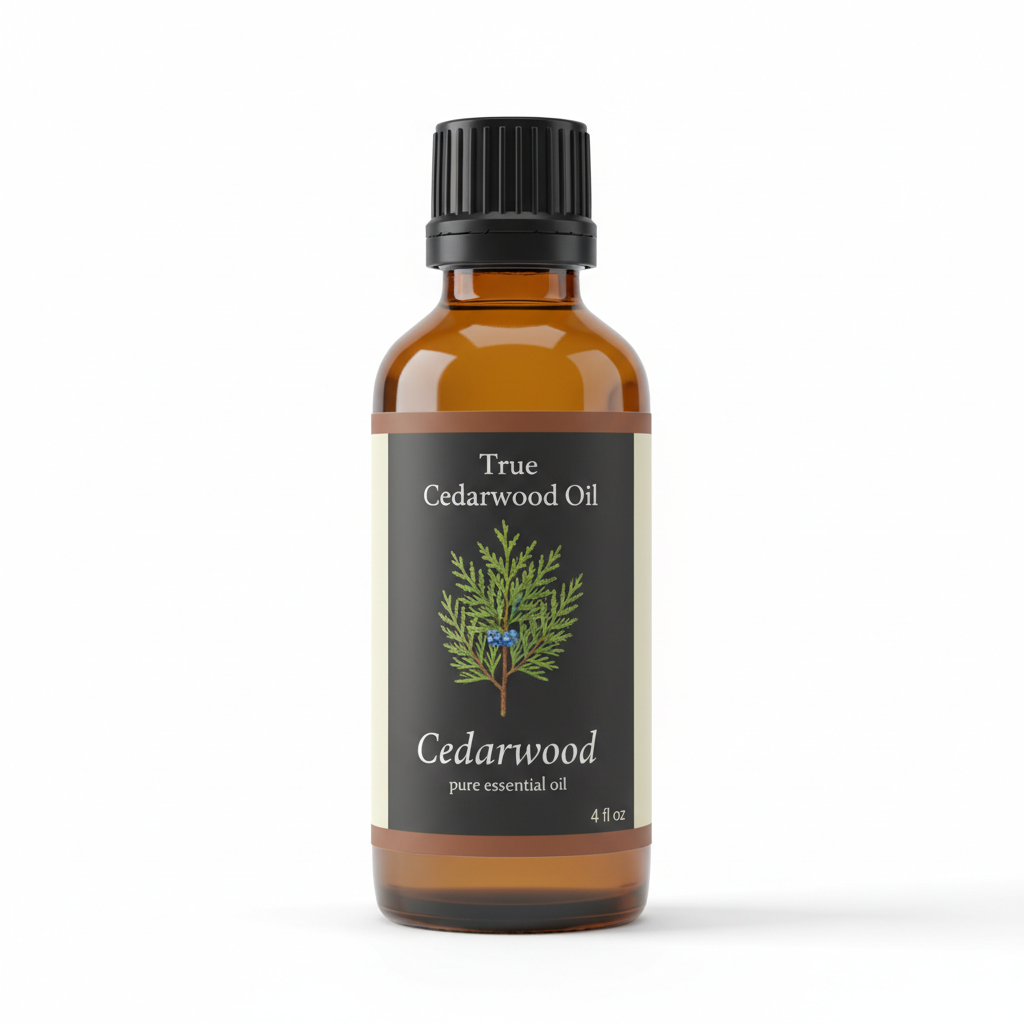
Cedarwood Essential Oil
Our own Cedarwood Essential Oil, in sizes from 0.5 oz to bulk.
From $9.99
Shop Now →First, know which cedarwood you have
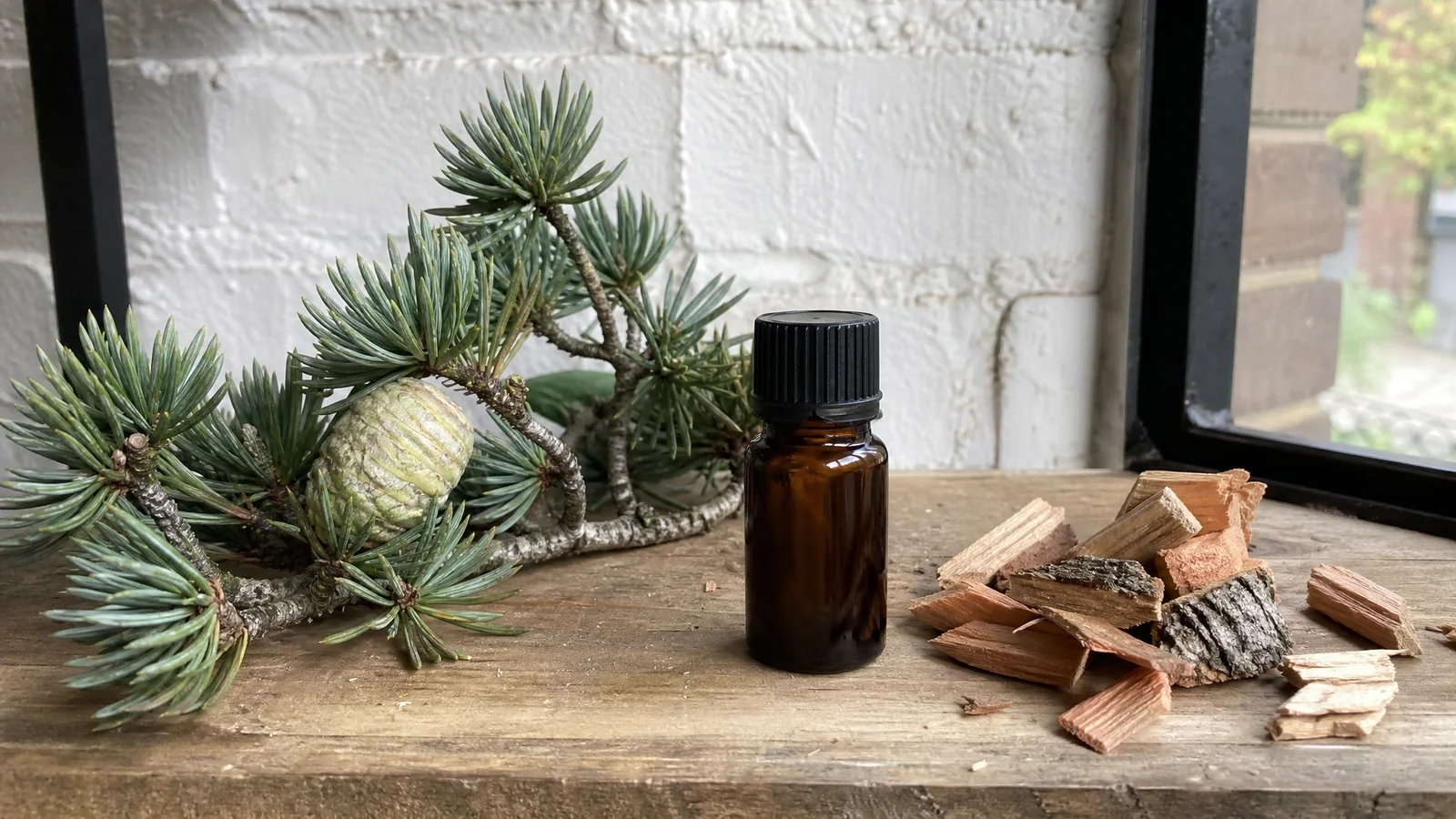
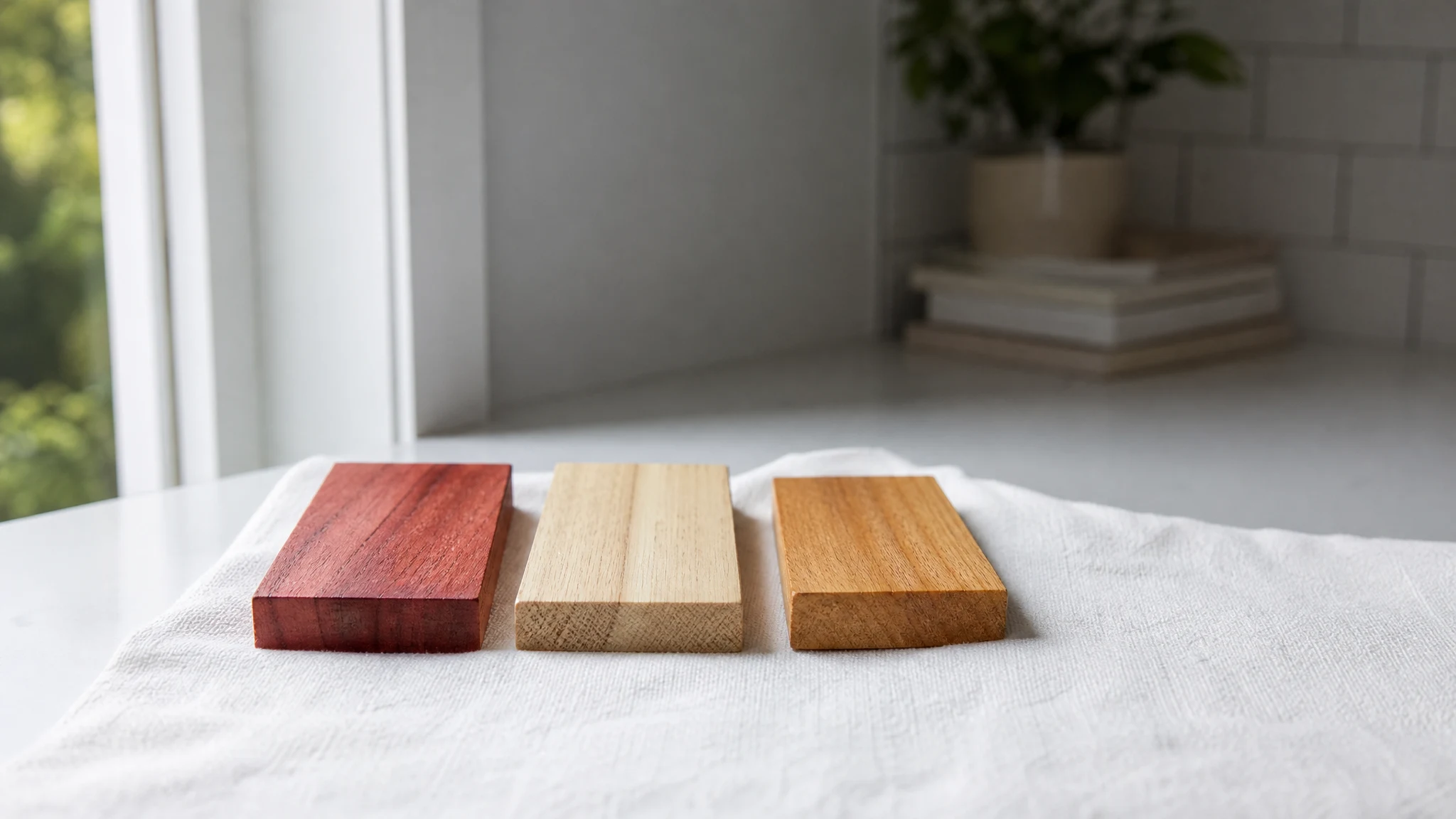
Safety papers often say simply "cedarwood", and that can mean different trees. We sell four oils: Atlas and Himalayan from true cedars, and Virginian and Texas from junipers. They share some features and differ in others, so a limit worked out for one is not automatically right for another. A 2025 review also warns that western red cedar (Thuja plicata) oil is sometimes mislabelled as cedarwood and contains thujone, which is why it is kept out of the cedarwood group. We sell none of it.
A simple routine before the first use
When a new bottle arrives, we would suggest a short ritual. Read the Latin name on the label so you know which cedarwood is in your hand, and write the date on the bottle. Work out your blend on paper before you reach for the dropper, and make a small amount rather than a large one. Wash your hands after handling the neat oil, and keep the cap on between uses. It takes about two minutes, and it turns safety from something you worry about into something you simply do.
Skin
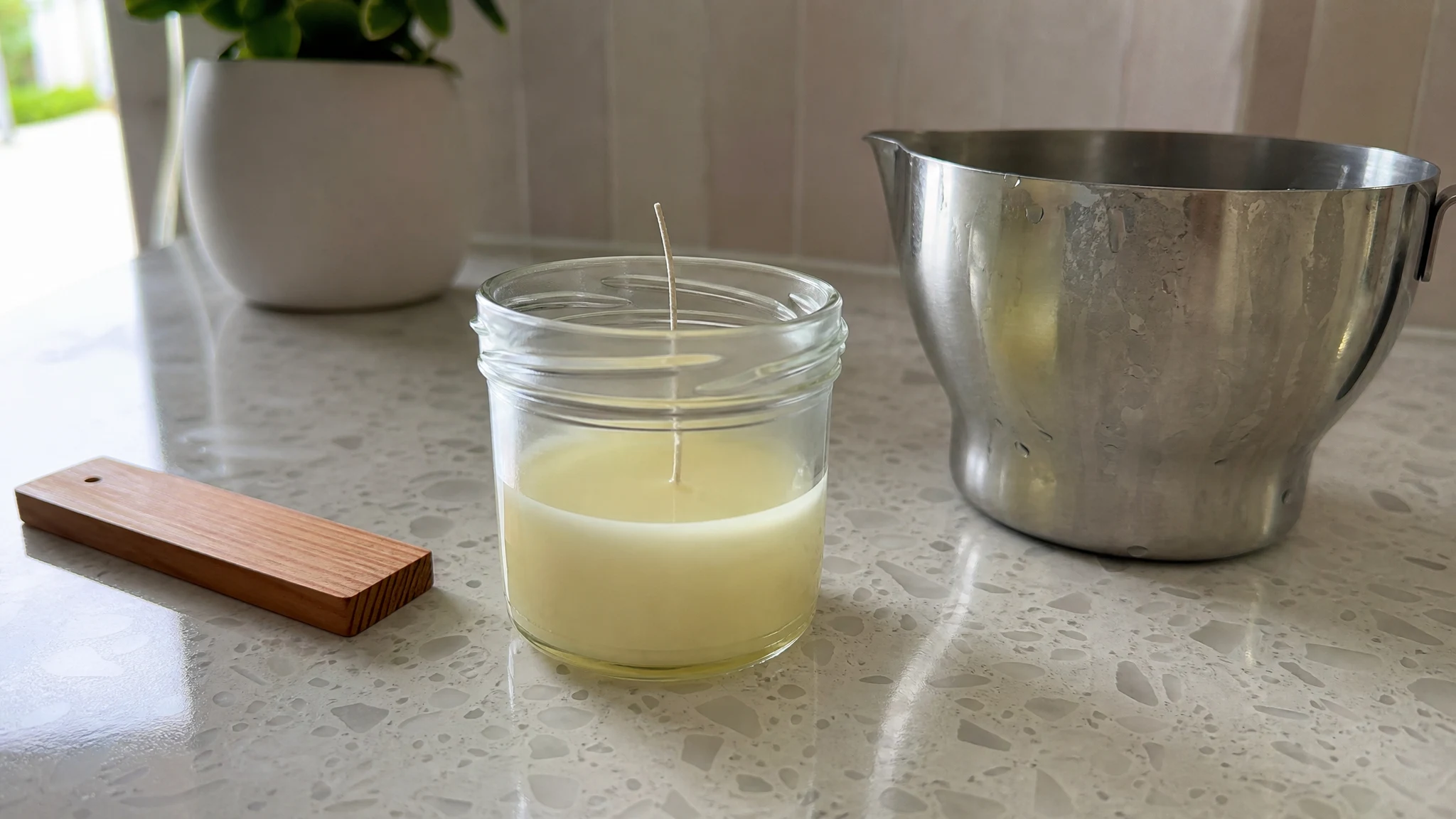
Our oils are sold neat and are for external use only, so the dilution is yours to make. Our guidance is 0.5 to 2 percent in a carrier oil, which is roughly 3 to 12 drops per ounce, with a patch test first. We would start near the bottom of that range. The reasons are straightforward. The Tisserand Institute lists 0.2 to 1 percent for sensitive skin, 0.5 to 1.2 percent for faces and 1 to 3 percent for body oils as general ranges for essential oils. A 13-week study of Virginia cedarwood oil on rat and mouse skin found changes at the application site and calculated lower-bound doses of 0.65 to 2.1 percent for its most sensitive findings. That was animal skin and an ethanol vehicle, so it is a prompt to be careful rather than a prediction. A review of cedarwood oils also links skin sensitization to oxidized oil and over-strong dilutions, so fresh oil and a modest percentage are the sensible pairing.
Stop using a blend if you notice itching, redness or a rash, and wash the area. If you have eczema, a fragrance allergy or any skin condition, ask a dermatologist or allergist first. Our patch testing article and dilution guide go through the details.
Children
Poison Control puts it simply: misuse of essential oils can cause serious poisoning. The practical rule is the one we print on our products: keep the bottle out of sight and reach of children, and never let anyone swallow it. If a child gets into a bottle, call poison control straight away (in the United States, 1-800-222-1222). Our article on children covers storage in more detail.
Pets
Pet Poison Helpline says essential oils can affect all species, with cats and birds at the greatest risk, and it lists cedar among the oils that can cause poisoning. Signs include drooling, vomiting and lethargy. If you share your home with a pet, particularly a cat or a bird, keep oils, diffusers and anything freshly scented out of their reach and ask your veterinarian before you scent a shared room. We go into this in the articles on cats and dogs.
Pregnancy, nursing and medical conditions
We suggest setting cedarwood oil aside during pregnancy as a precaution, and we recommend consulting your physician before using essential oils if you are pregnant, nursing or have a medical condition. The 2025 review notes major gaps in the research on reproductive and developmental safety, which is part of why that advice is deliberately cautious. Your doctor or midwife is the right person for a specific answer, and our pregnancy article explains what the sources say.
Storage
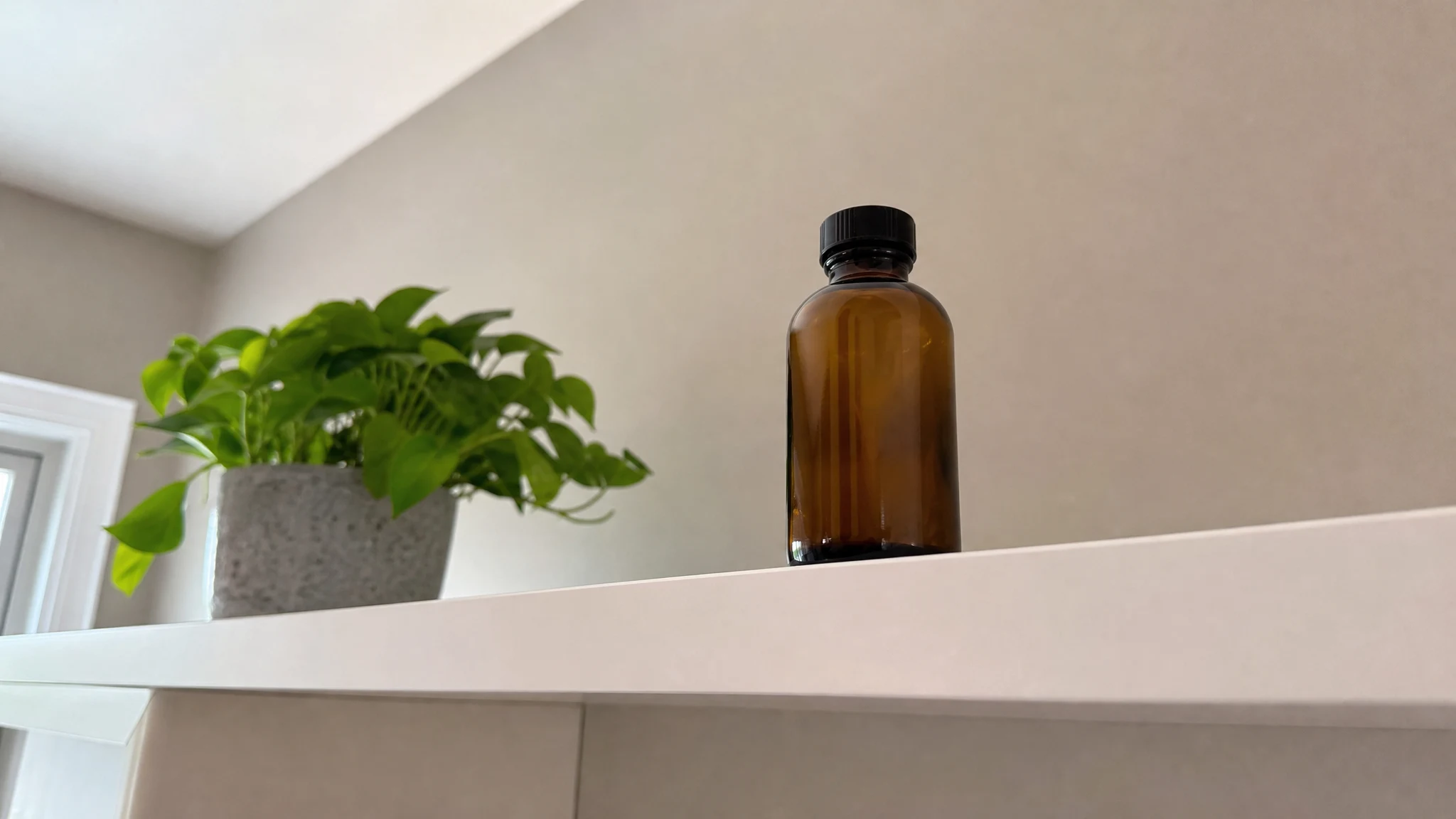
Oxygen, light and heat age essential oils, so we recommend keeping the bottle tightly capped in a cool, dark place. Our shop lists shelf lives of roughly three to six years depending on the oil. An aged, oxidized oil is a good candidate to retire from skin use, which is another reason to buy a size you will actually use. Our storage article has more.
Around the house
Think about where the bottle lives and where a blend ends up. A high shelf in a cupboard with a latch beats a bathroom counter. A diffuser belongs in a room you can ventilate, and a small amount for a short session is a gentler habit than a long one. Wipe up spills promptly, since neat oil on a hard surface is slippery and strongly scented. If you share a space with housemates or visitors, a quick mention of what is on the shelf is a kindness, particularly where there are young children or pets.
What we do not claim
Our oils are cosmetic and aroma materials, not remedies, and we make no health claims for them. Our product pages carry the standard statement that these claims have not been evaluated by the FDA and that the products are not intended to diagnose, treat, cure or prevent any disease.
A little care goes a long way with cedarwood, and once the habits are in place the oil is simple to enjoy.
Cedarwood Essential Oil
Cedarwood Essential Oil from our own shop, in sizes from 0.5 oz to bulk.
From $9.99
Shop Now →Sources & Further Reading
- Goncalves S. Cedarwood essential oil (Cedrus spp.): a forgotten pharmacological resource with emerging therapeutic potential. Exploration of Drug Science, 2025.
- Catlin NR et al. Dose-response assessment of the dermal toxicity of Virginia cedarwood oil in F344/N rats and B6C3F1/N mice. Food and Chemical Toxicology, 2016.
- Tisserand Institute. Dilution for essential oils.
- Poison Control. Essential oils: Poisonous when misused.
- Pet Poison Helpline. Essential Oils.