Cedarwood Oil and Cats: What Cat Owners Should Know
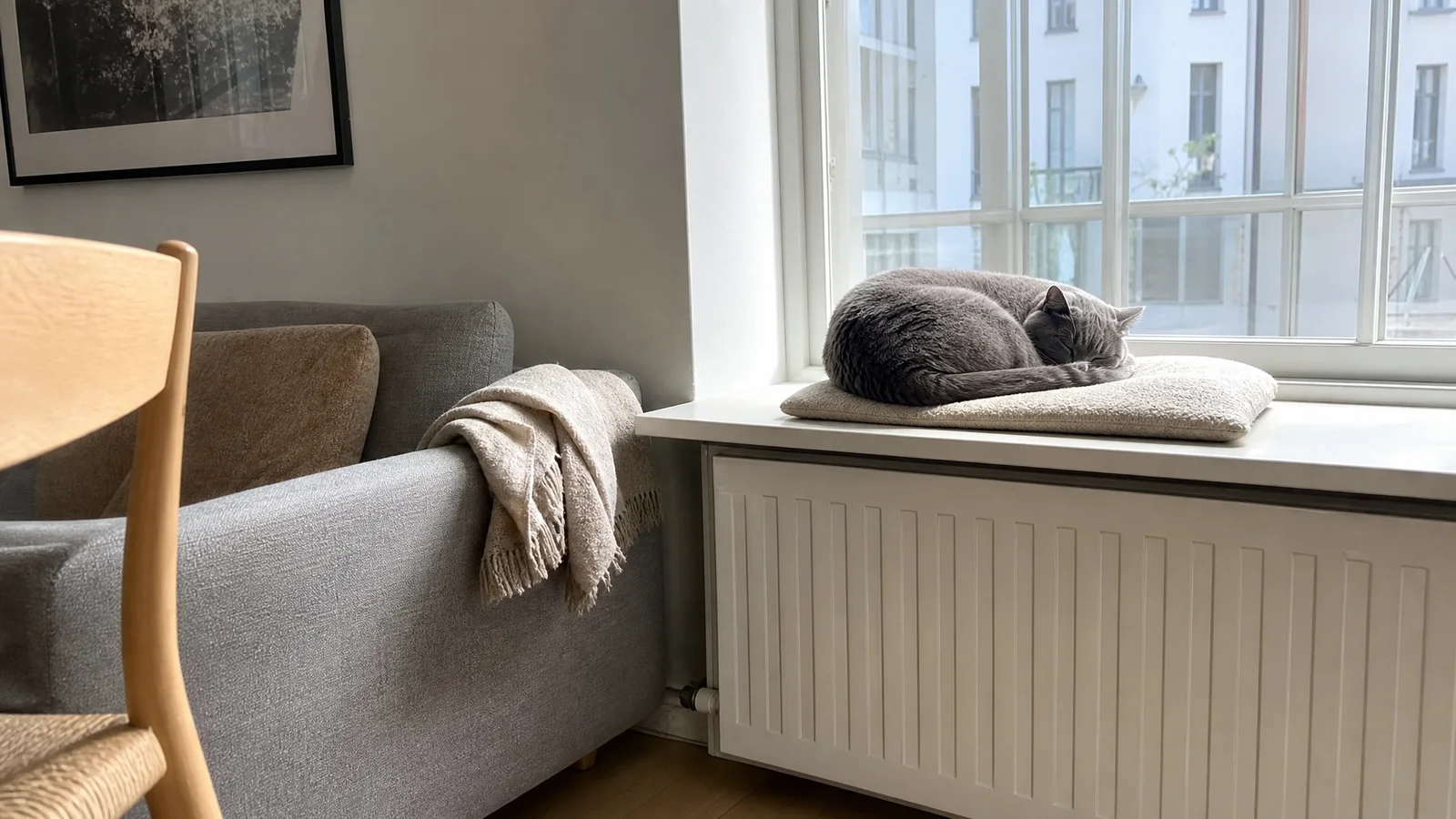
A cat lives by its nose, and a bottle of cedarwood oil lives by its scent, so the two need a careful introduction. Veterinary poison specialists say essential oil poisoning can affect any species but that cats and birds are at the greatest risk, and they list cedar among the oils that have caused it. Our oils are made for people and for external use, so here is how we think about sharing a home with a cat.
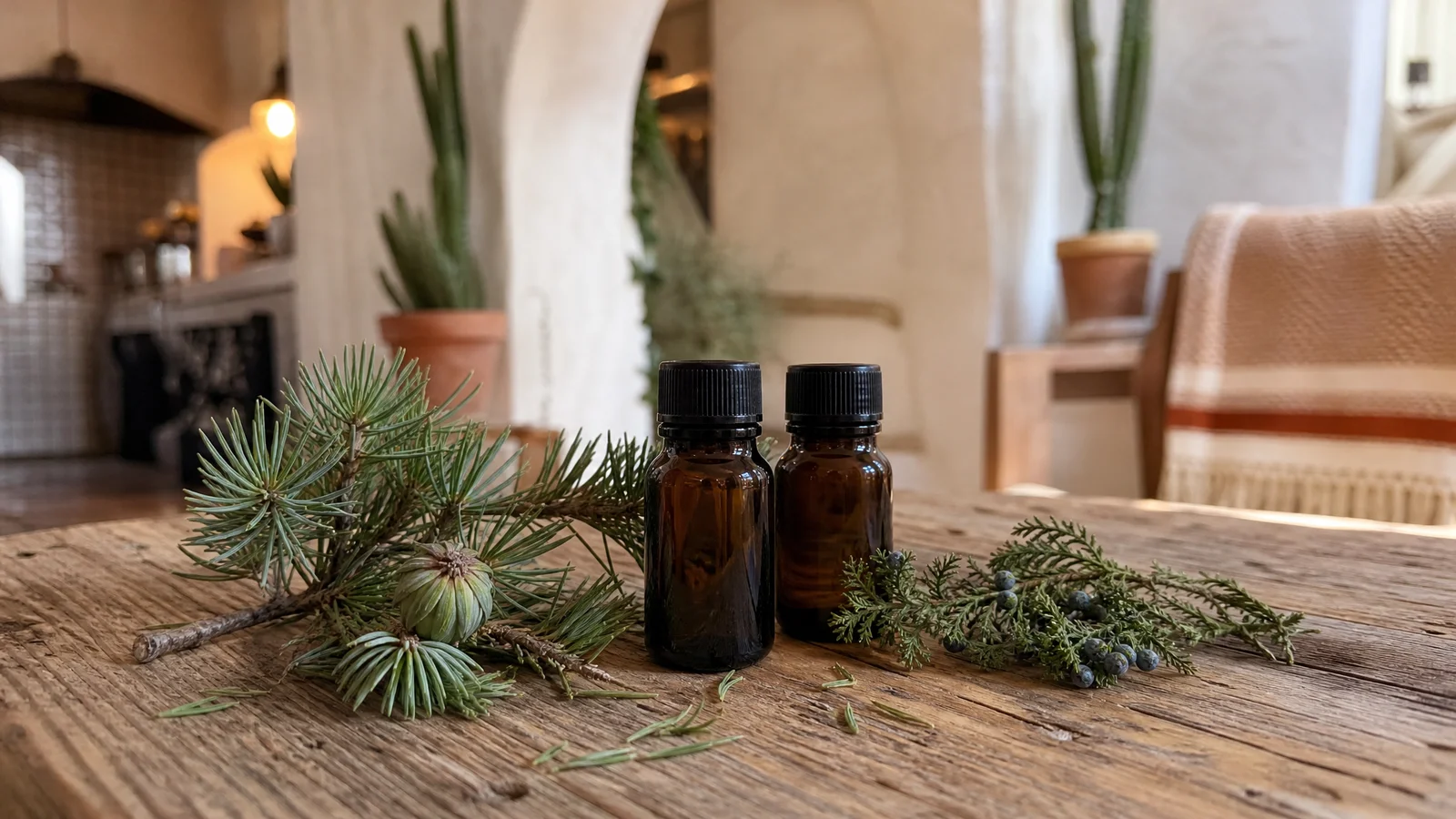
Cedarwood Essential Oil
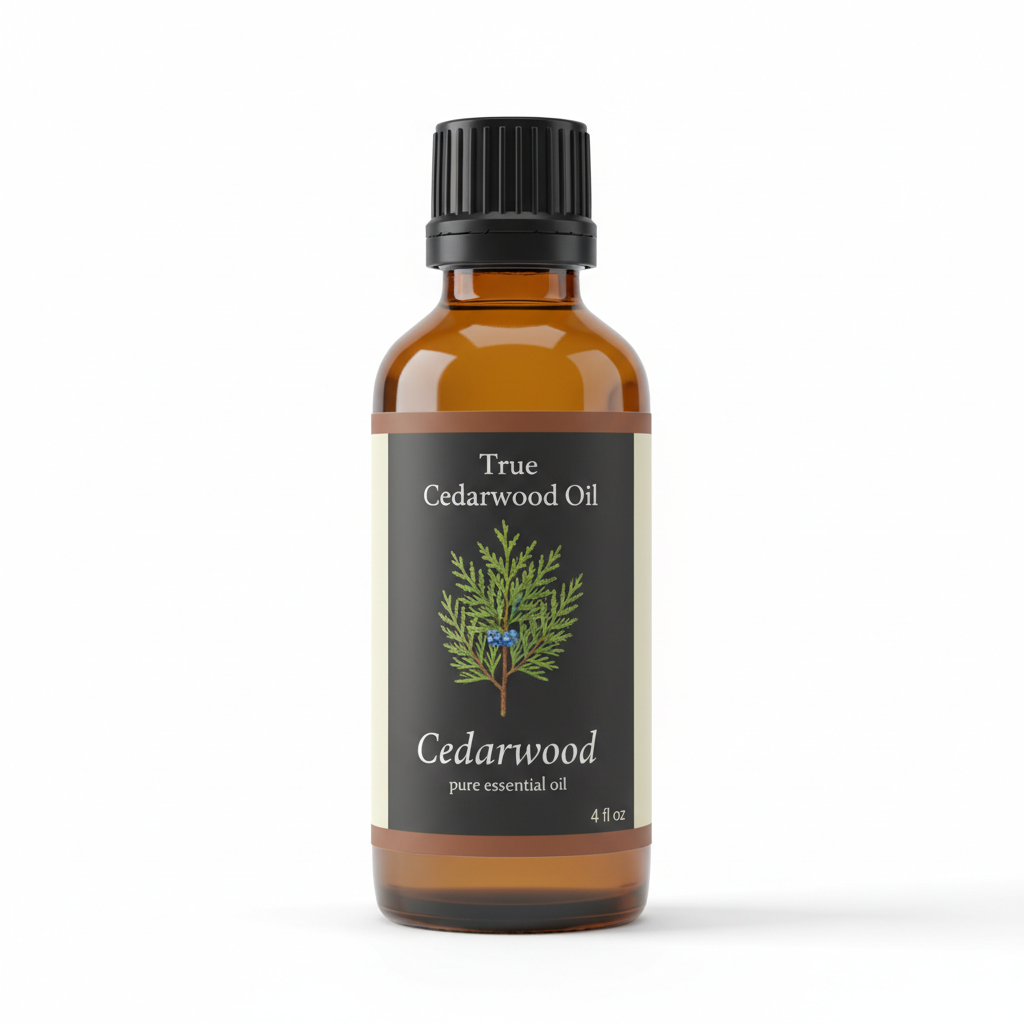
Our own Cedarwood Essential Oil, in sizes from 0.5 oz to bulk.
From $9.99
Shop Now →What the poison specialists say
The Pet Poison Helpline describes the usual signs of essential oil poisoning as drooling, vomiting, lethargy, loss of appetite and irritation of the skin, mouth or airways, typically showing within 6 to 8 hours. It ranks the routes of exposure from highest concern to lowest: swallowing first, then skin contact, then breathing the vapour. It also notes that high-concentration exposures worry vets far more than low-concentration ones, and that toxicity varies a great deal from one oil to the next (Essential Oils | Pet Poison Helpline).
That ranking is the most useful idea for a cat household. A cat grooms its coat, so anything that lands on fur ends up in the mouth sooner or later. In practice, a drop on fur, a splash on a favourite blanket or a puddle on a shelf counts as the swallowing route, not the gentle one.
Why cats are treated differently
Cats process some compounds unlike dogs and people. A 2014 veterinary study measured how well cat liver tissue attaches glucuronic acid to test substances, one of the body's routes for clearing foreign compounds, and found very little activity compared with dog liver. The authors concluded that cats probably lack working versions of two of the human enzymes involved, so the question has to be asked substance by substance (Comparing the glucuronidation capacity of the feline liver with substrate-specific glucuronidation in dogs). The study used drug-like test substances, not cedar compounds, so it explains why caution makes sense rather than telling us what cedarwood does in a cat.
A European Food Safety Authority panel puts numbers on the same instinct. Assessing a Texas cedarwood oil as a flavouring in animal feed, it set a maximum safe level of 15 mg/kg of complete feed for dogs and 4 mg/kg for cats, roughly a quarter of the dog figure. It also classed the oil as an irritant to skin and eyes and a skin and respiratory sensitiser (Safety and efficacy of a feed additive consisting of an essential oil obtained from the wood of Juniperus deppeana Steud. (cedarwood Texas oil) for use in all animal species (FEFANA asbl)). That is a food-level allowance for one oil, not a household guideline, but the direction of the gap is clear: cats get the lower number.
What real cases look like
The best case series involves plant-oil flea products rather than cedarwood on its own. Poison-centre calls from 2006 to 2008 covered 39 cats and 9 dogs, and 36 of the 39 cats had at least one adverse effect, most often agitation and heavy drooling. Most signs began within 24 hours, and about three quarters of the animals had been exposed according to the label directions (Adverse reactions from essential oil-containing natural flea products exempted from Environmental Protection Agency regulations in dogs and cats). Those were calls to a poison centre, so they show what can happen rather than how often. The lesson we take from them is that following a label is not the same as being safe for a cat. Cedarwood is not a flea product, and our flea article explains why we steer clear of that topic.
Keeping cedarwood and a cat in the same house
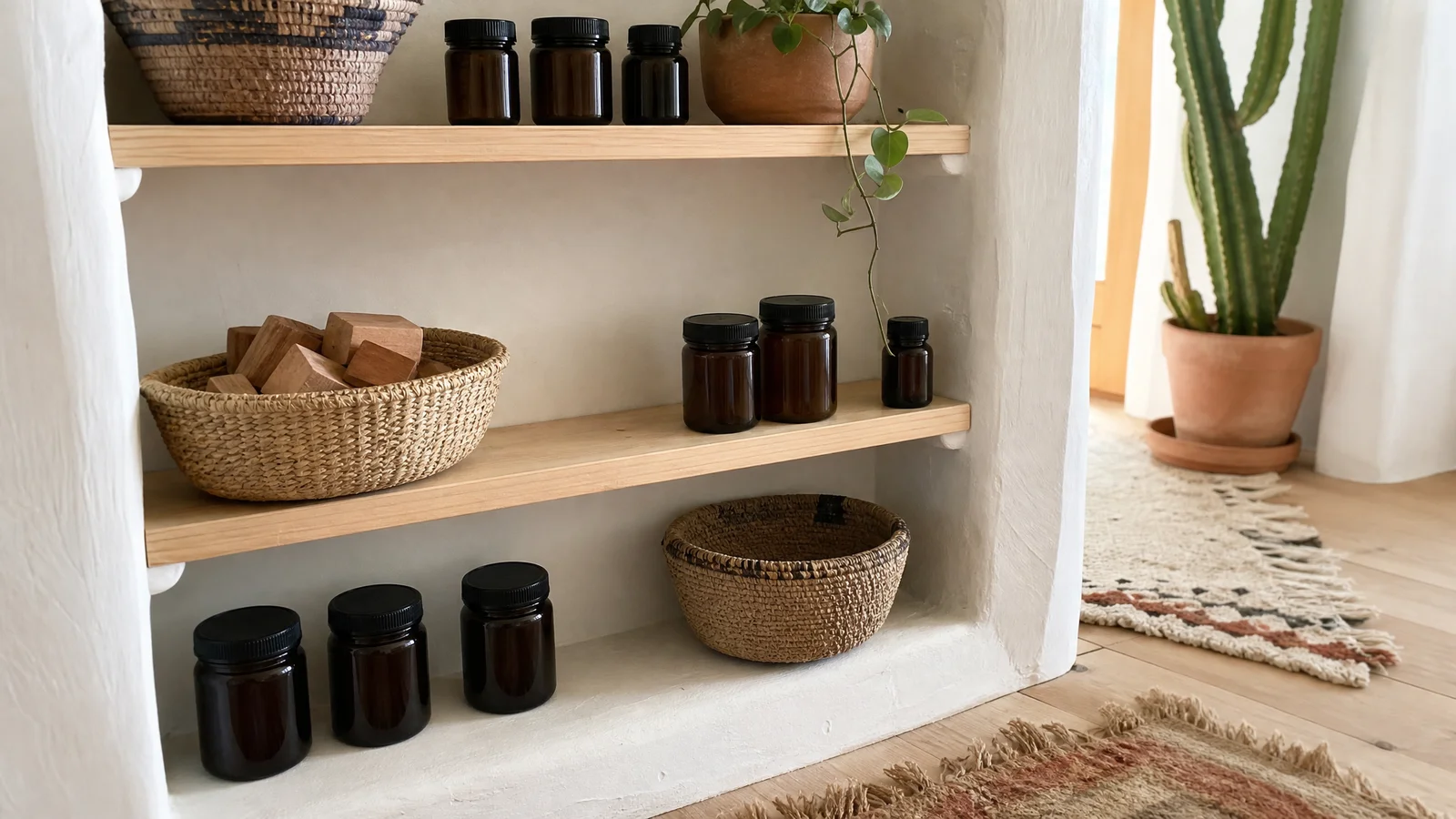
- Store the bottle capped and closed away. Our guidance for all four oils is to keep them away from children and pets, and a cat that jumps onto shelves is a good reason to take that literally. Our storage article covers the cool, dark part.
- Keep oil off the cat. That includes diluted oil. Nothing we have read supports putting cedarwood on a cat's coat at any strength.
- Wash your hands after handling neat oil before you stroke or feed the cat.
- Wipe spills straight away and keep cloths out of the cat's reach until they are washed.
- Give the cat an exit. If you diffuse, a cat should be able to leave the room and a closed door is the wrong setup. Our diffuser article goes through the room side of things, and birds and other small pets are a question for your vet.
Enjoying the scent in a cat-free corner
If you love the smell of cedar, you can keep it in the part of the house the cat does not use. Open a bottle and you will notice how long the scent clings to your fingers, the cap and any cloth you wipe with. That staying power is part of the charm, and it is also a reason to handle the bottle at a counter you can clean, with the cat shut out for the few minutes it takes, then wash your hands and put it away before the cat comes back to greet you.
If your cat has been exposed
Call your veterinarian or an animal poison line first. The Pet Poison Helpline's medical line is (855) 764-7661. The helpline advises moving an animal that has breathed vapour into fresh air and says not to induce vomiting, because oil drawn into the lungs is a hazard of its own. It lists bathing with liquid dish detergent for skin exposure and early dilution with water or food after swallowing, but a professional should confirm what suits your cat before you act. Bring the bottle so the clinic can see exactly which oil it was, since signs can take hours to appear.
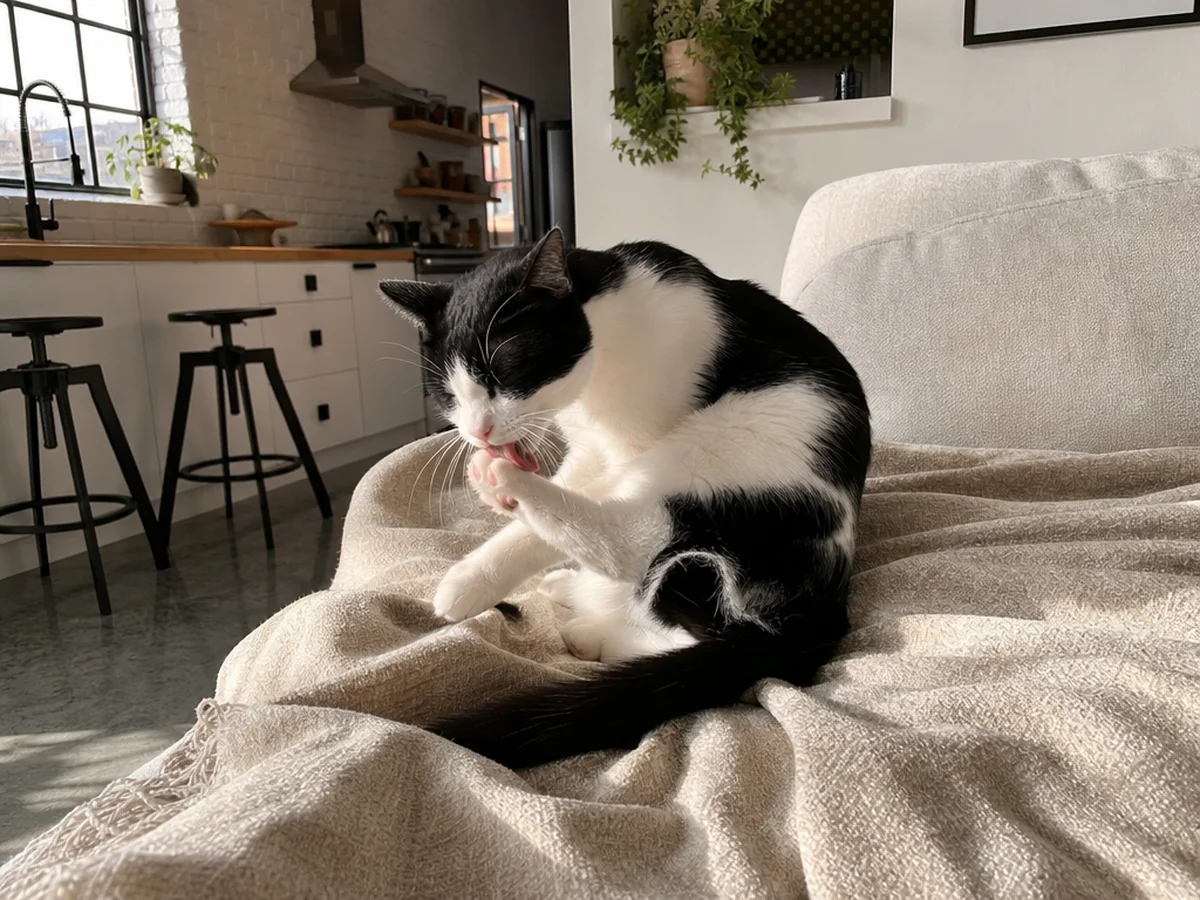
Plenty of cat owners enjoy cedar scent in the home. The habit that matters is treating the bottle, the diffuser and the spills as part of the cat's environment, and asking your vet whenever something falls outside what we have described. Our note on dogs and our general safety overview cover the other members of the household.
Cedarwood Essential Oil
Cedarwood Essential Oil from our own shop, in sizes from 0.5 oz to bulk.
From $9.99
Shop Now →Sources & Further Reading
- Essential Oils | Pet Poison Helpline
- Comparing the glucuronidation capacity of the feline liver with substrate-specific glucuronidation in dogs (van Beusekom et al., J Vet Pharmacol Ther, 2014)
- Safety and efficacy of a feed additive consisting of an essential oil obtained from the wood of Juniperus deppeana Steud. (cedarwood Texas oil) for use in all animal species (FEFANA asbl) (EFSA Panel on Additives and Products or Substances used in Animal Feed, EFSA J, 2024)
- Adverse reactions from essential oil-containing natural flea products exempted from Environmental Protection Agency regulations in dogs and cats (Genovese et al., J Vet Emerg Crit Care, 2012)