Does Cedarwood Oil Work on Fleas? Evidence and Safety
A flea bite is small, but a flea problem is a household problem, and that is exactly why so many people reach for something that smells good and promises to solve it. Cedarwood oil comes up often. We love cedarwood for its scent, so it is worth saying plainly what the evidence supports and where the better tools are.

Cedarwood Essential Oil
Our own Cedarwood Essential Oil, in sizes from 0.5 oz to bulk.
From $9.99
Shop Now →Most of the flea population is not on the pet
The University of California's pest notes lay out a life cycle that explains why sprays and collars aimed at the animal only reach part of the picture. A female lays about 20 to 50 eggs a day, and they hatch in about 2 to 5 days. Larvae live in protected spots where the relative humidity is at least 75 percent, and at cool temperatures fully formed fleas can stay in their cocoons for up to 12 months. Because eggs fall off the pet into bedding and carpet, the stages that matter most are in the home.
The practical conclusion is ours, reasoned from that biology: whatever you use on the animal, the room needs attention too. A pleasant scent in the air does not reach a cocoon in carpet fibre.
What we found about cedarwood and fleas
We searched Europe PMC on 5 November 2026 for cedarwood or cedar oil together with fleas or the cat flea, Ctenocephalides felis. No study of cedarwood oil on fleas came up. Cedarwood has been studied on other arthropods, and the claims you see online often borrow from those results. A USDA team found that a cedarwood oil made with carbon dioxide turned ticks away from treated filter paper in the lab, with the effect fading over time. Ticks are arachnids and fleas are insects, and filter paper is not a dog, so carrying that result across is a guess, not a finding. We sell steam-distilled cedarwood oils as fragrance and craft materials, and we do not offer them for pests of any kind.
The pet-safety record deserves a look
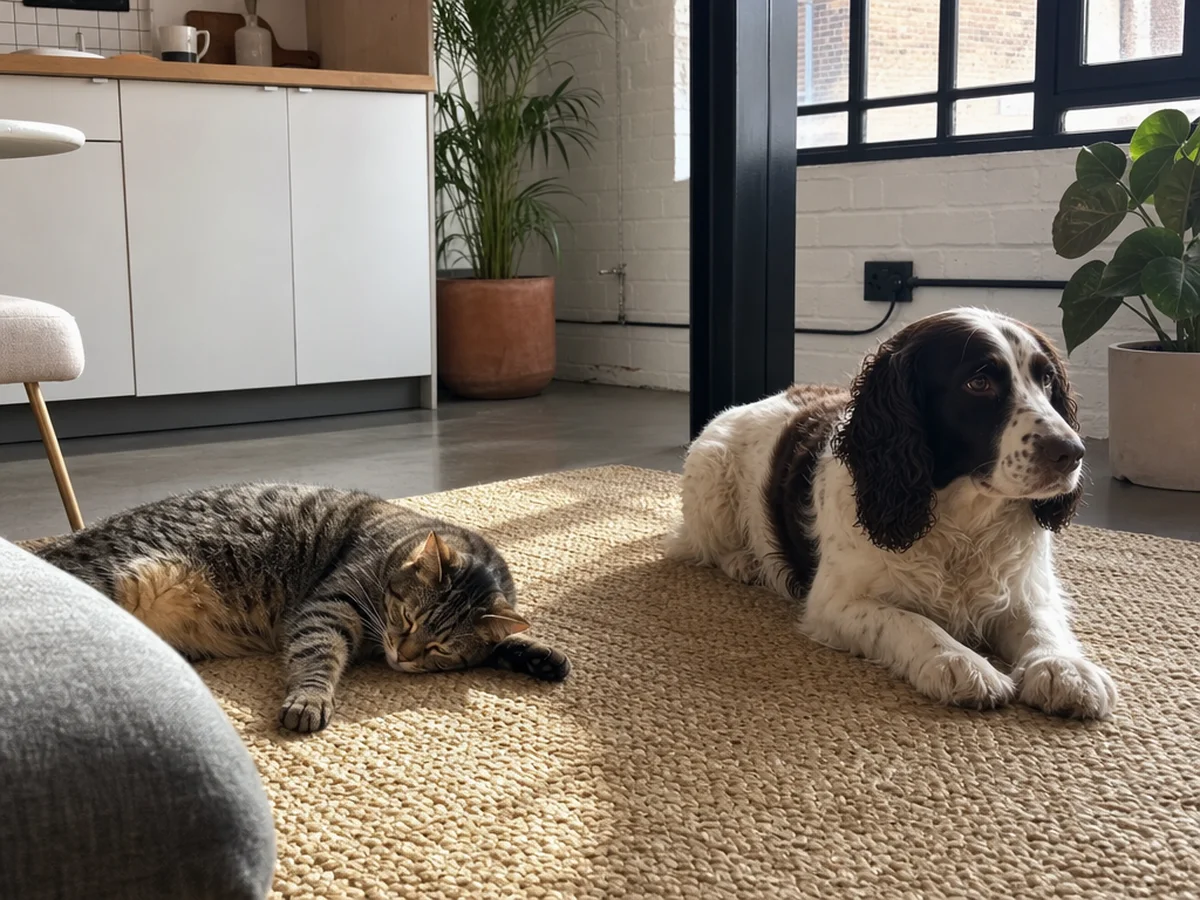
The better-documented question is not whether plant-oil flea products work but how animals fare with them. A veterinary study reviewed 48 animals (39 cats and 9 dogs) reported to the ASPCA Animal Poison Control Center between 2006 and 2008 after exposure to flea products made with essential oil mixtures. Ninety-two percent showed one or more adverse effects, and most of those signs started within 24 hours. About three in four animals had been treated as the label directed. Half of those with known outcomes recovered with bathing alone, others needed fluids or medication, and three died or were euthanized. Cats were more often agitated and drooling, dogs more often lethargic and vomiting. The authors concluded that these products can cause significant harm even when used as directed.
That is a case series of animals already reported to a poison center, so it cannot give a rate of harm for all pets, and it covers commercial products, not any single oil. It is still the main body of evidence on the question, and it points in one direction. Our guides on cedarwood oil and cats and cedarwood oil and dogs go further into why animals handle oils differently from us.
What the extension advice says to do
The UC pest notes put vacuuming at the center: floors, rugs, carpets, upholstered furniture and crevices daily or every other day, plus washing pet bedding in hot, soapy water at least once a week. Vacuum vibration encourages cocoons to hatch, which is useful because it brings fleas out where regular cleaning can reach them, so keep it up for several weeks. The same pages advise calling your veterinarian to choose the best flea-control product for your situation, and note that herbal collars and ultrasonic devices are not effective flea repellents.
It is also worth knowing why fleas are worth taking seriously. The CDC says their bites can cause discomfort, itching and irritation, and that fleas can sometimes pass germs to people and pets. If bites worry you, a pharmacist or physician is the right contact.
What a flea-free home asks of you
If you are dealing with fleas, the routine is more about stamina than about any one product. Pick a time of day for the vacuum, empty the bag or canister outside afterwards, and wash the pet's bedding on the same day each week so you do not lose track. It is dull work, and it is the part that matters. A written calendar on the fridge makes it easier to keep going for the several weeks the extension advice describes.
Cedar can come back into the picture once the problem is over, as a scent for the house. A freshly cleaned room with a faint woody note in a closed cupboard is a very pleasant place to be, as long as the bottle itself stays where the animals cannot reach it.
Where cedarwood belongs
Cedarwood oil shines as a scent. Its woody, pencil-shaving character is why people like it in diffusers and homemade blends, and if you want to read more about the pest claims, our overview of cedarwood and insects covers each study. Keep the oil away from pets and out of their reach, and let the vet and the vacuum handle the fleas.
Cedarwood Essential Oil
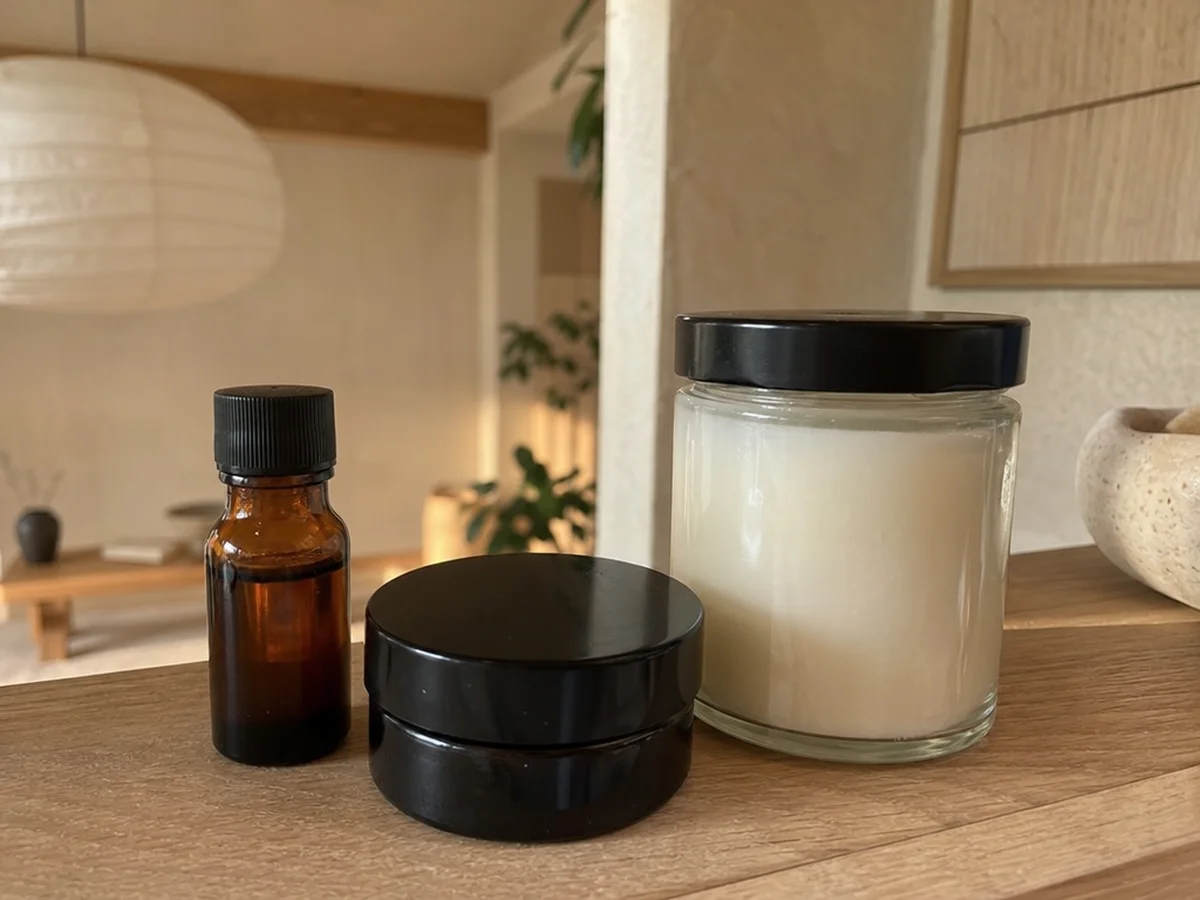
Cedarwood Essential Oil from our own shop, in sizes from 0.5 oz to bulk.
From $9.99
Shop Now →Sources & Further Reading
- Fleas / Home and Landscape / UC Statewide IPM Program (UC IPM)
- Adverse reactions from essential oil-containing natural flea products exempted from Environmental Protection Agency regulations in dogs and cats (Genovese et al., J Vet Emerg Crit Care, 2012)
- Repellency and toxicity of a CO2-derived cedarwood oil on hard tick species (Ixodidae) (Flor-Weiler et al., Exp Appl Acarol, 2022)
- About Fleas (CDC)