Cedarwood Oil and Ticks: Prevention Steps That Matter
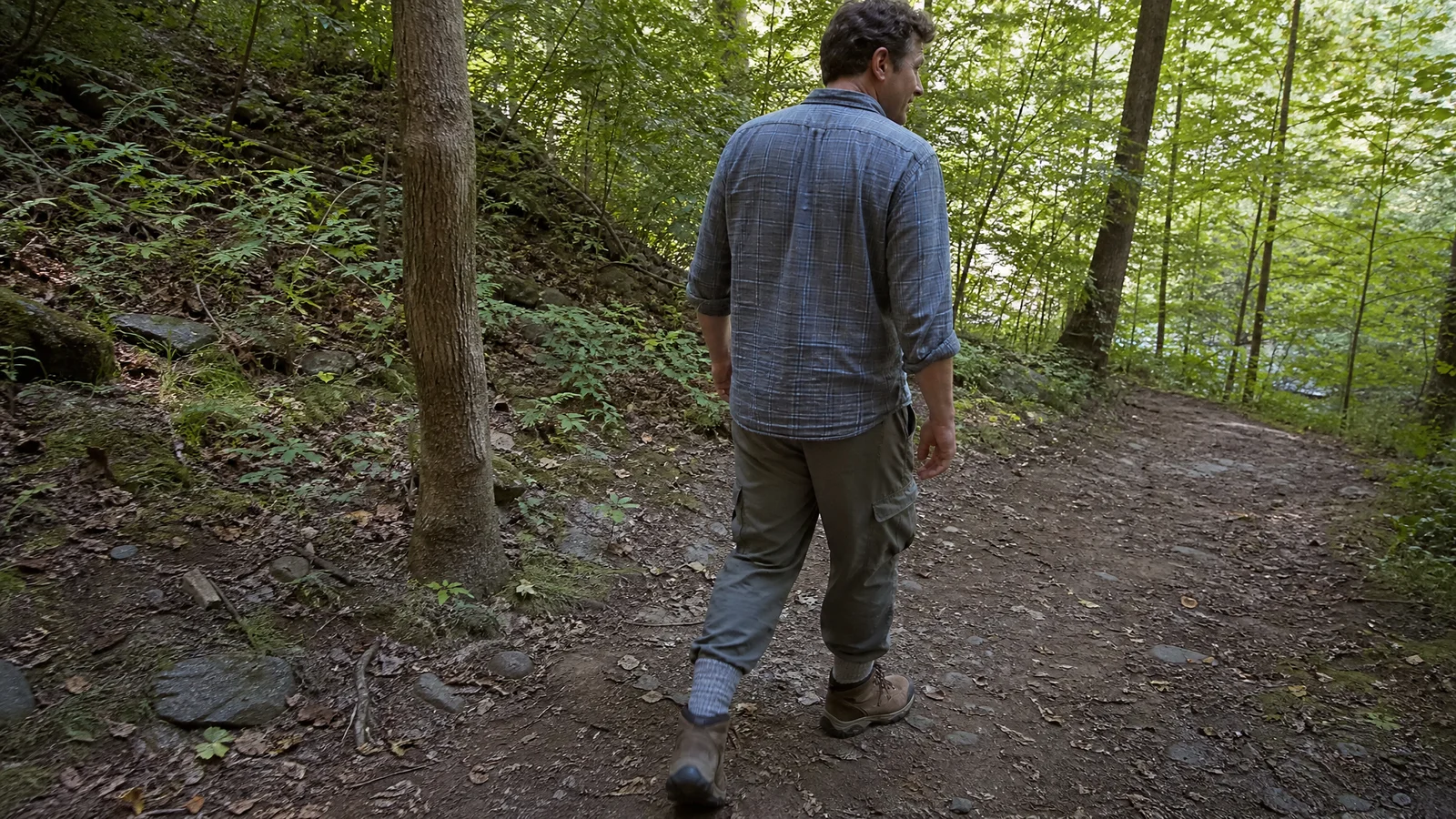
Picture a good day outdoors: boots on, a trail through tall grass, a picnic at the top. The part of that day that deserves planning is the part nobody photographs, which is the tick check afterward. Cedarwood oil gets mentioned in a lot of outdoor advice, so we walked through the day in the order the CDC does and found where the cedarwood research actually belongs.
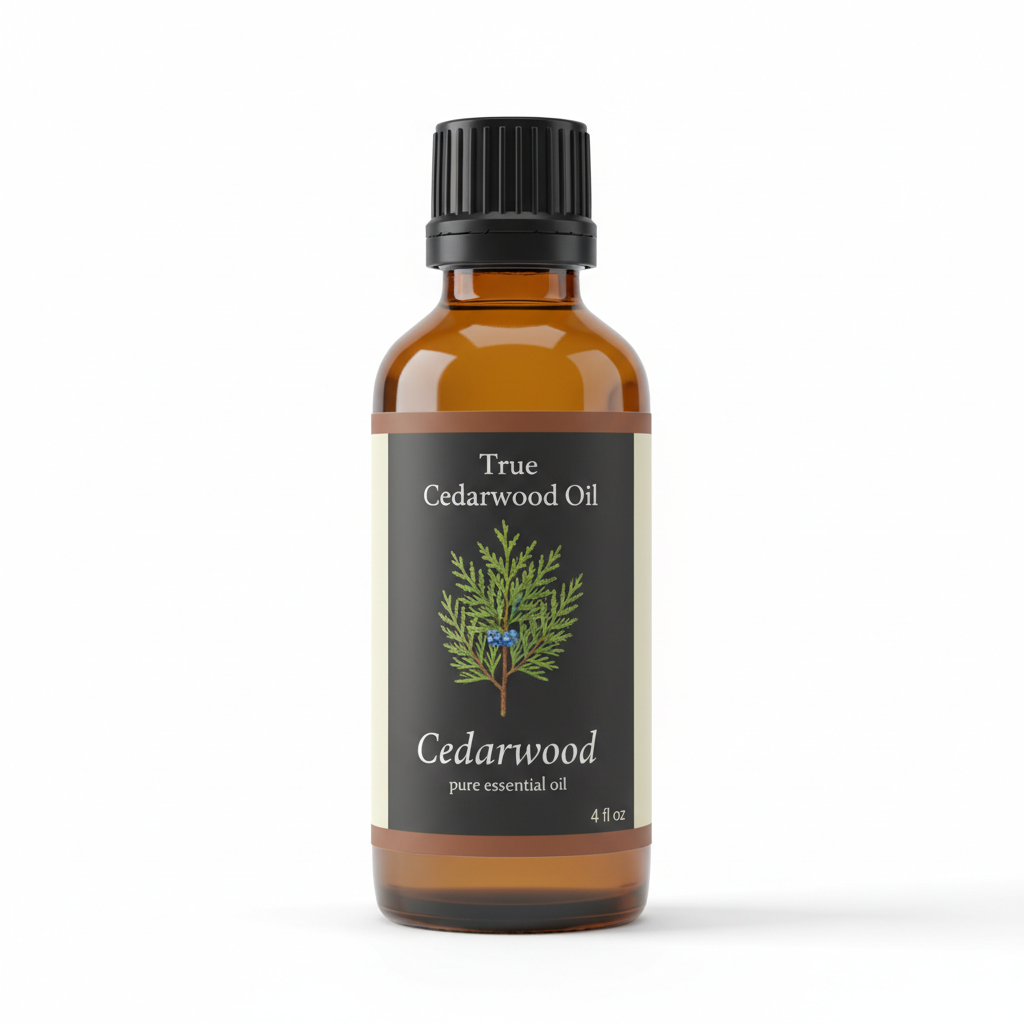
Cedarwood Essential Oil
Our own Cedarwood Essential Oil, in sizes from 0.5 oz to bulk.
From $9.99
Shop Now →Before you go
The CDC's tick prevention guidance starts with EPA-registered insect repellents and tells you to look for the registration number on the label. Its list of registered active ingredients includes DEET, picaridin, IR3535, oil of lemon eucalyptus, para-menthane-diol and 2-undecanone. For clothing and gear it suggests 0.5 percent permethrin, which stays protective through several washings, or clothes that come pre-treated. It also suggests walking in the center of trails and avoiding brushy, leafy edges.
The EPA explains what the registration number means: the company supplied technical information on the effectiveness of the product. The agency also notes that results vary with sweat, water and temperature. Essential oils sold as fragrance or craft materials, ours included, are not registered repellents. The EPA describes the minimum-risk pesticides it exempts from registration as posing little to no risk to human health or the environment, which tells you about safety and nothing about performance. That is why we sell cedarwood oils for their aroma and make no tick claim. If you are heading into tick country, a registered repellent from a pharmacy is the product to pick, and our DEET comparison looks at how a registered ingredient and cedarwood differ.
The cedarwood study, in context
The result people cite comes from USDA researchers in 2022. They tested a cedarwood oil made with carbon dioxide on unfed nymphs of four hard-tick species, using filter paper treated with the oil. Repellency rose with dose. At 60 minutes, the amount that turned away half the nymphs ranged from 19.8 micrograms per square centimeter for the blacklegged tick to 89.6 for the lone star tick, and the effect declined over time. The lone star tick was barely affected in a separate 24-hour toxicity test.
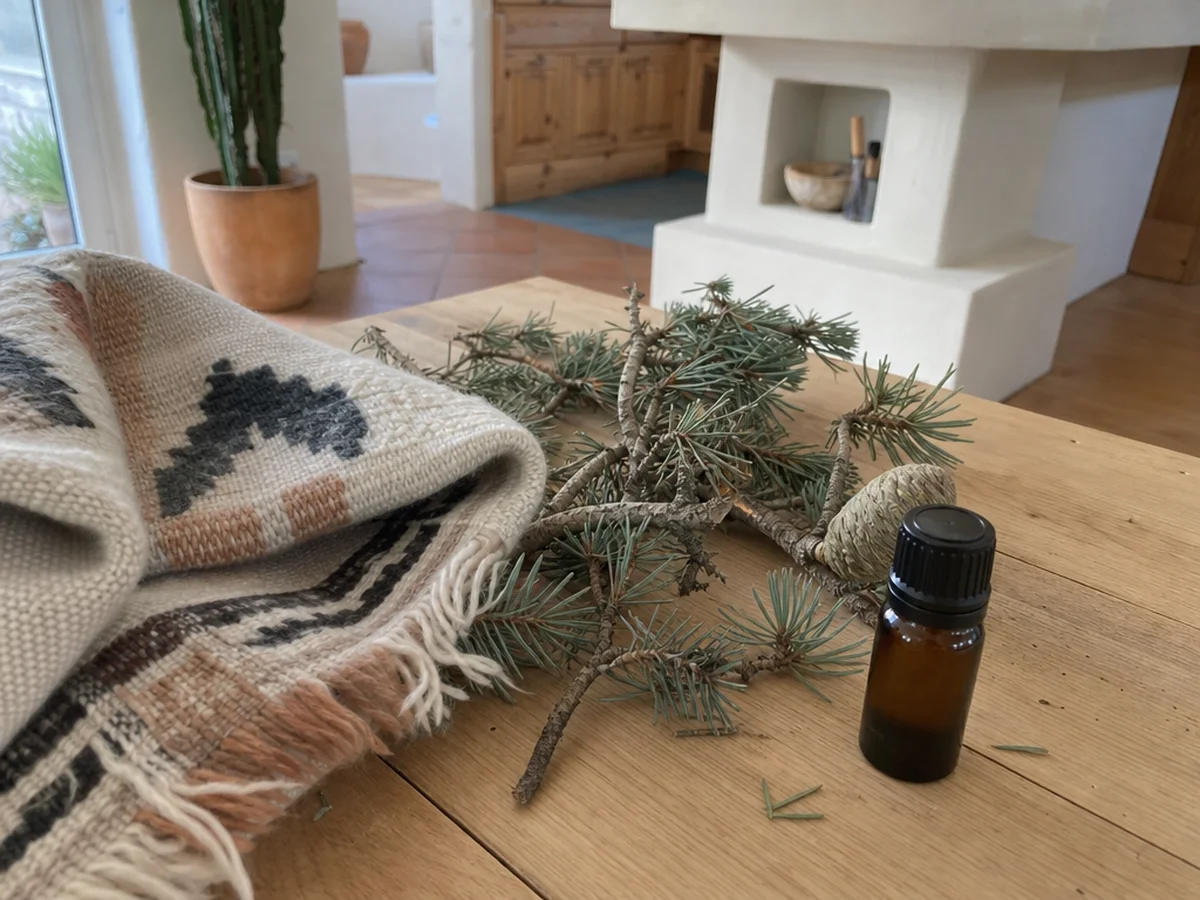
It is a genuine result, and it is encouraging for the laboratory. It is also a long way from a hiker. The paper used filter paper, not skin or clothing; an extract produced by a different process from steam distillation; and an hour-long window, not a day on the trail. The authors present it as a basis for developing a product. That is why we think of the paper as promising chemistry, not a trail plan.
Packing for the day
A little preparation makes the checks later much easier. Light-coloured clothing makes a small dark tick easier to spot, and tucking trousers into socks leaves fewer gaps. Pick a spot near the door for the boots and daypack when you return, so the post-hike check happens before the couch gets involved. Have a pair of fine-tipped tweezers in the first-aid kit, and keep them where everyone can find them. None of this involves a bottle, which is rather the point.
When you come home
Here the CDC's advice is wonderfully concrete, and none of it depends on a bottle of anything. Check your whole body, including your own backyard as a possible tick habitat: under the arms, in and around the ears and hair, behind the knees, around the waist. Check children, pets, coats and daypacks. Shower within two hours, which has been shown to reduce the risk of Lyme disease and may wash off unattached ticks. Tumble dry clothes on high for about 10 minutes, and if clothes need washing first, use hot water, because cold and medium temperatures will not kill ticks.
If a tick is attached
Use clean fine-tipped tweezers to grasp the tick as close to the skin as you can and pull straight out with steady, even pressure, without twisting or jerking. Clean the bite and your hands afterward. The CDC says not to use petroleum jelly, heat, nail polish or other substances to make a tick detach, since that can force infected fluid into the skin, and not to wait for a clinic visit before removing it. See a doctor if a rash or fever shows up within several weeks, and mention the bite. For pets, the veterinarian is the contact.
Make the check a habit
Our suggestion is to make the tick check as routine as taking off your boots. A mirror helps with the places you cannot see, and a partner or a parent can look at a child's scalp and behind the ears. Do it in good light, take your time, and keep it matter of fact, so it feels like a normal end to the day.

So where does cedarwood fit?
It fits at the campsite, in the cabin, and in the drawer where the hiking socks live, as a woody, dry, pencil-shaving scent that many people associate with the outdoors. Our Virginian oil is the one we describe as classic closet cedar, and our Atlas oil is a warmer, balsamic woody note. Whichever you like, enjoy it as aroma and keep the body check, the shower and the registered repellent in the plan. If you are curious how the broader cedarwood and insect studies line up, our evidence overview goes through them.
Cedarwood Essential Oil
Cedarwood Essential Oil from our own shop, in sizes from 0.5 oz to bulk.
From $9.99
Shop Now →Sources & Further Reading
- Preventing Tick Bites (CDC)
- What to Do After a Tick Bite (CDC)
- Using Insect Repellents Safely and Effectively (US EPA)
- Minimum Risk Pesticides Exempted from FIFRA Registration (US EPA)
- Repellency and toxicity of a CO2-derived cedarwood oil on hard tick species (Ixodidae) (Flor-Weiler et al., Exp Appl Acarol, 2022)