Cedarwood vs Rosemary Oil: What the Trials Show
Search for cedarwood against rosemary and you will find plenty of pages declaring a winner. As far as we can tell, nobody has actually run that contest. What exists is two separate clinical trials, one involving a blend with cedarwood in it and one involving rosemary, studying different conditions in different ways. Reading them side by side is more interesting than any ranking.
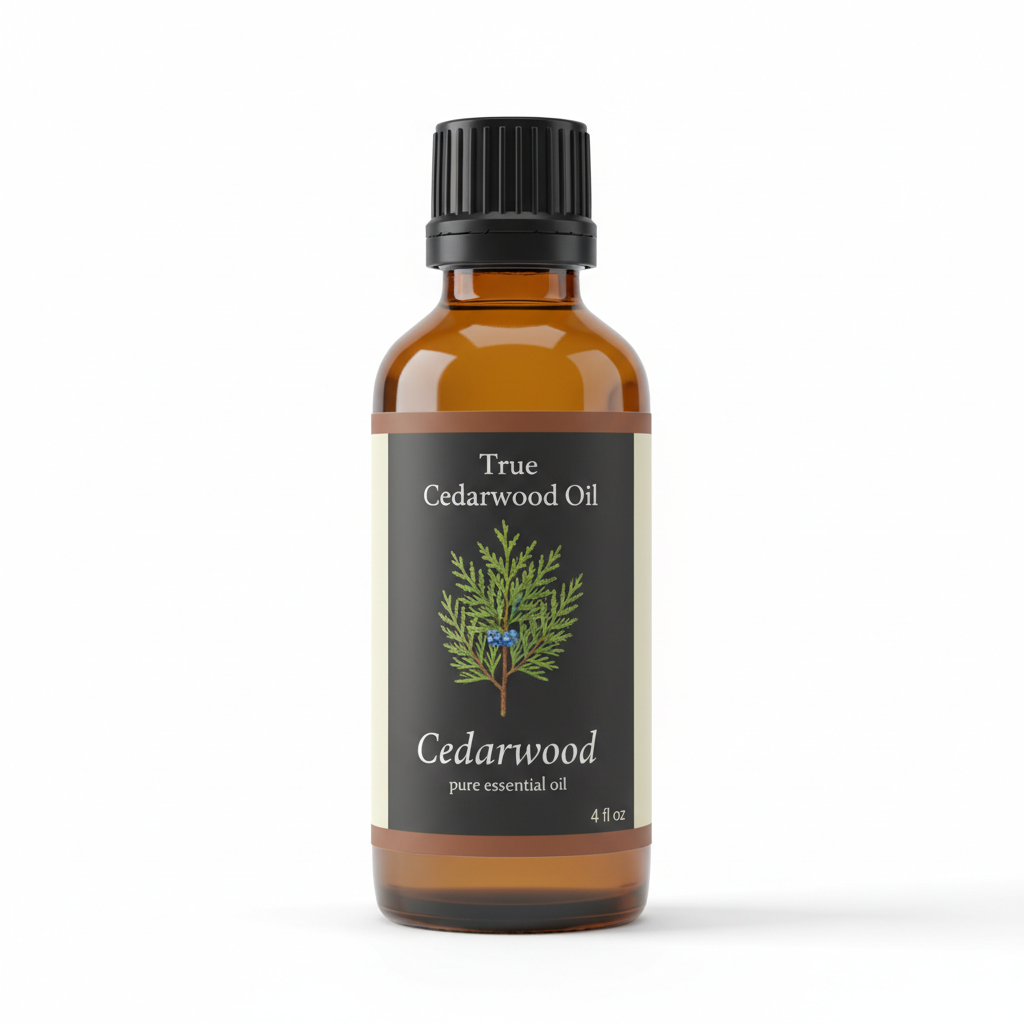
Cedarwood Essential Oil
Our own Cedarwood Essential Oil, in sizes from 0.5 oz to bulk.
From $9.99
Shop Now →The cedarwood trial
In 1998, a dermatology team ran a double-blind trial on 86 people with alopecia areata, a patchy condition. The active group massaged a blend of thyme, rosemary, lavender and cedarwood oils in jojoba and grapeseed carrier oils into the scalp daily for seven months. The comparison group massaged carrier oils alone. Two dermatologists judged photographs, and 19 of 43 people (44%) in the active group improved compared with 6 of 41 (15%) using carrier oil only (Randomized trial of aromatherapy. Successful treatment for alopecia areata).
It is a genuine trial with a genuine result, but notice what it cannot tell us. The blend contained four oils, and rosemary was one of them. The study cannot separate cedarwood's contribution from the others, and the abstract does not name which cedarwood species was used.
The rosemary trial
In 2015, researchers compared rosemary oil with minoxidil 2% in 100 people with androgenetic alopecia, which is pattern hair thinning, 50 per group, over six months. Nothing changed significantly at three months. By six months, hair counts in both groups had risen compared with the start, with no significant difference between the groups. Scalp itching was more frequent than at baseline in both groups and more so with minoxidil (Rosemary oil vs minoxidil 2% for the treatment of androgenetic alopecia: a randomized comparative trial).
That tells us rosemary performed similarly to minoxidil in that sample. It does not include a group using nothing, so it cannot show that rosemary beat no treatment. That limit comes from reading the abstract, not from the authors, who describe their findings as supporting rosemary's efficacy.
Why they do not line up
- Different conditions. Patchy loss and pattern thinning are different problems, so a result in one says little about the other.
- Different comparators. One trial used a carrier-only group, the other an established drug.
- Rosemary appears in both. Because the cedarwood trial's blend included rosemary, it is not a clean look at cedarwood.
- Time. In the rosemary trial, nothing moved at three months. Anyone judging an oil on its first few weeks is judging it against a trial that saw no change that early.
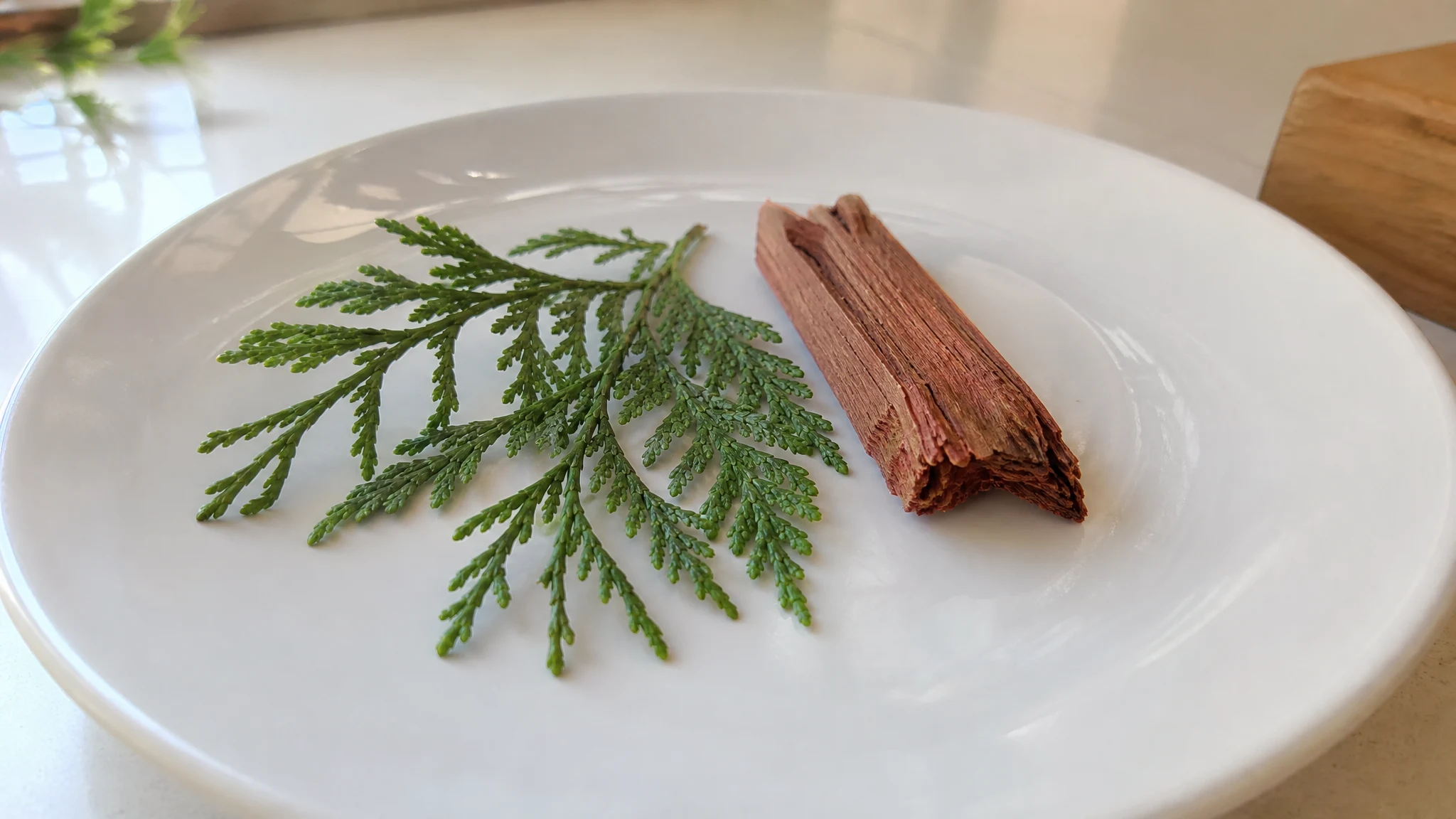
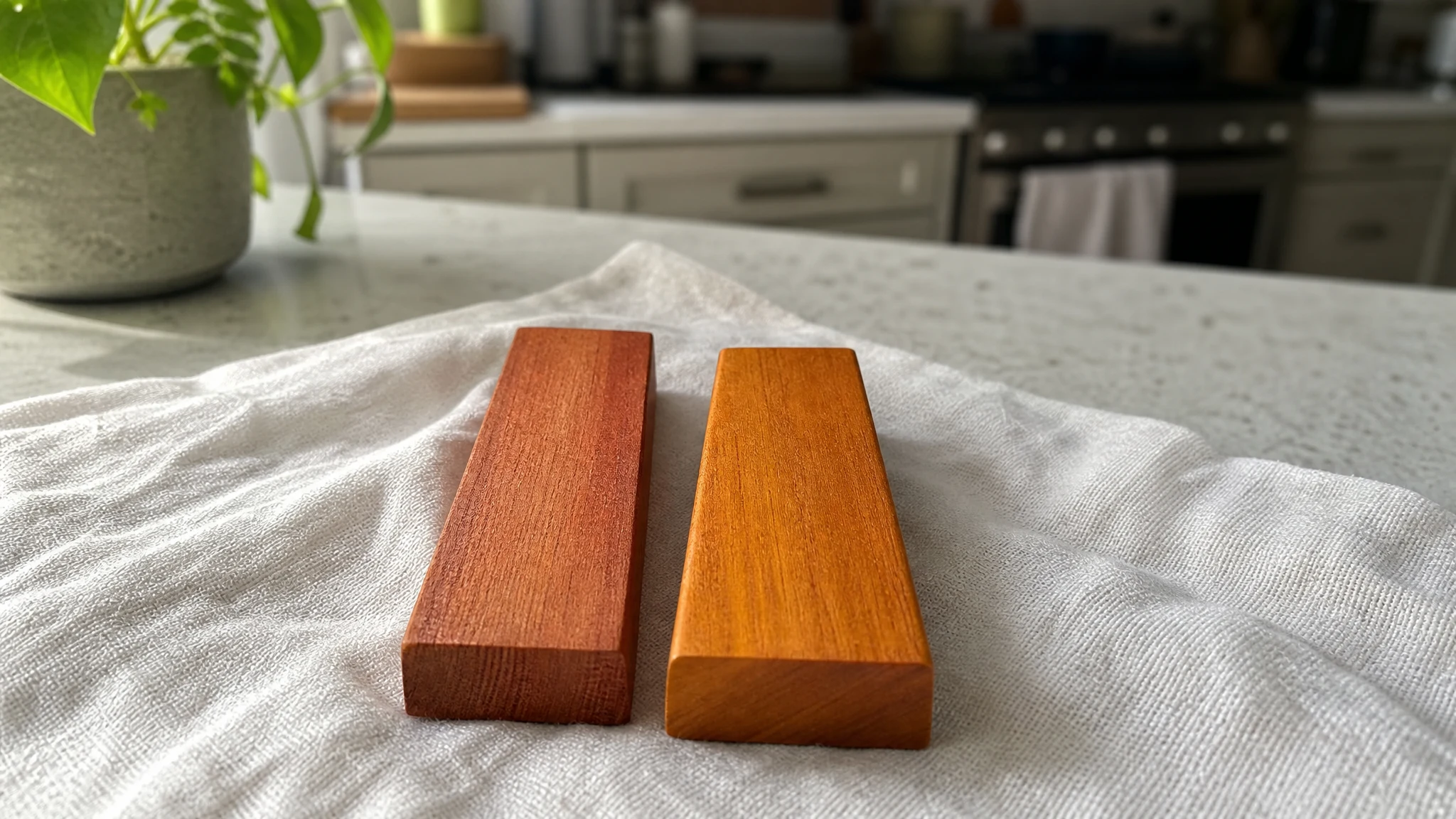
A fair head-to-head would need one condition, the same carrier and percentage for both oils, a carrier-only group, assessors who do not know who used what, and at least six months. It would also have to name which cedarwood, since Atlas, Himalayan, Virginian and Texas oils differ in composition. That is our reasoning about study design, not a report of any study, and it is one reason oil-versus-oil articles are mostly opinion.
How they smell, side by side
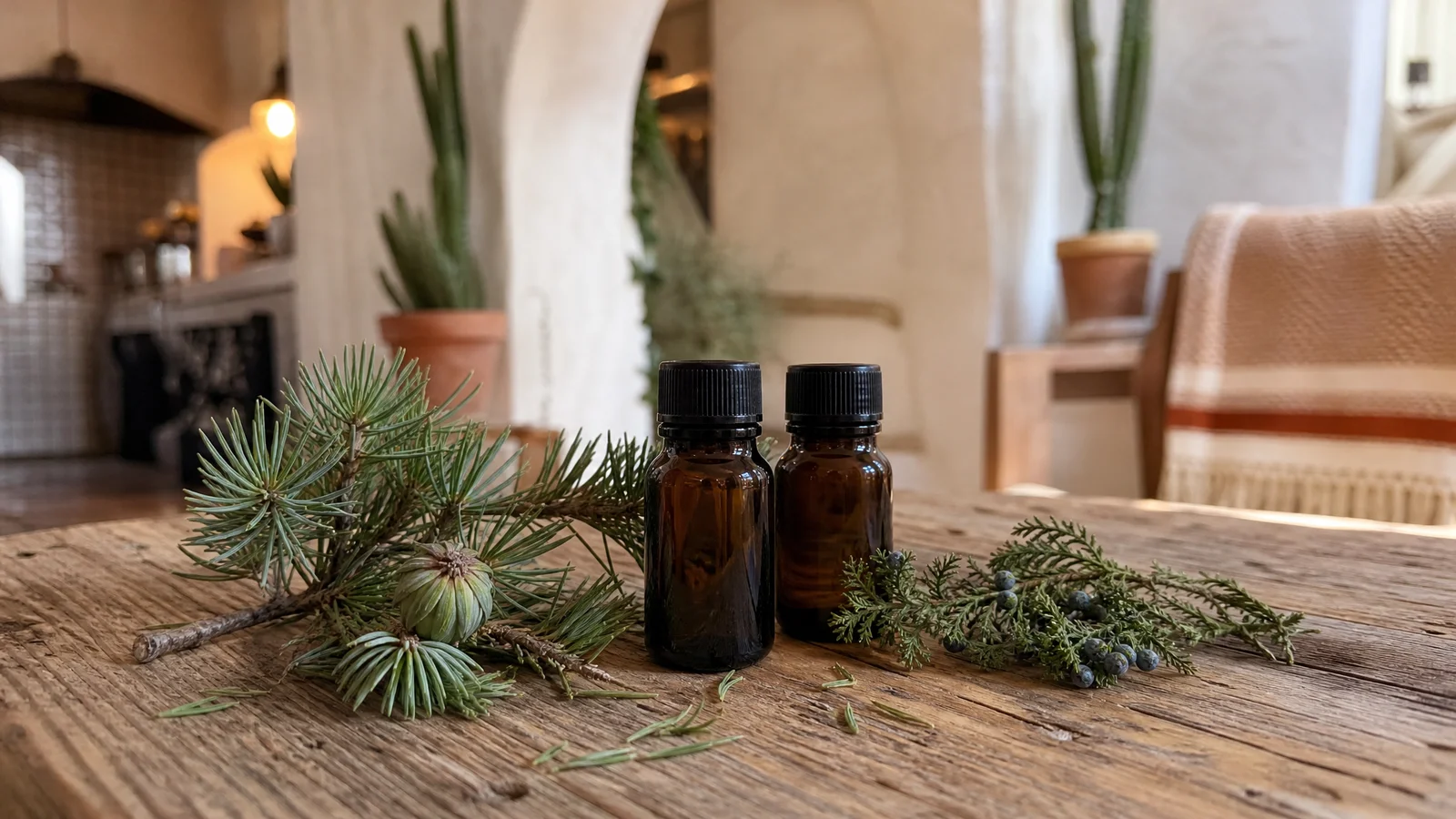
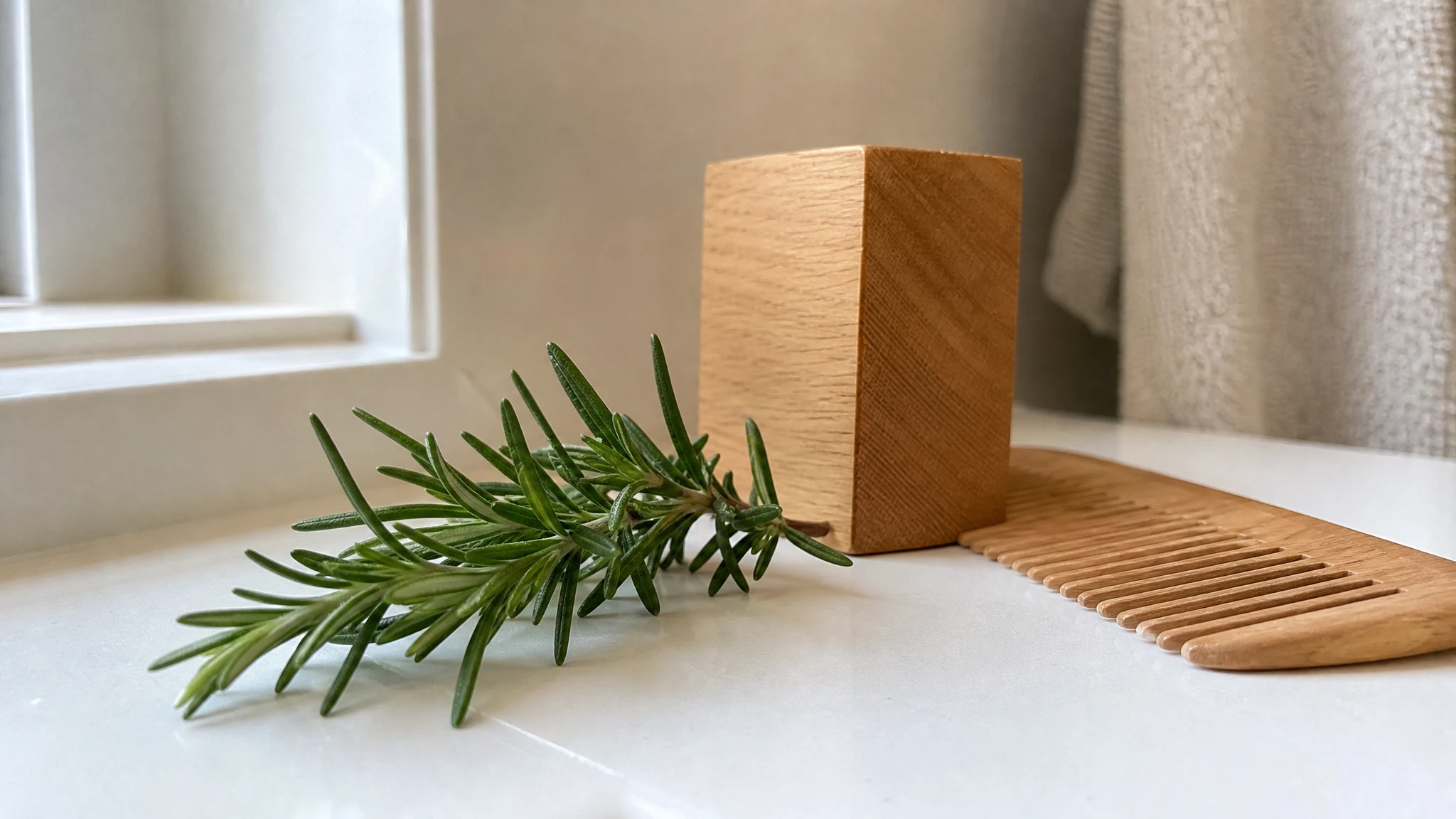
Forget the trials for a moment and just smell them. Rosemary is bright, green and herbal, the kind of scent that makes you think of a kitchen windowsill. Cedarwood is dry and woody, closer to a sawn plank or a pencil sharpener. Put a drop of each on separate paper strips, wave them gently a few inches from your nose, and you will see how little they overlap. One lifts the air, the other settles it. They are not rivals so much as different tools.
If you want both in one blend
Rosemary is one of the blending partners we list for our Virginian oil, so the two are a natural pair. Start with the cedarwood as your base and add the rosemary in small steps, smelling on a strip as you go. Rosemary can take over a blend quickly, and cedarwood tends to hang around longer, so you will often want less of the herb than you first expect. Write each version down so you can return to the one you liked best.
Where cedarwood does fit
We sell four cedarwood oils and nothing for the scalp, and we make no hair claim for any of them. If you are concerned about thinning or patchy loss, a physician or dermatologist can identify the type and discuss options. As a fragrance material, though, cedarwood is a lovely, warm, woody choice for a hair or beard oil, and rosemary smells entirely different, so the real decision is the scent you want. Our beard oil article and scalp and grooming article cover scent-led use.
For safety, we recommend 0.5% to 2% in a carrier oil and a patch test first, and for the scalp we suggest starting at the low end because we have not been able to verify a published maximum for cedarwood oils. As arithmetic, 0.5% of a 1 oz bottle of carrier is about 0.15 ml, roughly 3 drops at 20 drops to the millilitre. If you add rosemary, count all your essential oils together. Keep oils away from eyes, children and pets, and see our patch test article for how to check a small area first.
A last tip for reading oil-versus-oil articles anywhere: look for the part that says what was actually compared, to whom, and for how long. If a page cannot tell you that, it is offering an opinion, however confident it sounds.
Pick the cedarwood for how it smells, and bring any concerns about your scalp to someone who can look at it.
Cedarwood Essential Oil
Cedarwood Essential Oil from our own shop, in sizes from 0.5 oz to bulk.
From $9.99
Shop Now →Sources & Further Reading
- Hay, Jamieson and Ormerod, 1998. Randomized trial of aromatherapy. Successful treatment for alopecia areata. Archives of Dermatology. PubMed 9828867
- Panahi, Taghizadeh, Marzony and Sahebkar, 2015. Rosemary oil vs minoxidil 2% for the treatment of androgenetic alopecia: a randomized comparative trial. Skinmed. PubMed 25842469