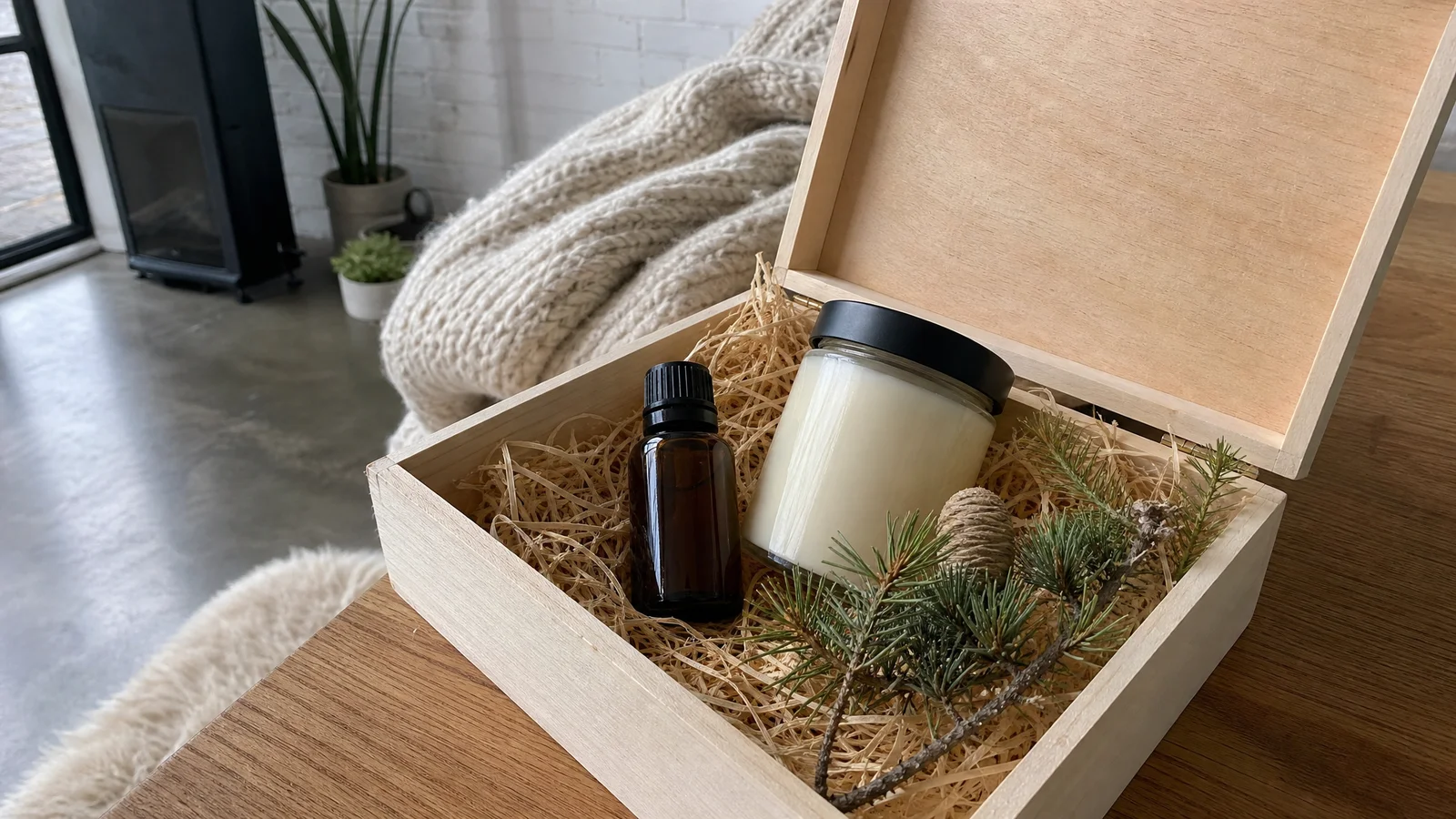
Cedarwood Scent as a Cue: Building an Evening Routine
Most of us have a smell that takes us straight back to somewhere: a grandparent's cedar chest, a pencil sharpener, a cabin porch. Cedarwood has a lot of those doorways built in. That is the honest heart of why people reach for it in a quiet-evening routine, and it has less to do with the oil itself than with how scent and memory work together.
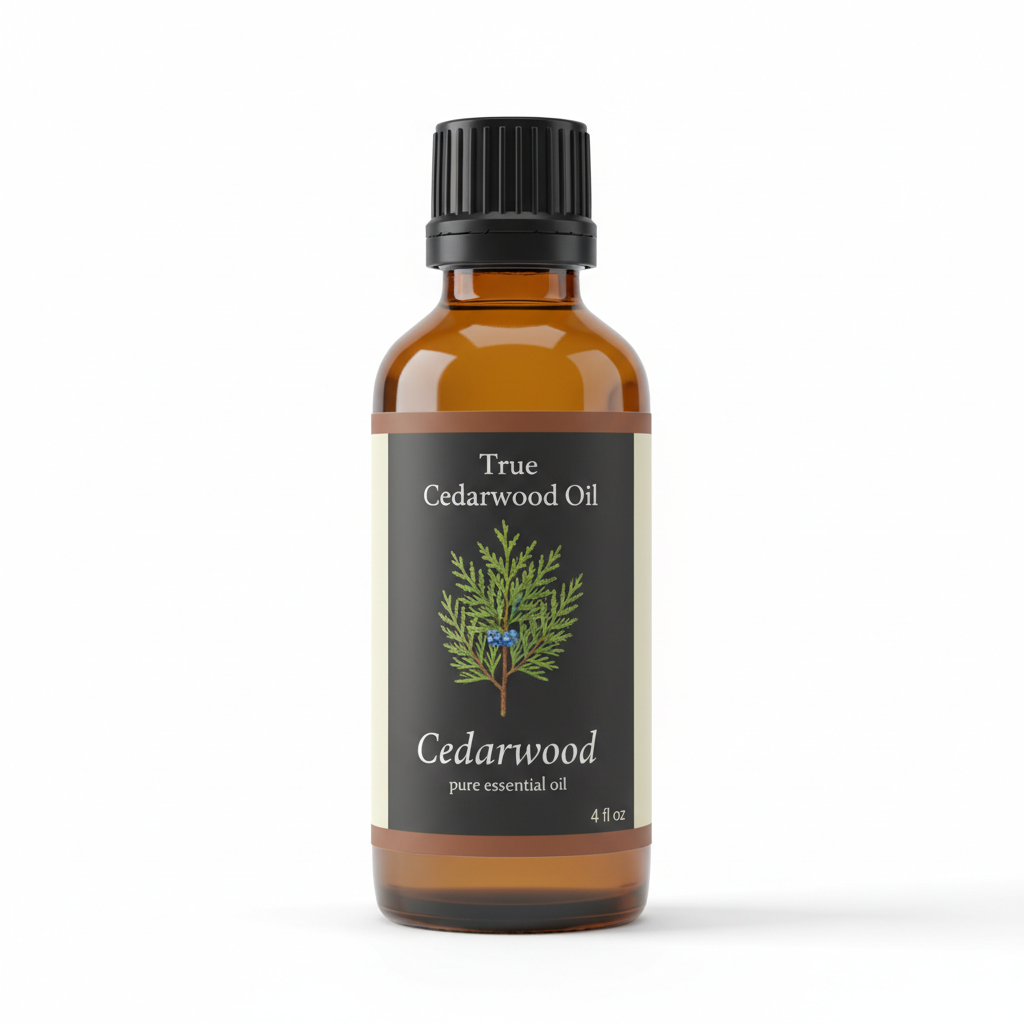
Cedarwood Essential Oil
Our own Cedarwood Essential Oil, in sizes from 0.5 oz to bulk.
From $9.99
Shop Now →Why a smell makes such a good cue
Researchers have a tidy acronym for how odour memories behave: LOVER, for Limbic, Old, Vivid, Emotional and Rare. A 2014 review in Frontiers in Psychology describes memories cued by smell as tending to be older and more emotional than memories cued by sight or sound, and links them to brain regions that handle emotion and memory. In plain English, a scent can pull a moment back with unusual force.
The same review is candid about the limits. Much of the evidence uses single odours in a laboratory, and the research on practical applications is scarce and mixed. So the sensible reading is a modest one: a scent you repeatedly pair with a calm habit can come to remind you of that habit. The scent does not have to be cedarwood, and it does not produce the state by itself. It simply recalls something you already did.
Where cedarwood fits
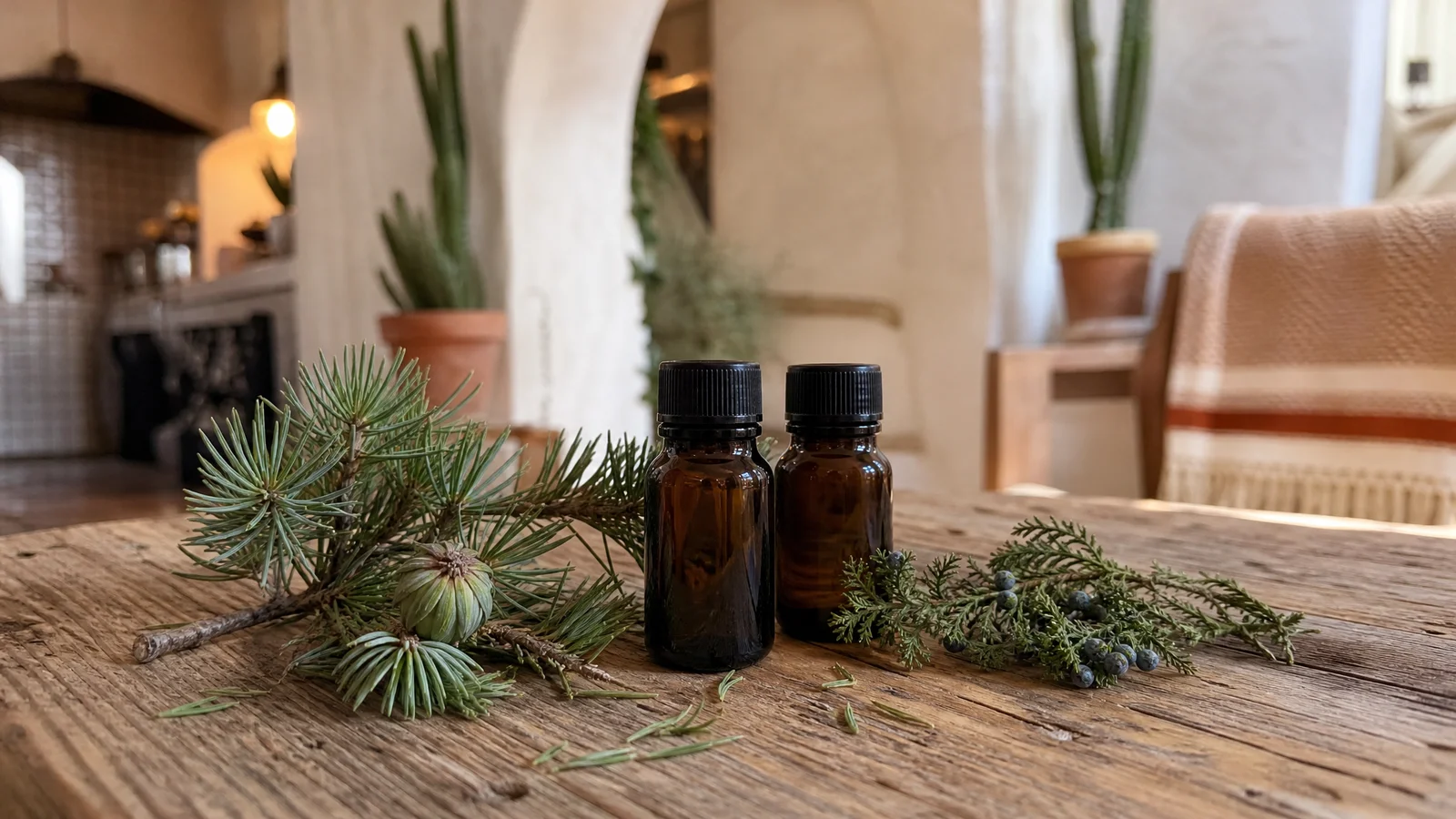
What cedarwood brings is character. It is a dry, woody base note, and it tends to read as steady rather than showy, which suits a routine you want to repeat every evening without it becoming tiresome. Our Virginian oil is dry and pencil-shaving sharp, while our Himalayan oil is softer and resinous, so you can choose the personality that suits the room. Our article on what each cedarwood oil smells like helps with that choice. We sell cedarwood as an aroma oil for external use, and nothing here is a claim about what it does to you.
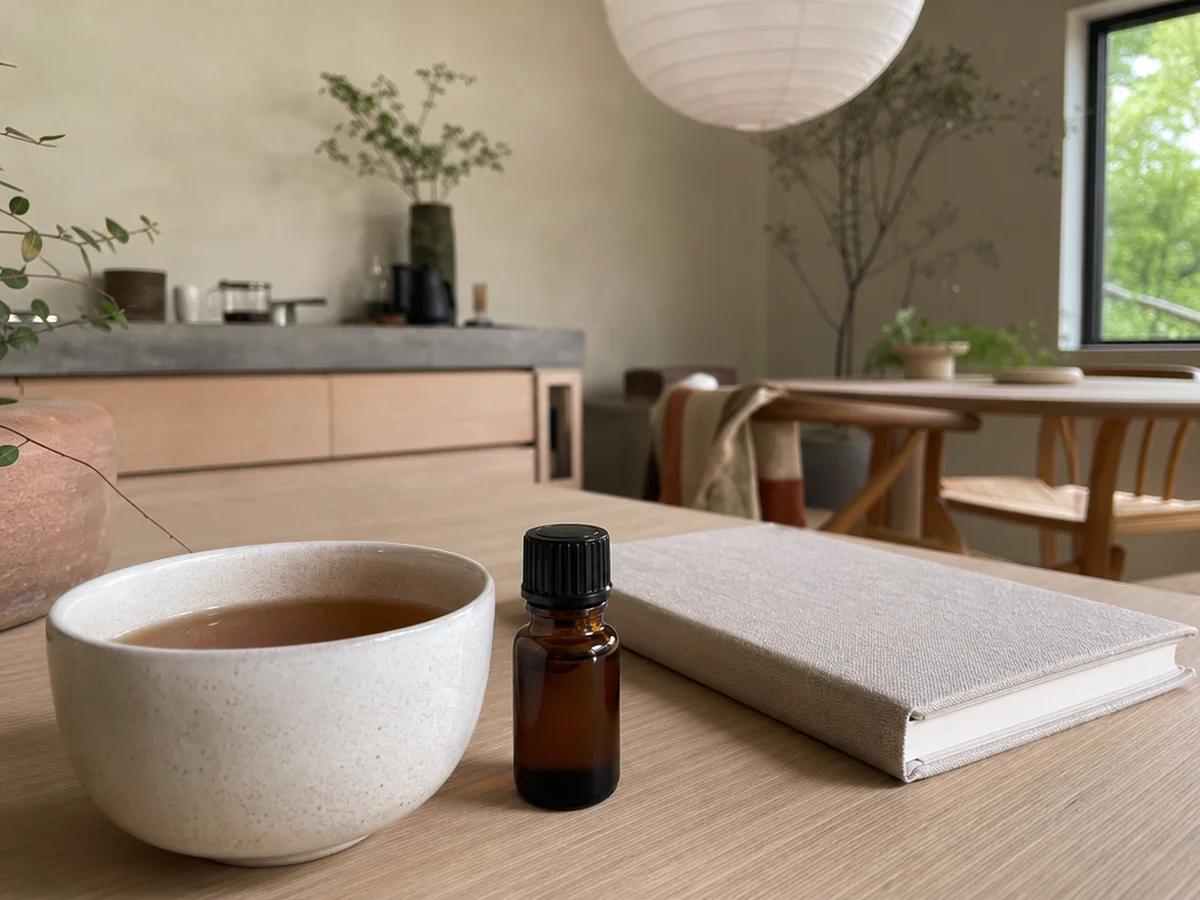
Build the cue first, then choose the oil
In the memory research it is the pairing that does the work. Here is how we would set one up, reasoning from that idea.
- Decide on a short sequence you enjoy: a few slow breaths, a glass of water, lights turned down, a favorite chair.
- Use the same scent every time, so the association has a chance to form. Swapping scents resets it.
- Keep the aroma light. A little goes a long way with a base note, and a lingering sense of wood is more pleasant than a heavy one.
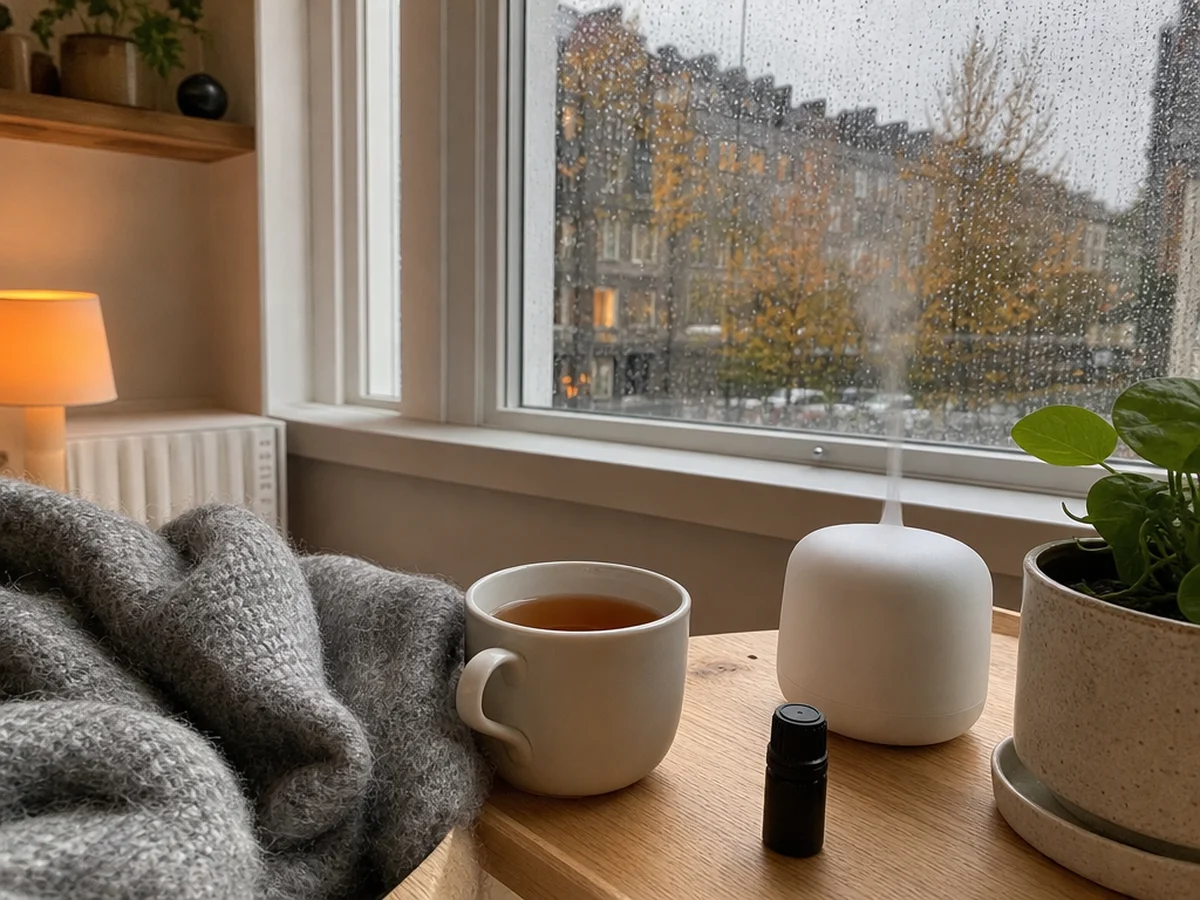
If a room diffuser is your method, keep sessions short and the room ventilated. A 2025 pilot study of household diffusers running tea tree oil found that heat-based diffusers produced roughly ten times the terpene levels of ultrasonic ones, with several above derived no-effect levels. It did not test cedarwood, so we treat it as a general reminder: a smaller amount and a shorter session are the easy, conservative choices. Our diffuser article covers the device side.
Choosing the moment
Pick a point in the evening that already happens, such as hanging up your coat or putting the kettle on, and attach the scent to that. A habit that rides on top of an existing one tends to stick. Start with a few days, then see how it feels, and adjust the time or the amount. Nobody needs a ten-step ritual, and a simple one you actually repeat is better than a grand one you drop.
A blotter works too
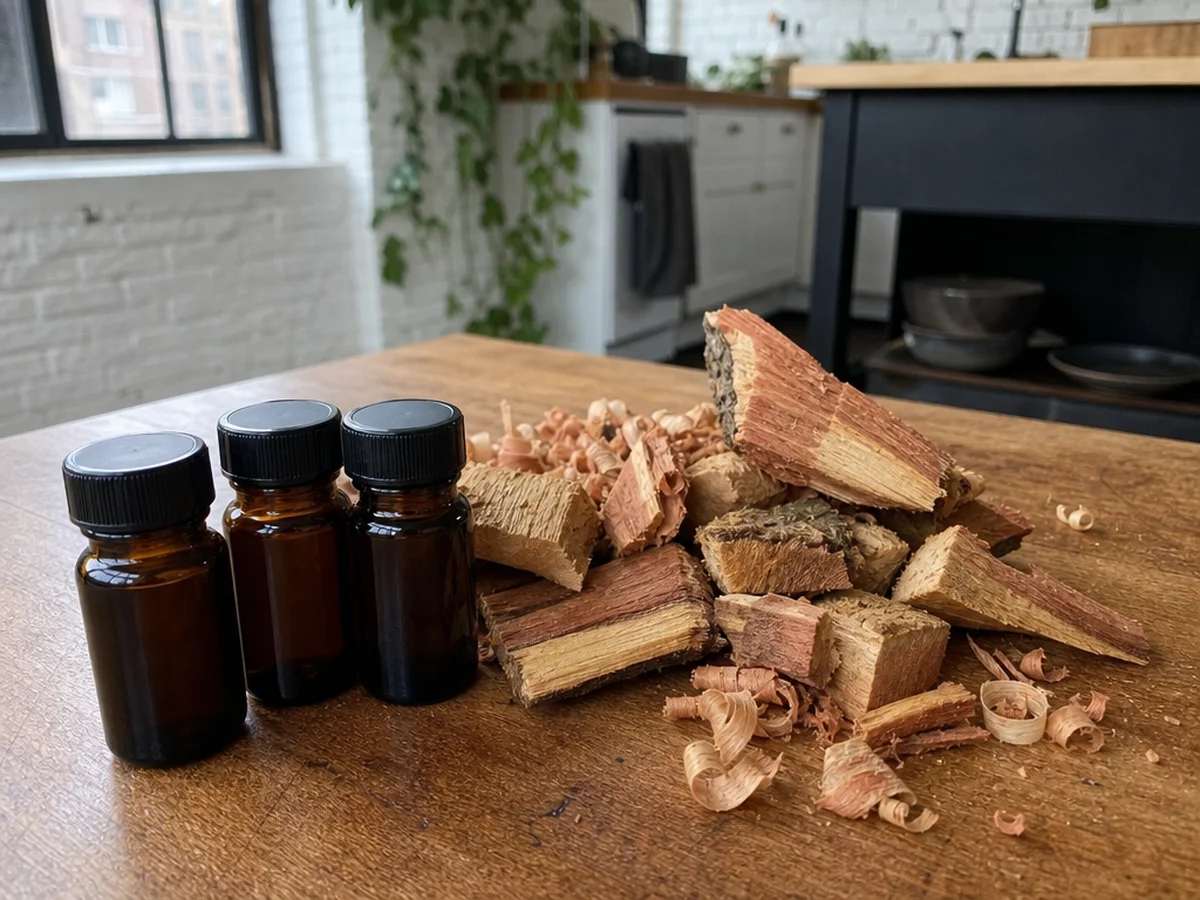
You do not need a device at all. A drop on a paper blotter, a wooden bead or a folded tissue next to your chair gives a gentle, local aroma that you can put away when you are done. The oil is sold neat, so keep it off skin unless you have diluted it. Our dilution guidance for skin is 0.5% to 2% in a carrier oil with a patch test first, though a lower figure is a good place to start, since an animal study of Virginia cedarwood oil in ethanol (Catlin et al., 2016) found skin lesions at the application site, with lower dose estimates that overlap that range. Our dilution guide shows how to work out weights.
What you will notice
When the cue works, you will notice it more in the first week as a small moment of recognition when you smell the wood, a sense of "ah, this part of the day". Over time the scent fades into the background, which is natural. If it starts to feel stale, take a week off, or switch between the Virginian's dry edge and the Himalayan's soft warmth on different seasons, and the cedar will feel fresh again.
A few sensible cautions
Keep bottles out of reach of children and pets; America's Poison Centers advises locking essential oils up, out of sight and reach. If you are pregnant, nursing or managing a medical condition, talk with your physician first, and our articles on pregnancy and children have the source detail. If you are looking for help with anxiety, trauma or low mood, a physician or licensed mental health professional is the right person to ask, and a scented room is a pleasant companion to that care, not a substitute.
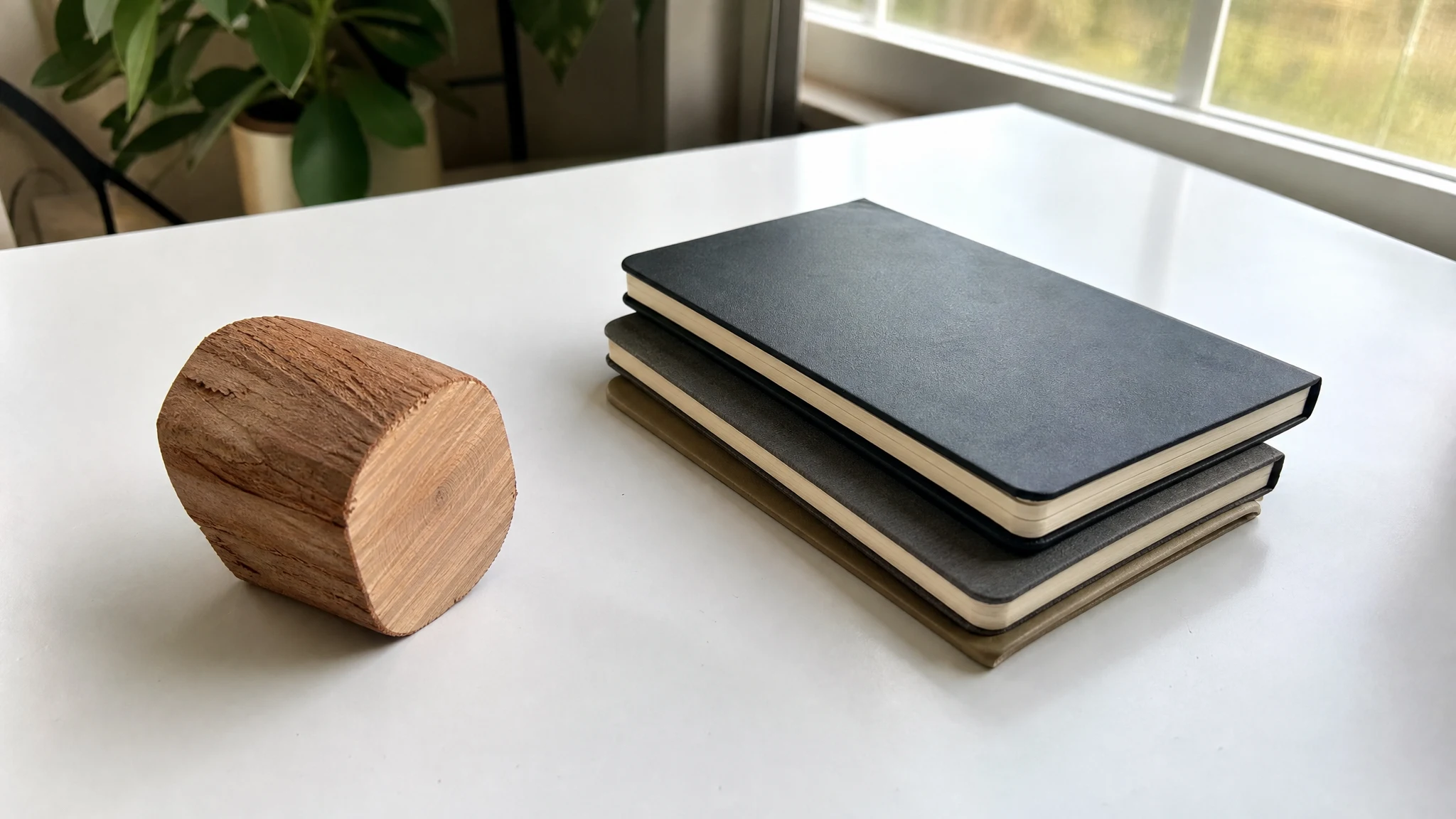
Cedar wood has a long history in buildings and ritual, which our history of cedar traces, and that history is part of why the smell feels familiar. Familiar and enjoyable is a perfectly good reason to use a scent. If cedarwood smells right to you, pair it with a habit you like and let it become yours.
Cedarwood Essential Oil
Cedarwood Essential Oil from our own shop, in sizes from 0.5 oz to bulk.
From $9.99
Shop Now →Sources & Further Reading
- Olfactory LOVER: behavioral and neural correlates of autobiographical odor memory
- Volatile organic compound and particle emissions from the use of tea tree oil in essential oil diffusers
- Dose-response assessment of the dermal toxicity of Virginia cedarwood oil in F344/N rats and B6C3F1/N mice (Catlin et al., Food and Chemical Toxicology, 2016)
- Essential oils: Poisonous when misused (Poison Control)