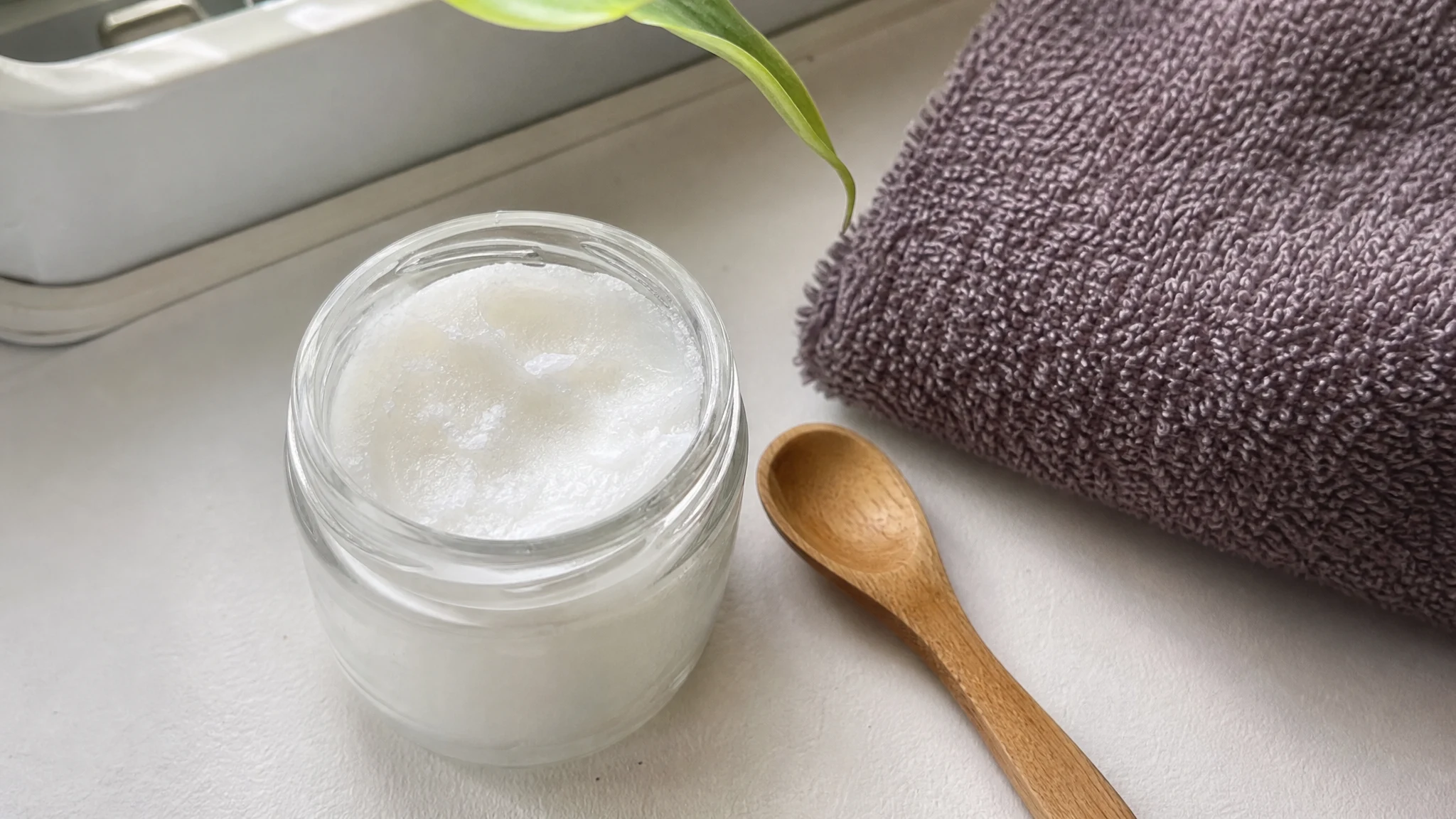
Cedarwood Deodorant Balm: A Gentle Scent-Only Recipe
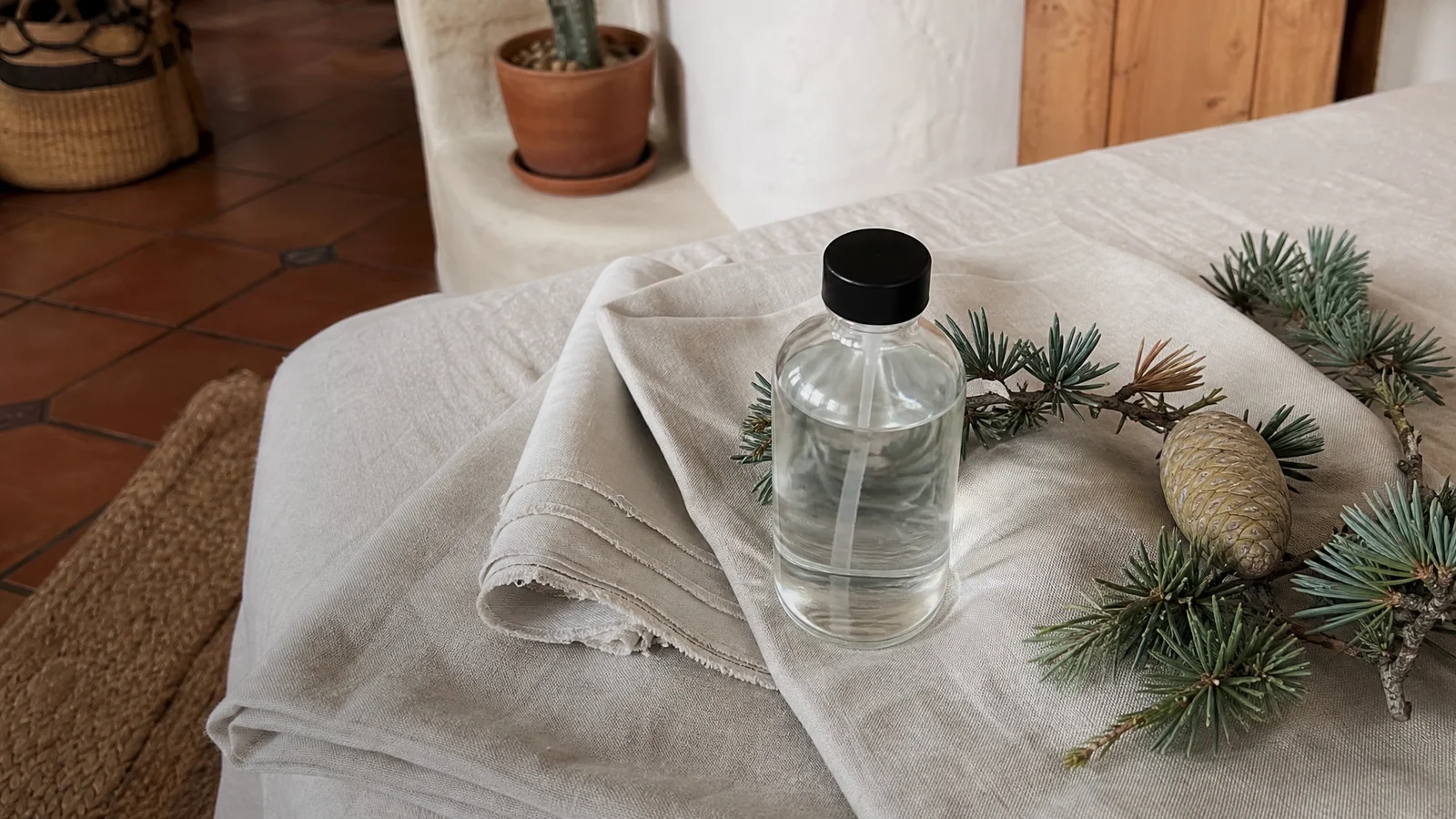
Here is a small, soft balm that smells of dry cedar and nothing else. It is a scent layer for the underarm, not an antiperspirant, and that honest framing is what makes it a nice thing to make. Because underarm skin is thin and often freshly shaved, the whole recipe is built around keeping the cedarwood low.
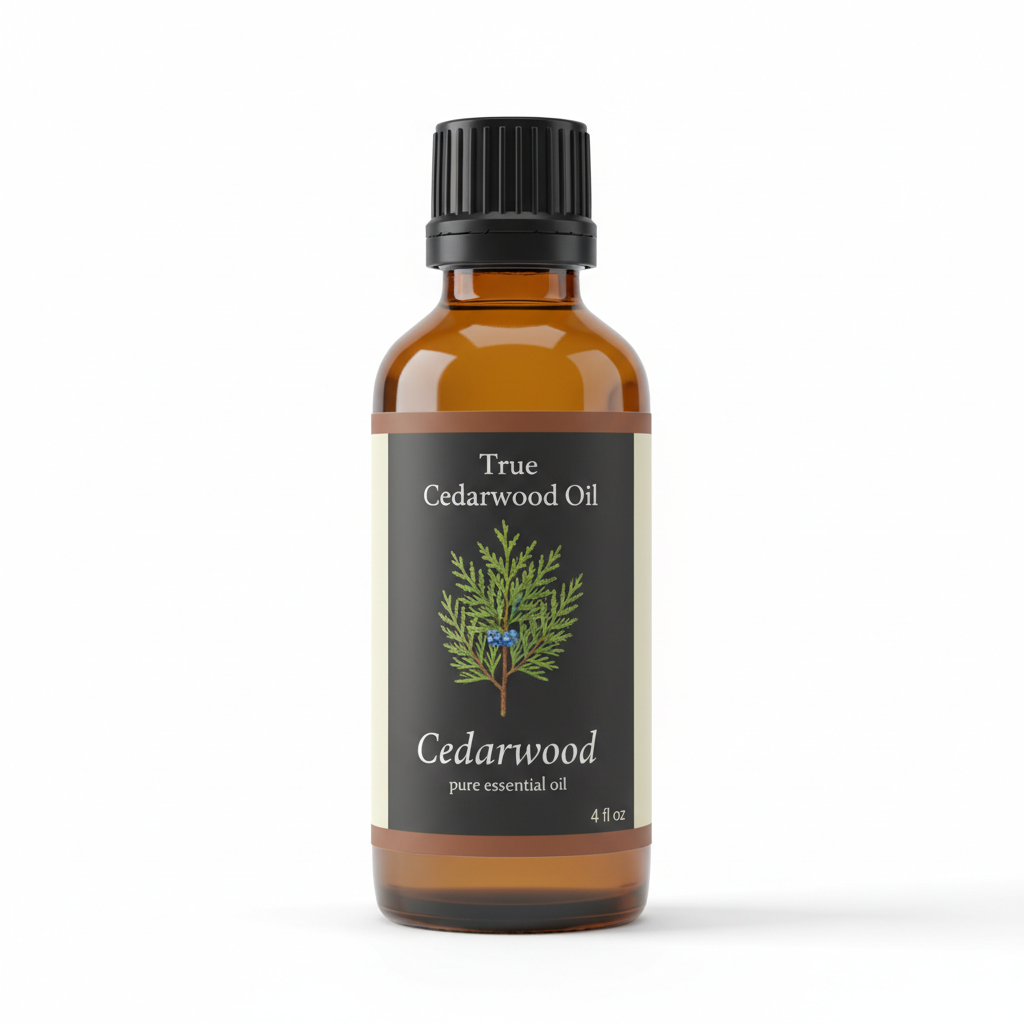
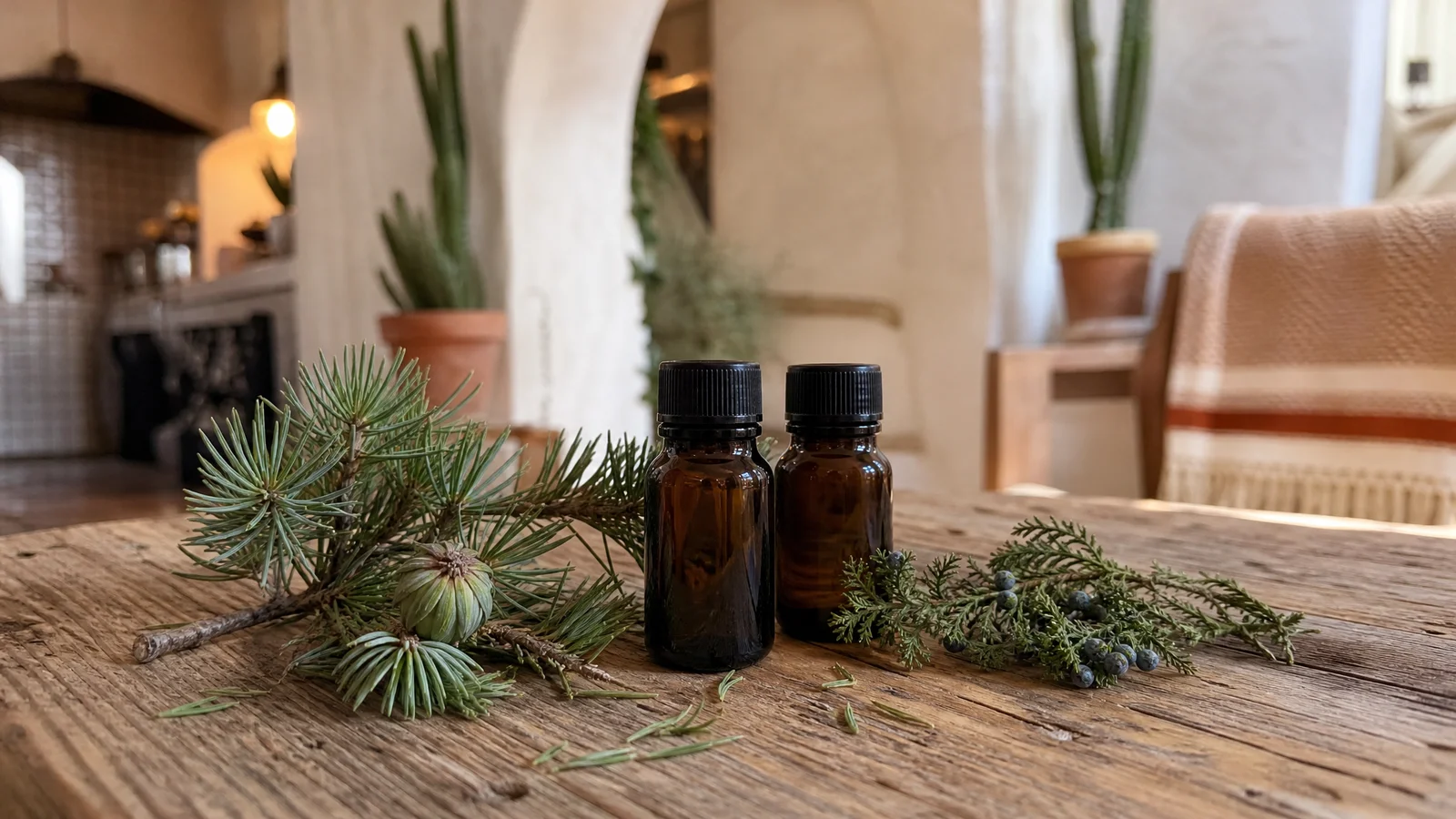
Cedarwood Essential Oil
Our own Cedarwood Essential Oil, in sizes from 0.5 oz to bulk.
From $9.99
Shop Now →What this balm is, and is not
US regulation defines an antiperspirant as "a drug product applied topically that reduces the production of perspiration (sweat) at that site," and the FDA treats products that are both deodorant and antiperspirant as cosmetic and drug together. A balm of butter, oil, starch and a little cedarwood oil does neither job. It adds a woody scent and a smooth feel. If you ever sell something like it, describe it that way. And if wetness or odor has changed suddenly, that is a conversation for your doctor or a dermatologist, not a recipe.
Why we keep the oil so low
A 2024 review of underarm contact dermatitis in Cutis notes that fragrance was present in 90% of the deodorants one pharmacy chain stocked (97 of 107), and lists essential oils among deodorant allergens. It also points out that shaving alters the underarm's surface, which can leave skin more sensitive to what you put on it. That is general skin reasoning, not a study of cedarwood, but it fits what the Tisserand Institute suggests: 0.5% to 1.2% for facial cosmetics and deodorants, as a class of essential oils.
Our own guidance is 0.5% to 2% in a carrier with a patch test first. For something used daily on this skin, we start at 0.5% and stay there. There are no cedarwood-specific limits that make a higher figure obviously fine, and the scent of cedar is strong enough that 0.5% is plenty.
The formulation, by weight
Use a scale that reads to 0.01 g; drops are too coarse at this size. Half a percent of 50 g is 0.25 g, which for our Atlas oil (density 0.934 on the batch of our certificate of analysis) is about 0.27 ml, roughly five drops at 20 drops per ml. That conversion is arithmetic and droppers vary.
| Ingredient | Grams | Share | Where to find it |
|---|---|---|---|
| Refined shea butter | 25.00 | 50% | Craft or cosmetic-supply shop |
| Liquid carrier, such as jojoba | 10.00 | 20% | Craft or cosmetic-supply shop |
| Arrowroot powder | 14.75 | 29.5% | Grocery or supply shop |
| Cedarwood essential oil | 0.25 | 0.5% | Our shop |
| Total | 50.00 | 100% |
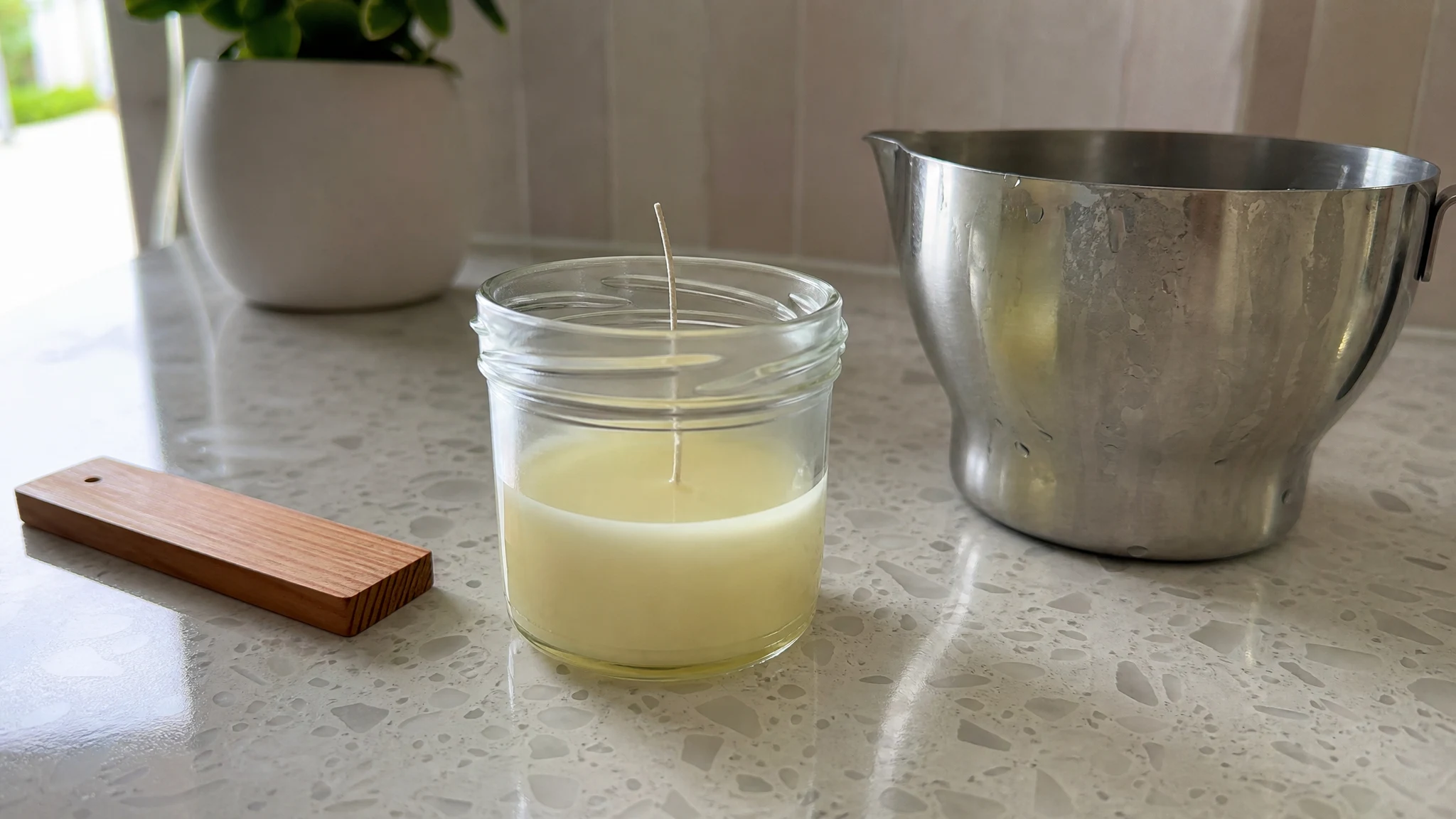
This makes a soft balm for the fingertips rather than a stick, since a stick needs a wax and a different formulation. Warm the shea and carrier together just until liquid, let the mix cool until it thickens slightly, whisk in the arrowroot, and add the cedarwood last because essential oils are volatile and lose scent when hot. That last point is reasoning, not a sourced figure. Pot it in a clean container and label it with the date.
We left baking soda out on purpose. It shows up in plenty of homemade deodorant recipes, but we found no controlled source that sets a safe amount for it, and keeping it out means that if the skin does react, you have fewer suspects to sort through.
Scent, in the real world
Dry cedar sits quietly under clothes. It is not a perfume you wear to be noticed, more a faint woody warmth that you catch when you lift your arm or put on a jacket. Test it by wearing a little on the inside of your wrist for an afternoon first and noticing how it smells by evening. If you like it then, you will probably like it in a balm.
Choosing among our four oils
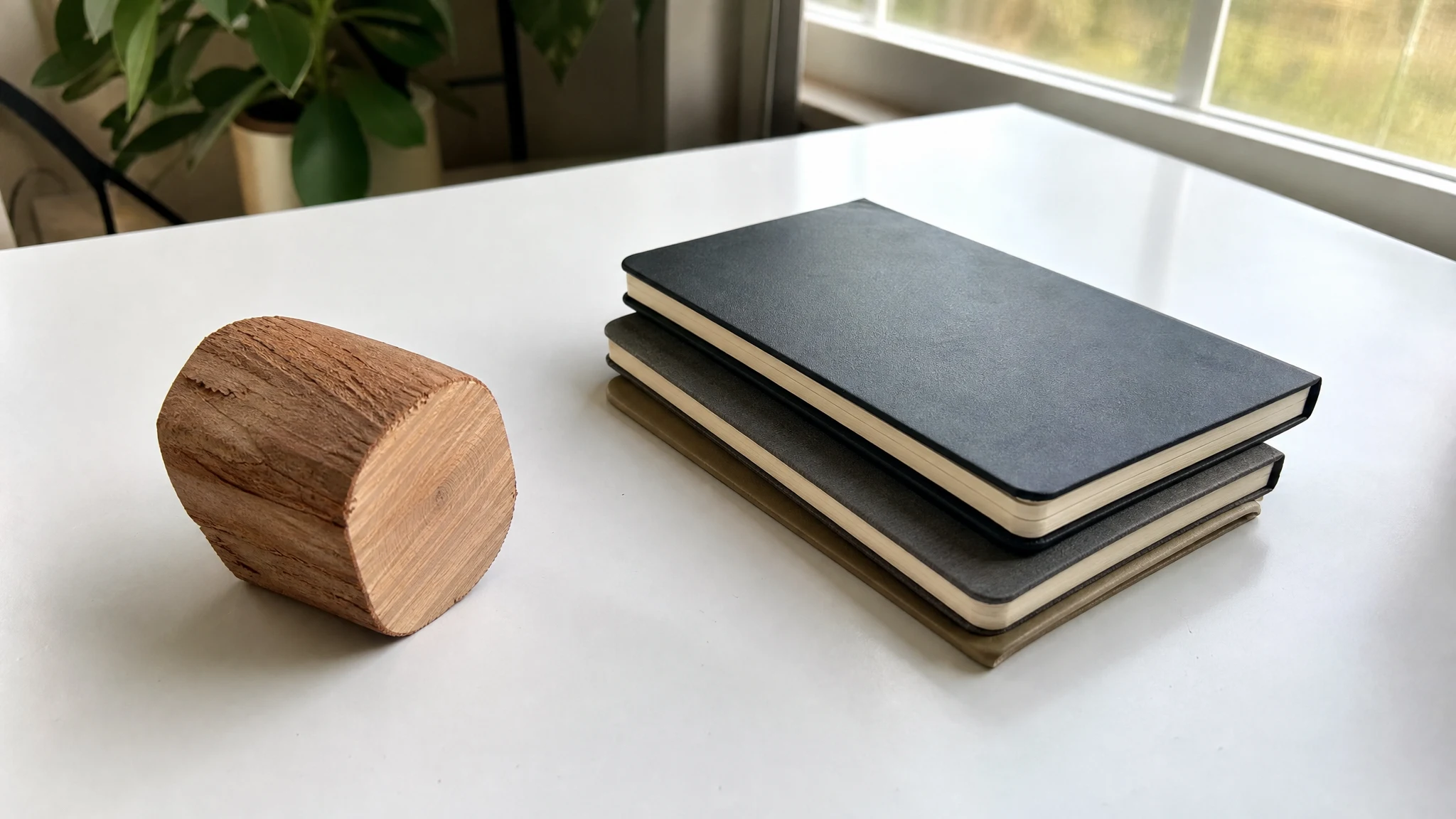
We describe the Atlas as dry, woody and warmly sweet, the Himalayan as warm and softly resinous, the Virginian as dry like pencil shavings, and the Texas as soft and smooth. For a balm that sits close to the skin, the softer ones are the gentler scents, but this is a taste question and nothing more. The oils are not interchangeable, so try the scent on a cotton pad before you commit.
Making it feel nice
Texture is where a balm wins or loses. After you whisk in the arrowroot, give it a minute and look at the surface: it should be like soft butter, neither gritty nor greasy. If it feels too oily, a little more arrowroot helps; if it drags, a touch more of the liquid carrier. Change one thing at a time and weigh the change, and if the total weight moves, recalculate the cedarwood from the new total so it stays at 0.5%.
Let the balm set in a cool place overnight before you judge it, because it firms up as it rests, and keep the pot out of direct sun and hot rooms. To use it, start with clean, dry skin and a pea-sized amount warmed between your fingertips. Smooth it on lightly; more is not better.
Patch test, and who should skip it
Dab a little of the finished balm on your inner forearm and wait a day before using it under the arm. Irritation tends to sting or burn soon after application, while allergy tends to itch and can take longer to show, which is why the wait matters. If you have eczema or a known fragrance allergy, ask a dermatologist first; our eczema article explains the reasoning. If you are pregnant, nursing or have a medical condition, check with your physician. Keep the oil away from eyes, children and pets.
The same low-percentage thinking runs through the massage oil, the beard oil and the dilution guide.
A little cedar goes a long way in a balm like this, and the quieter version is usually the one you keep reaching for.
Cedarwood Essential Oil
Cedarwood Essential Oil from our own shop, in sizes from 0.5 oz to bulk.
From $9.99
Shop Now →Sources & Further Reading
- 21 CFR § 350.3 - Definition., Legal Information Institute
- Is It a Cosmetic, a Drug, or Both? (Or Is It Soap?), FDA
- Axillary Contact Dermatitis: An Update on Potential Allergens and Management, MDedge
- Dilution for essential oils, Tisserand Institute