How Is Cedarwood Oil Made? Steam Distillation Explained
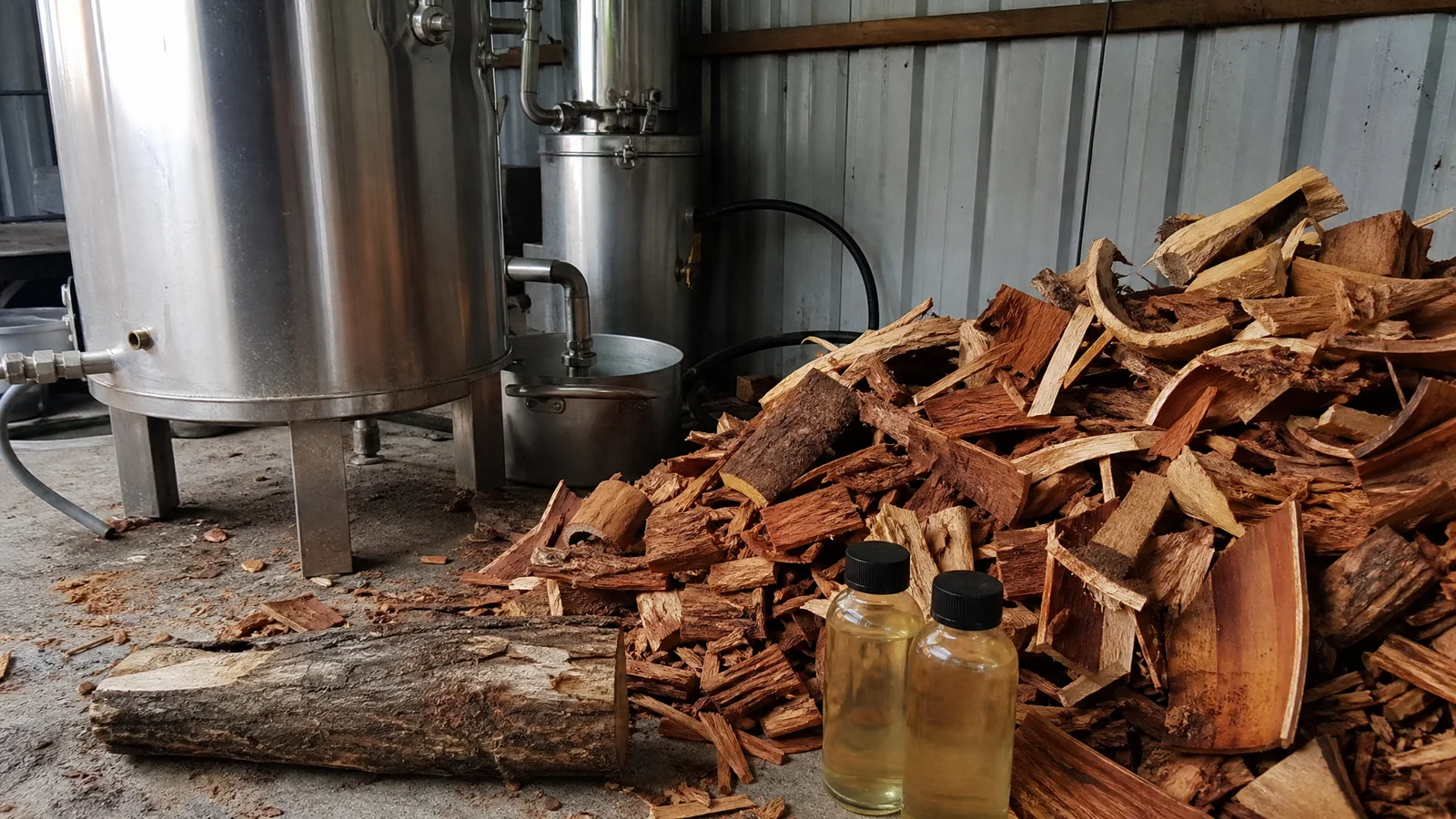
Picture warm steam carrying the scent of wood out of a pot. That is, in short, how cedarwood oil is made. Steam passes through milled wood, picks up the aromatic compounds, cools back into liquid, and the oil floats away from the water. Simple to describe, but the details are why one cedarwood bottle can smell so different from another.
Cedarwood Essential Oil
Our own Cedarwood Essential Oil, in sizes from 0.5 oz to bulk.
From $9.99
Shop Now →A look at the process
Few producers describe their process in detail, but one regulatory file does. A European Food Safety Authority panel reviewed an oil from the wood of Juniperus deppeana, which the file lists as cedarwood Texas oil, and the applicant described the steps: the wood is milled, the volatile constituents are extracted by steam distillation, condensed, and "separated from the water by decantation." The finished oil is a pale yellow, clear, mobile liquid. The applicant's specification used cis-thujopsene as the marker compound, measured by gas chromatography, with a refractive index range of 1.500 to 1.510 (Safety and efficacy of a feed additive consisting of an essential oil obtained from the wood of Juniperus deppeana Steud. (cedarwood Texas oil) for use in all animal species (FEFANA asbl)). One oil from one applicant is not the whole industry, but it is a real, documented example.
Our four oils are all listed on our product pages as steam-distilled from the wood of their species.
Picture the still
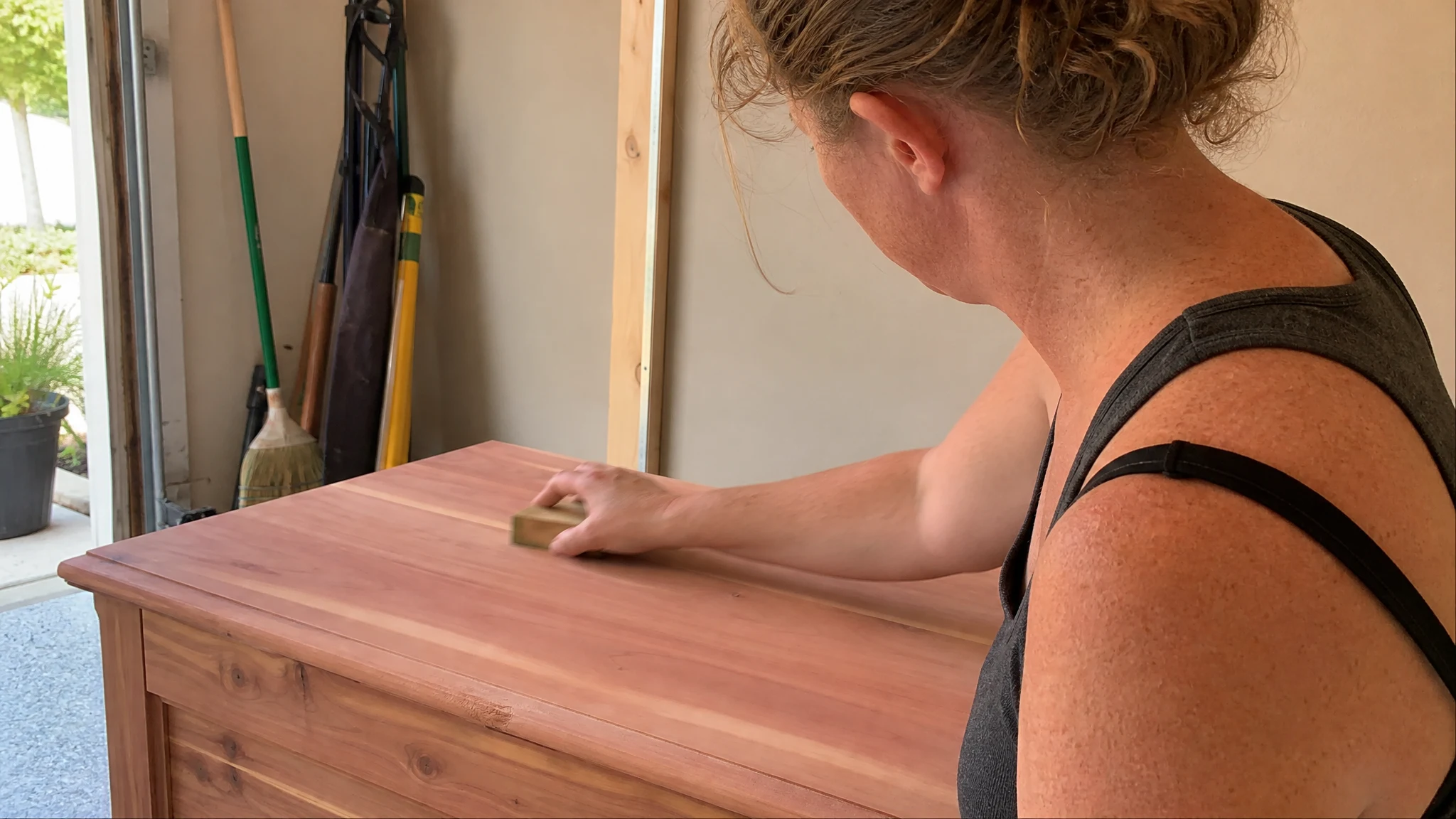
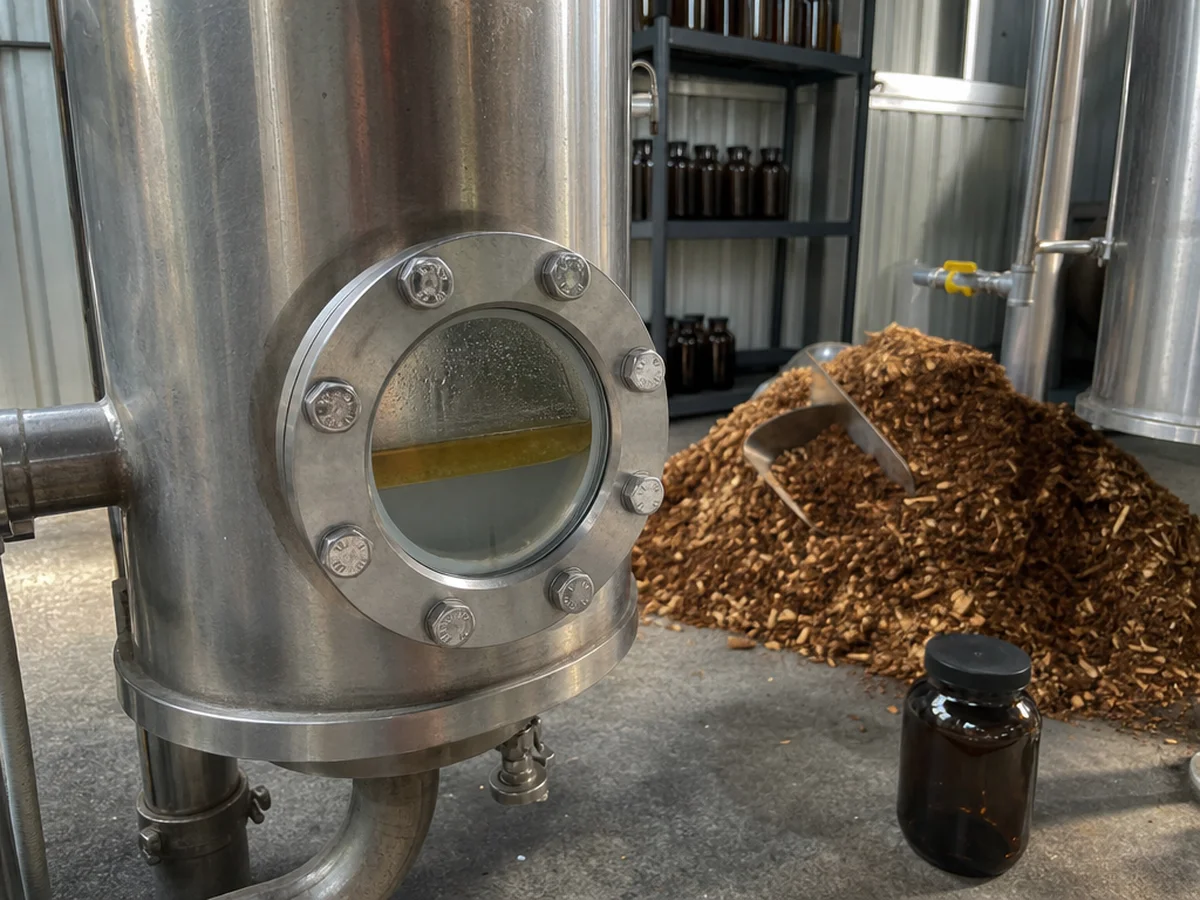
It helps to imagine the scene. Wood chips or shavings sit in a vessel while steam moves through them, and the steam leaves carrying the smell of the wood. It cools in a coil and drips into a collecting vessel as a mix of water and a thin layer of oil. Anyone who has stood near a cedar mill or cut a cedar plank will know the scent that comes off the wood. In the still, that scent is gathered drop by drop, which is why a small bottle represents so much wood.
Why run time and technique matter
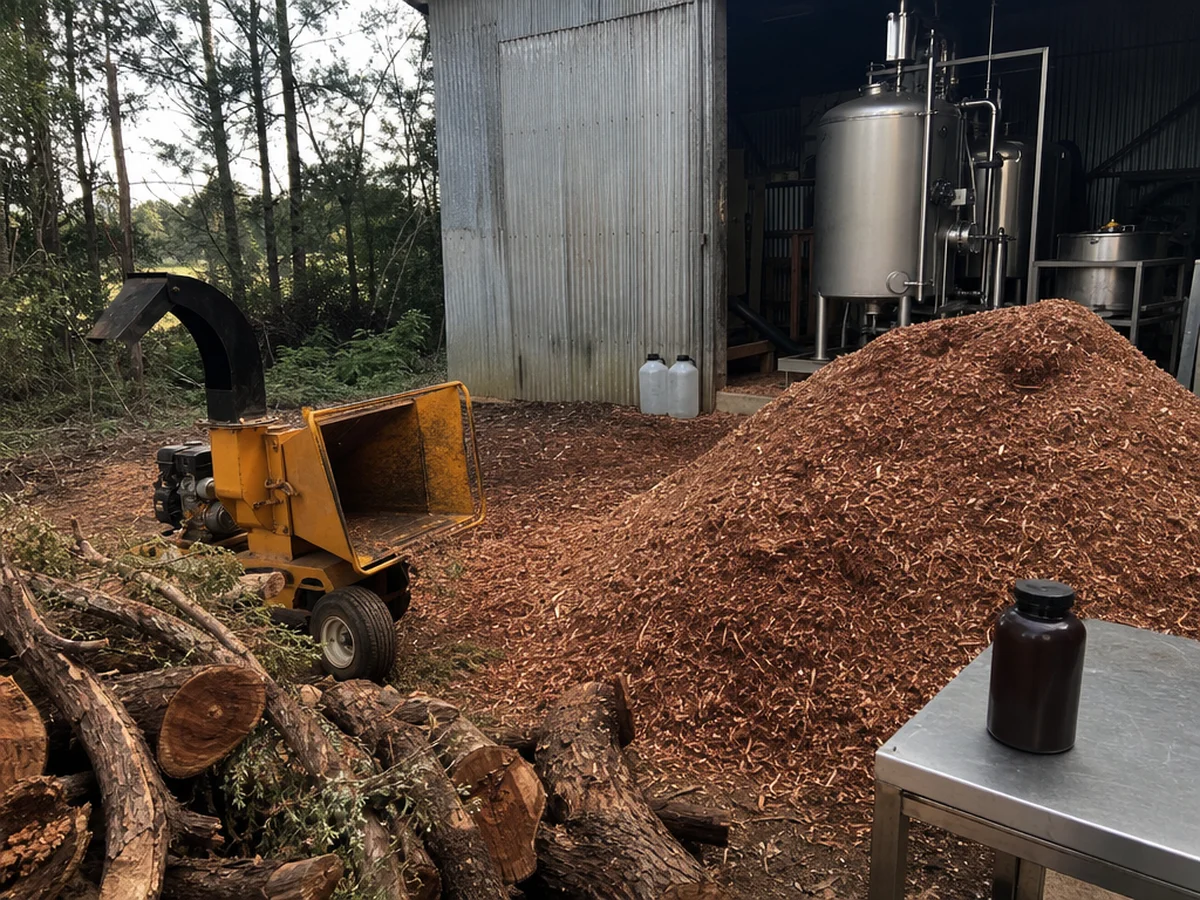
A 2026 review of essential oil extraction describes steam distillation as passing steam through plant material so it carries volatile compounds away. It lists extraction time, steam flow, particle size, moisture and packing density as factors that shape which compounds come over, and notes that prolonged hot steam may alter heat-sensitive constituents (Essential Oil Quality in Medicinal and Aromatic Plants: Linking Plant Biosynthesis, Matrix Selection and Extraction Strategy). Its examples come from other plants, not cedar. The takeaway is a good rule of thumb: two distillers working the same wood can produce slightly different oils.
Four trees, four distillates
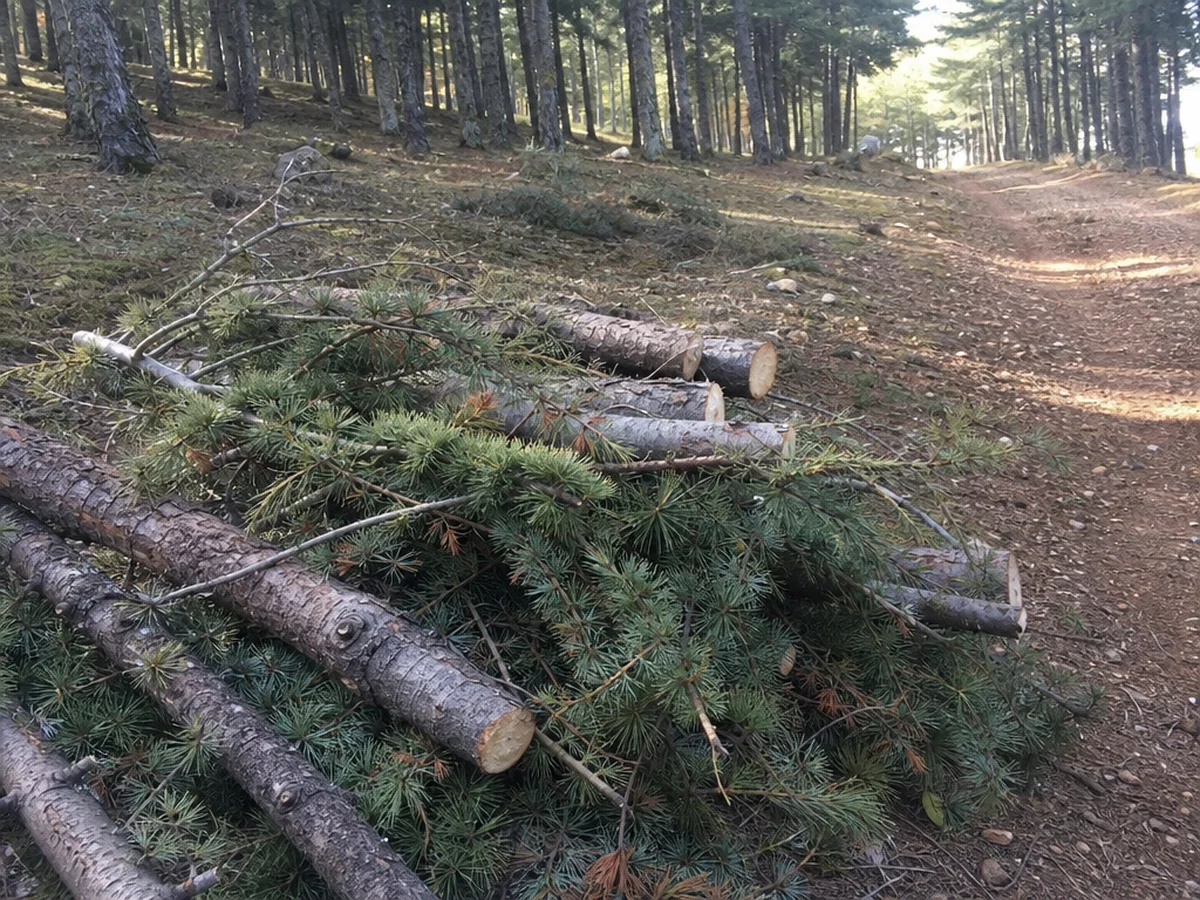
What goes into the still matters at least as much. A 2026 survey describes cedarwood oils as typically steam-distilled from the wood of Juniperus, Cupressus or Cedrus species (Cedarwood Oils: The Wood Essential Oil Compositions from Trees Known as "Cedar"). "Cedarwood oil" is therefore a family, not a single material. We sell two true cedars, Atlas (Cedrus atlantica) and Himalayan (Cedrus deodara), and two junipers, Virginian (Juniperus virginiana) and Texas. The cedars are built mostly on himachalenes and atlantones, the junipers on cedrenes, thujopsene and cedrol, which is a big part of why a Virginian smells like pencil shavings while an Atlas is warmer and balsamic. Our family guide compares them side by side.
The same survey makes a useful point about identity. It reports that Atlas and Himalayan oils can be told apart in the lab: Himalayan oils usually carry at least 20% atlantones, where Atlas oils carry very little, and Atlas oils typically exceed 40% beta-himachalene while Himalayan oils generally stay under it. That is a general finding about oils on the market and says nothing about any one seller. It shows why the species and the analysis matter, and why we name the Latin species on every product page.
What our paperwork covers
The Certificate of Analysis we publish is for one batch of our Atlas oil. It lists the extraction method as steam distilled, a relative density at 20 degrees C of 0.934 (printed standard 0.925 to 0.945), a refractive index at 20 degrees C of 1.513 (printed standard 1.509 to 1.517) and a best-by date of 07/12/2028. Both measured values sit within their printed standards. Density and refractive index describe the liquid as a whole, and species and constituent profiles come from gas chromatography. If you need that, or want species confirmation or origin for a particular lot, ask us in writing through the contact page before ordering and get the answer in writing. Standards also belong to their species: the juniper oil's range in the EFSA file and our Atlas range are different yardsticks and should not be compared across species.
For trial amounts before a big order, our bulk page is where sample requests start. If you want to dig into a GC-MS report, our GC-MS article shows how to read one, and our sustainability article looks at the trees themselves.
What this means when you open a bottle
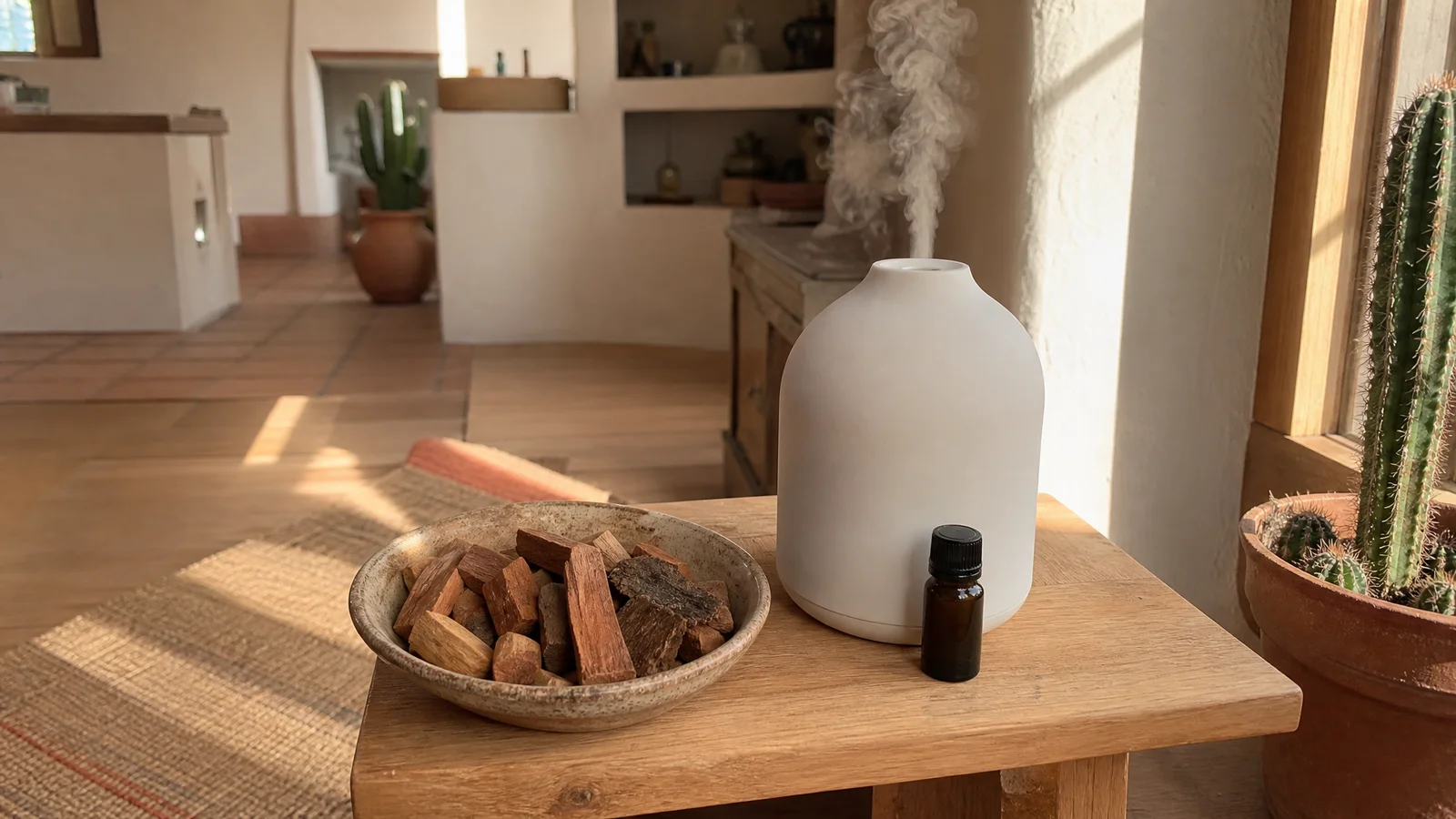
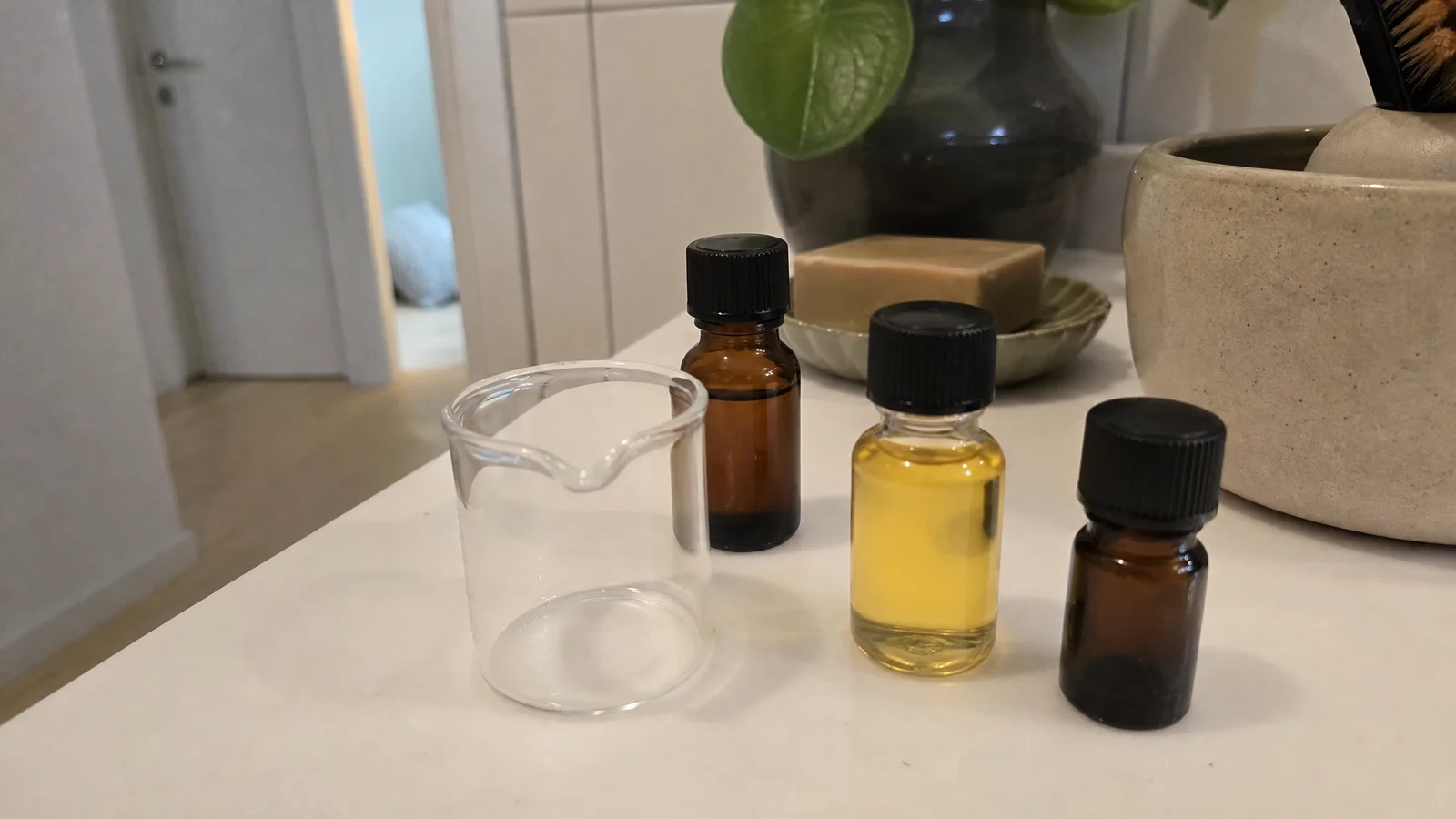
Knowing the process gives you something to look for. Check the label for the species name and look at the colour of the oil, which for the juniper example above is described as pale yellow. Then smell it from the bottle neck, and from a paper strip a few minutes later. A good cedarwood oil should smell like wood, dry or sweet or resinous depending on the tree, and not like a perfume or a cleaning product. If something smells off to you, set it aside and ask the seller about it.
Questions worth asking any seller
Which species, by Latin name, for this exact product? Which part of the tree? Is there a GC-MS report for this lot, and which laboratory ran it? Does the marker compound match the species? Those are fair to ask of us as well, and we are glad to hear them.
Behind every bottle is wood, steam and a handful of choices, and a little knowledge makes the scent more interesting.
Cedarwood Essential Oil
Cedarwood Essential Oil from our own shop, in sizes from 0.5 oz to bulk.
From $9.99
Shop Now →Sources & Further Reading
- Safety and efficacy of a feed additive consisting of an essential oil obtained from the wood of Juniperus deppeana Steud. (cedarwood Texas oil) for use in all animal species (FEFANA asbl) (EFSA, EFSA J, 2024)
- Essential Oil Quality in Medicinal and Aromatic Plants: Linking Plant Biosynthesis, Matrix Selection and Extraction Strategy (Youchret-Zallez et al., Plants, 2026)
- Cedarwood Oils: The Wood Essential Oil Compositions from Trees Known as "Cedar" (Setzer and Satyal, Plants, 2026)