Does Cedarwood Oil Stain? Getting It Out of Fabric
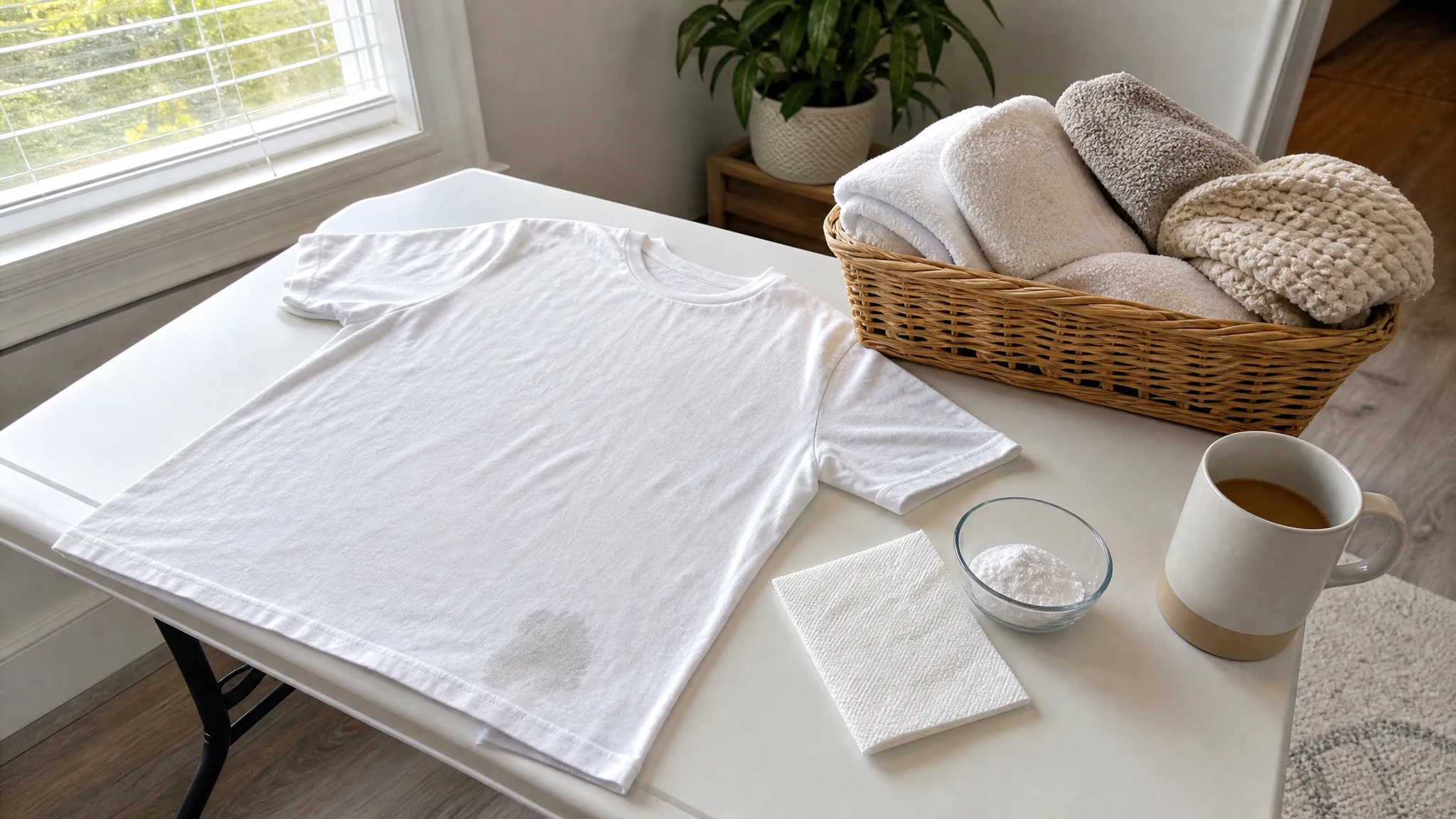
Yes, cedarwood oil can leave a mark. It is an oil, so a drop on a cotton tee or a sofa cushion spreads into a dark, slightly translucent patch that does not dry out the way water does. The good news is that oil on fabric is one of the most familiar laundry problems there is, and the answer is the same one that works on salad dressing and bike chain grease: catch it early, lift it, and keep it away from heat.
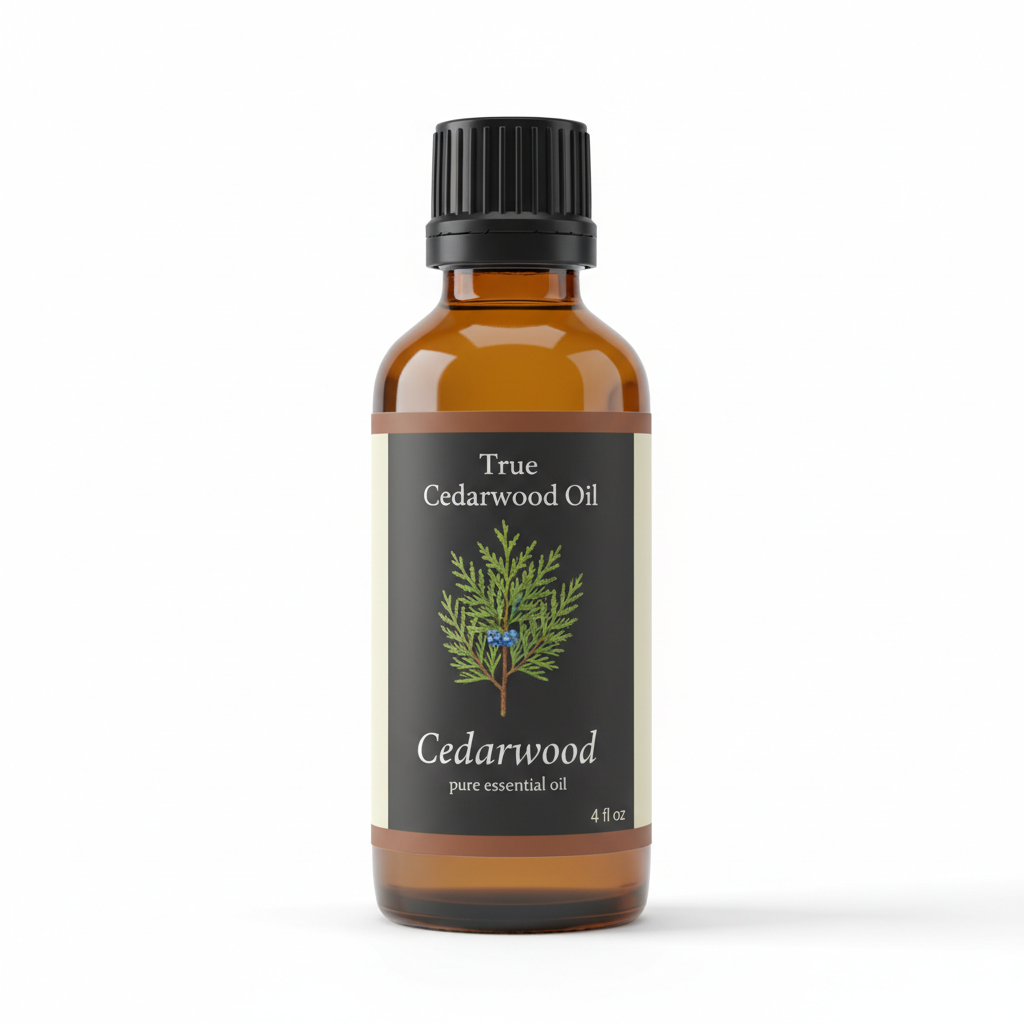
Cedarwood Essential Oil
Our own Cedarwood Essential Oil, in sizes from 0.5 oz to bulk.
From $9.99
Shop Now →What kind of stain is it?
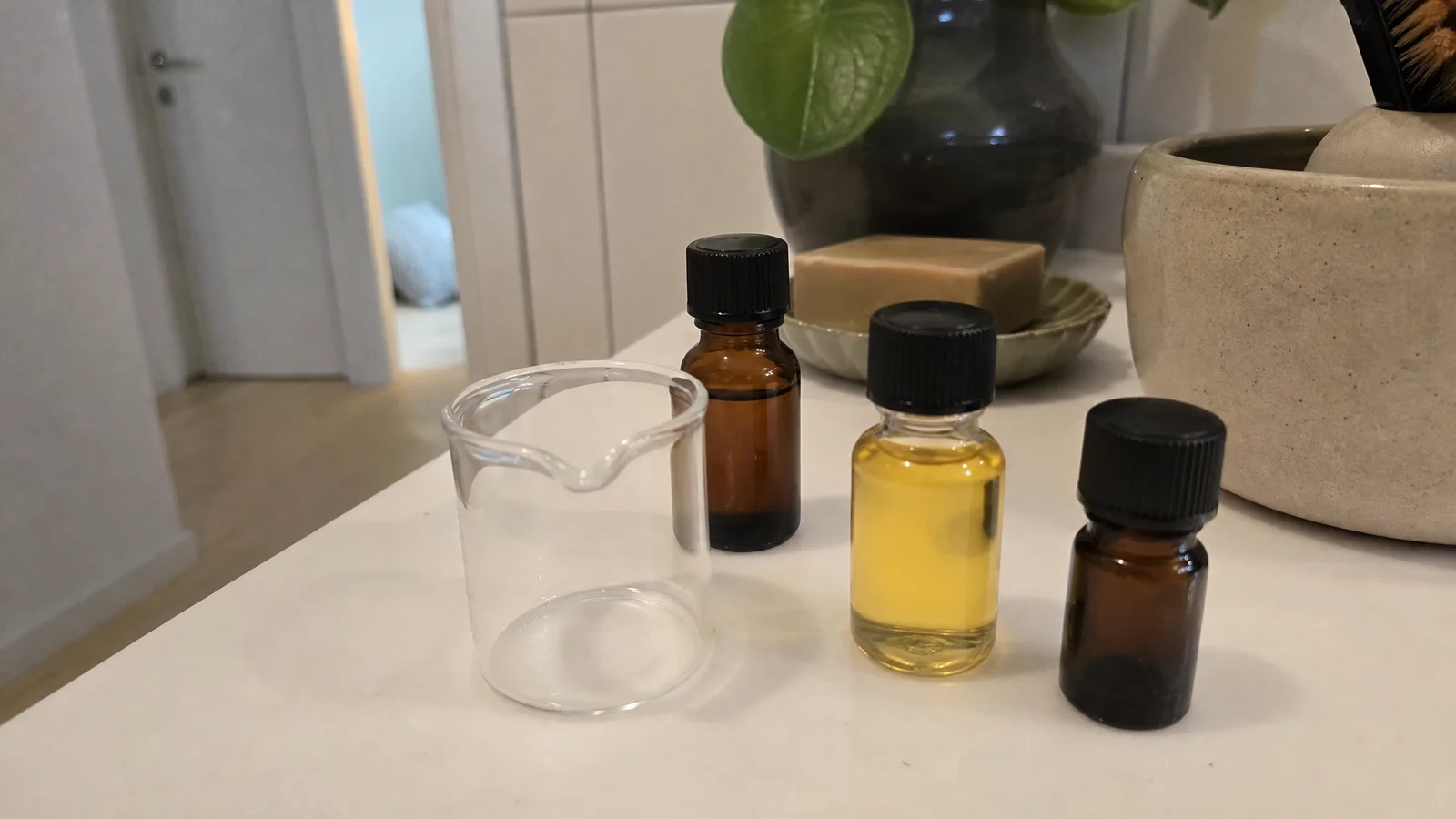
Stain guides sort marks by what dissolves them. A Texas A&M AgriLife Extension guide to washable fabrics puts oil, butter and wax in the "dry type" group: stains that do not dissolve in water, so water alone will not shift them. That is the useful way to think about a spilled drop of cedarwood oil. The scent is a separate matter from the mark, and the mark behaves like any other grease. We sell our four cedarwood oils neat, so a spill from a bottle is oil at full strength. A diluted body or massage oil is mostly carrier oil: at 1 percent, a 1 oz (29.57 ml) bottle holds only about 0.3 ml of cedarwood, and the other 29 ml is the carrier. A stain from that bottle is largely a carrier-oil stain and gets the same treatment.
The first two minutes
- Blot, do not rub. Rubbing pushes the oil deeper into the weave. Scrape off any thick pool with the edge of a spoon first.
- Cover the patch with an absorbent powder. The AgriLife guide names talc or cornstarch for this job. Leave it for a while, then brush it off before you go on.
- Do nothing hot yet. The same guide is blunt that heat sets stains, so no dryer and no iron until you are sure the mark is gone.
Washable fabrics
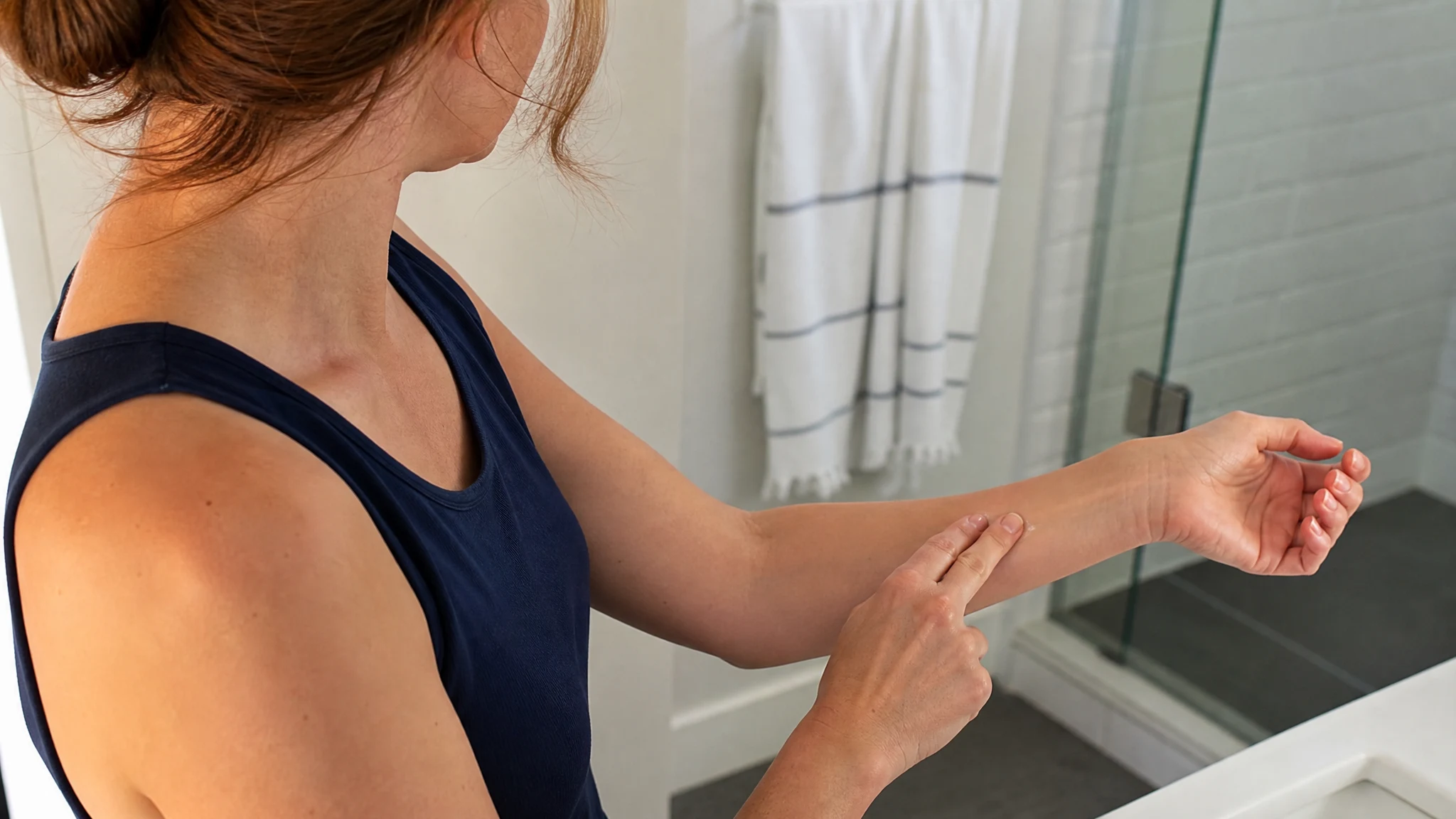
For oil-based stains the AgriLife guide works full-strength heavy-duty liquid detergent (or a prewash spray) into the spot, then washes in the hottest water the fabric allows, and says to inspect before drying and repeat if any trace remains. Skipping the inspection is how a faint ghost becomes a permanent one in the dryer. The same guide also warns that cold water on oily soil can lead to yellowing, which is a good reason not to default to a cold cycle for these. Always test any remover on a hidden spot first, such as a seam allowance, and leave it two to five minutes before you rinse to see whether colour or texture changes.
A small caveat on colour: essential oils differ, and some carry a tint. The batch on the Certificate of Analysis for our Atlas oil lists its appearance standard as a yellow liquid, so on pale fabric treat even a fresh, faint mark as real and wash it promptly rather than waiting to see whether it fades.
Upholstery, cushions and rugs
You cannot toss a sofa into the washing machine. University of Georgia Extension gives a gentle sequence for upholstery: blot (do not rub) to remove as much as you can, then press a clean white cloth dampened with a commercial dry-cleaning solvent onto the spot, rotating the cloth to a clean area as the stain transfers, then blot and dry. The page also says to avoid overwetting, because liquid can damage backing and foam padding, to ventilate well and to keep flames and sparks away from flammable solvents. If the cover's care label says dry clean only, the better move is a call to a professional upholstery cleaner.
When to hand it to a professional
Silk, wool, leather, suede and anything labelled dry clean should go to a professional cleaner as soon as possible. The AgriLife guide says the same: tell the cleaner the fibre and the type of stain, and understand that not every stain can be removed even by a cleaner. Finished wood, stone and painted surfaces are a similar story. Wipe up the oil straight away with a paper towel, then follow the furniture or flooring maker's care guidance rather than ours, and test in an out-of-sight spot. Some oils can dull certain finishes or soften some plastics, so quick wiping is the best habit.
Keeping it from happening
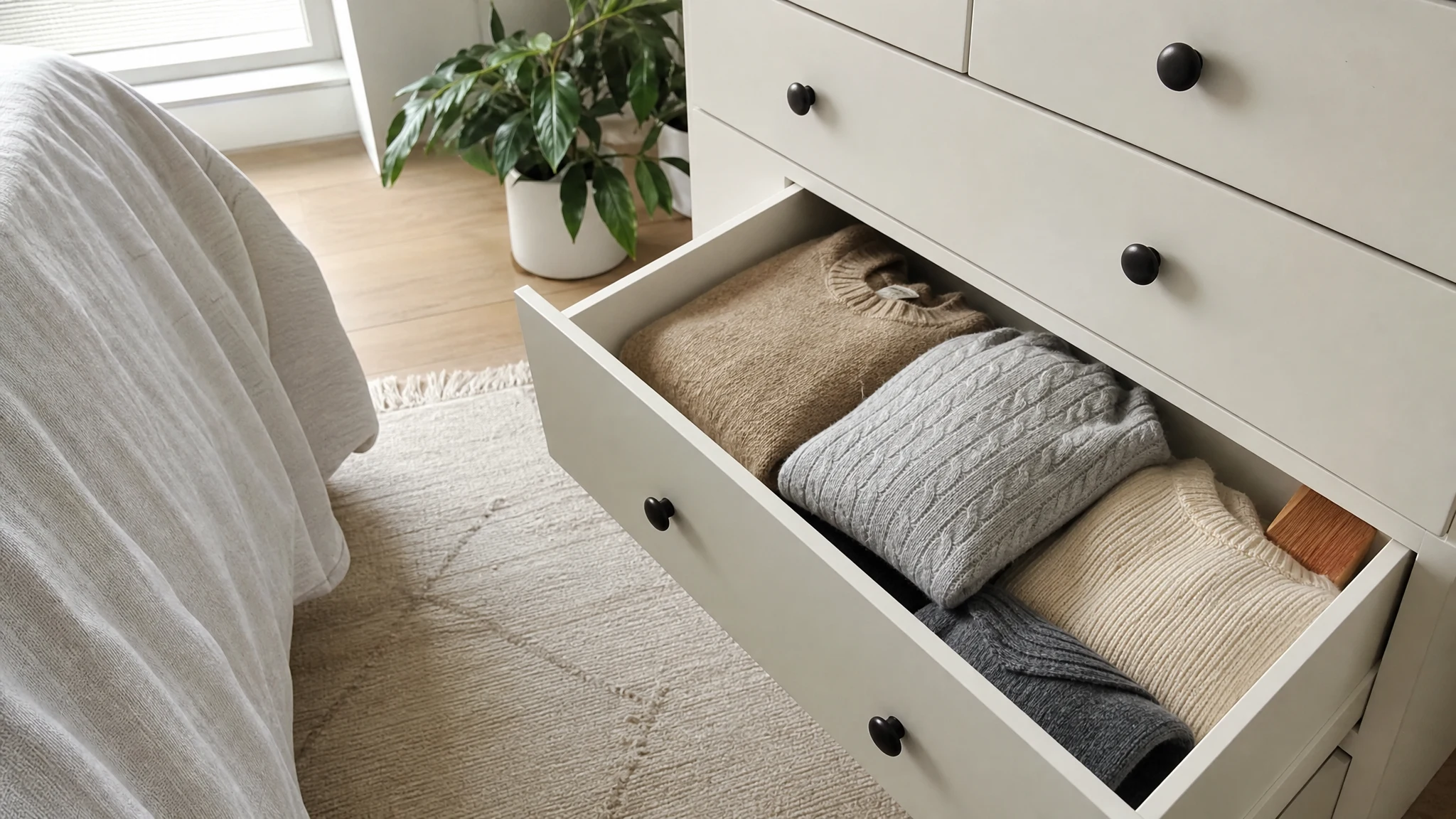
Most stains come from the moment between bottle and blend. Set a folded towel or an old tray under where you decant, keep the cap on until you need it, and do not leave open bottles on a shelf above fabric. We recommend keeping the oil away from children and pets, so a high shelf away from the laundry basket does both jobs. If you are making a linen mist or freshening a cedar chest, add the oil to the blend, not to the cloth, and test on an old piece first. The same goes for the sachets and drawers in our closet refresh guide. For skin products, a light hand with a massage oil is also kinder to pillowcases. If a spill reaches a pet's bedding, our note on spills and storage around dogs covers spills and storage around dogs, and a veterinarian is the right call if an animal has been exposed.
A drop on a shirt is annoying, not a disaster. Blot it, powder it, wash it warm, and check it in daylight before it goes near the dryer.
Cedarwood Essential Oil
Cedarwood Essential Oil from our own shop, in sizes from 0.5 oz to bulk.
From $9.99
Shop Now →Sources & Further Reading
- Removing Stains from Washable Fabrics, Texas A&M AgriLife Extension.
- Remove Stains From Oil, University of Georgia Extension, Textiles.