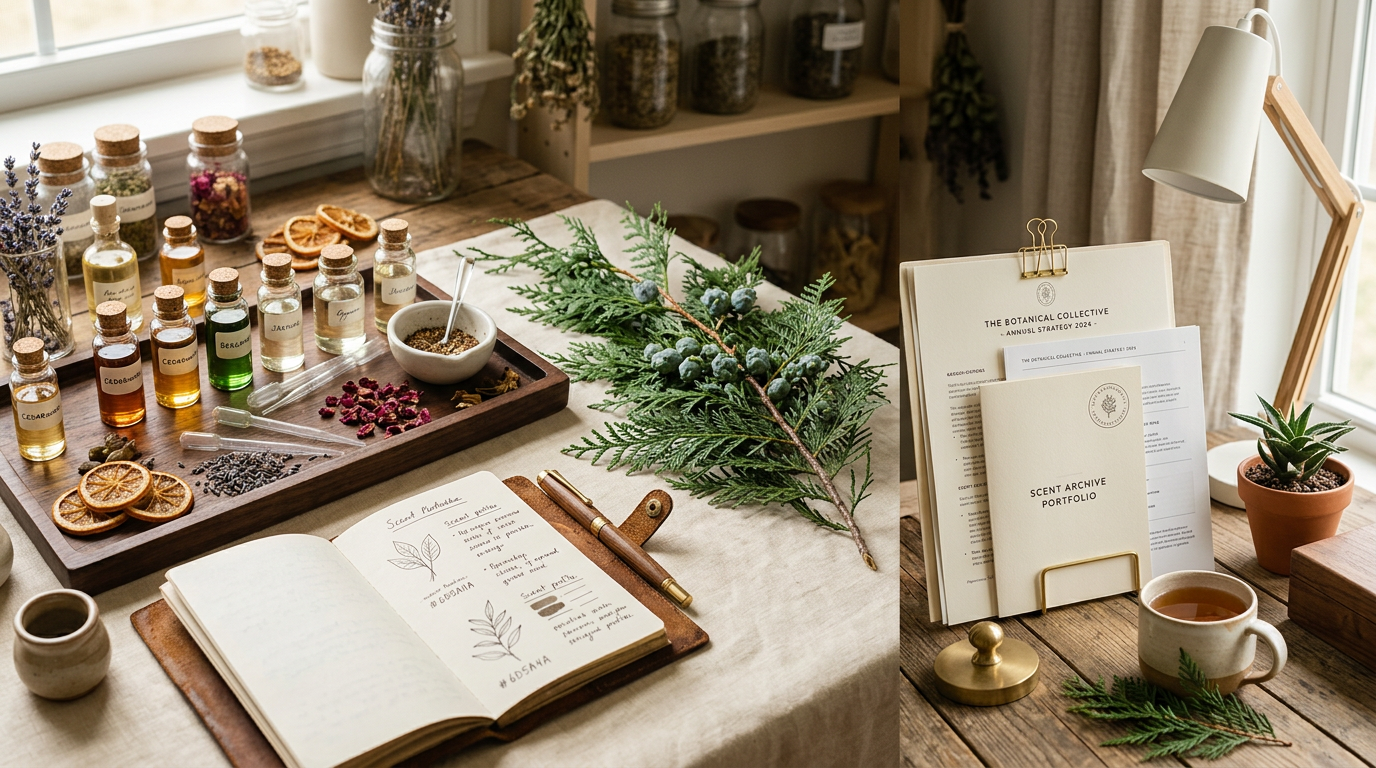
The Mountain Cabin Blend: Our Signature Cedar, Fir, and Citrus Mix
Some scents stop you mid-step. This is one of them. The Mountain Cabin blend layers the deep, dry warmth of cedarwood against the crisp green breath of fir needle and the bright lift of citrus, then anchors everything with just a whisper of frankincense carterii. The result is a cabin scent blend that feels genuinely lived-in rather than manufactured: wood smoke without the smoke, forest without the damp.
This guide walks through every detail of making this signature woody blend at home, from why we chose these specific ingredients to the exact drop counts, safe dilution ratios, and a few variations worth exploring once you have the base down.
Why Frankincense Carterii Belongs in This Blend
Carterii is the variety of frankincense most people picture when they close their eyes and try to remember that scent. It comes primarily from Somalia and the Horn of Africa, where Boswellia carterii trees are tapped for their aromatic resin in a centuries-old tradition. The oil is steam-distilled from that resin, and the aroma it produces is warm, softly balsamic, and faintly citrus-edged at the top notes.
That last quality is precisely why carterii earns its place here rather than another frankincense variety. Frankincense carterii carries a natural brightness that bridges the woody base notes and the citrus top notes without competing with either. Serrata, by contrast, tends toward a more herbal, almost pencil-shaving quality that can crowd cedarwood rather than complement it. Sacra is richer and more resinous, which can tip a cabin blend toward church rather than countryside. Carterii sits right in the middle: grounding without heaviness, aromatic without sharpness.
In practical terms, it acts as a fixative in this blend, softening the volatile citrus and helping the overall scent last longer on the nose in a diffuser or on the skin as a diluted oil.
The Full Ingredients List
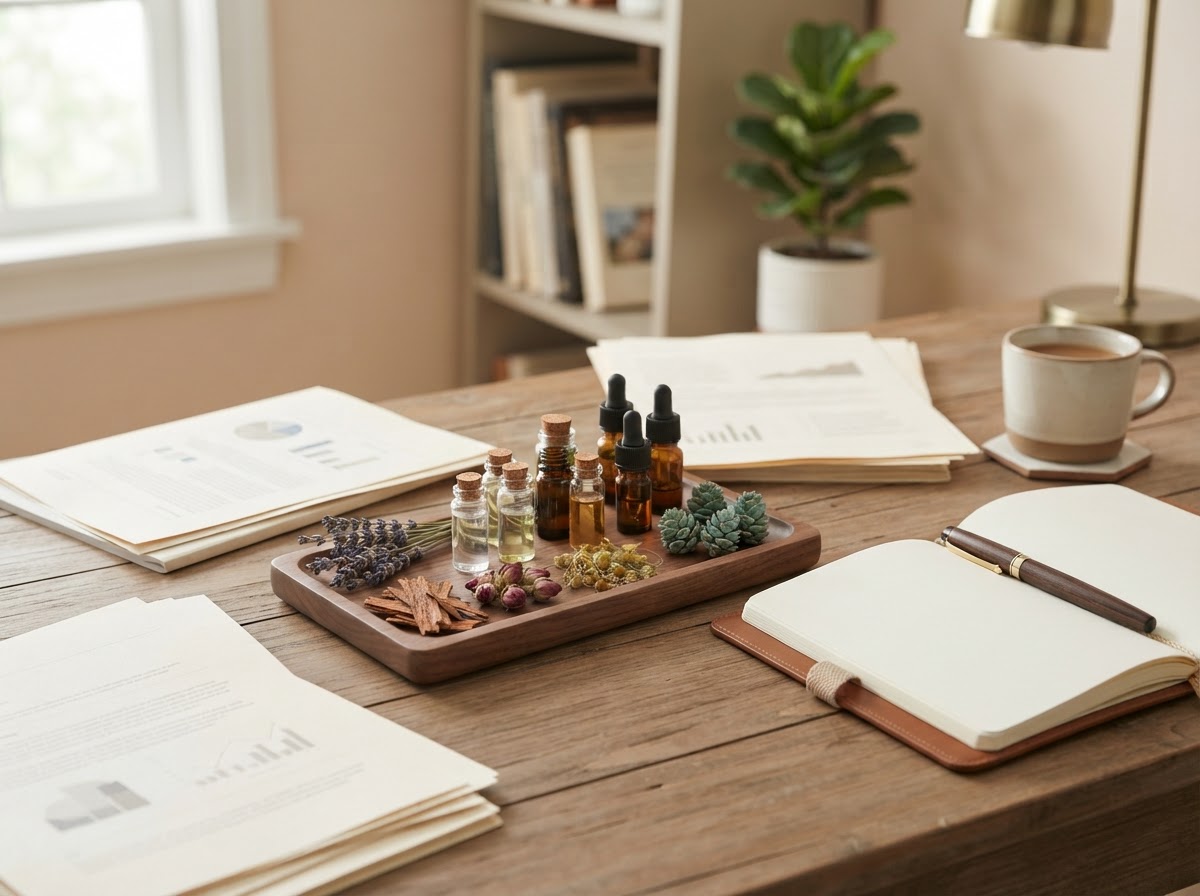
This recipe produces a 10 ml concentrate. All measurements are given in drops and milliliters. Note that one milliliter is approximately 20 drops, though this varies slightly by dropper diameter and oil viscosity.
| Ingredient | Drops | Milliliters (approx.) | Role in the Blend |
|---|---|---|---|
| Cedarwood (Atlas or Virginia) | 40 | 2.0 ml | Woody base, dry sweetness |
| Fir Needle (Abies sibirica or balsamea) | 30 | 1.5 ml | Fresh green top note, forest lift |
| Frankincense Carterii | 20 | 1.0 ml | Balsamic bridge, fixative |
| Sweet Orange (Citrus sinensis) | 20 | 1.0 ml | Bright citrus lift, warmth |
| Black Spruce (Picea mariana) | 10 | 0.5 ml | Depth, resinous texture |
| Vetiver (optional accent) | 4 | 0.2 ml | Earthy anchor, longevity on skin |
Total concentrate: approximately 10 ml (124 drops, or 6.2 ml of essential oil with remaining space in bottle).
If you omit vetiver, the blend reads crisper and more overtly piney. If you include it, the dry-down on skin is noticeably richer and longer-lasting.
Step-by-Step Blending Instructions

- Gather your equipment. You will need a 10 ml amber or cobalt glass bottle with an orifice reducer and cap, a glass dropper or pipette for each oil, a small funnel (optional but helpful), and clean paper towels or a scent strip for testing along the way.
- Work from heaviest to lightest. Add the vetiver first if using, then the frankincense carterii, then cedarwood, then black spruce, then fir needle, and finally sweet orange. Adding base notes first gives you better control and reduces the risk of the volatile top notes evaporating before the bottle is sealed.
- Count carefully. Drop counts matter more than people expect. Being five drops over on fir needle will shift the whole character of the blend toward a cleaning-product freshness rather than forest depth. Count aloud or use a tally on paper.
- Seal and roll. Cap the bottle firmly and roll it between your palms for about 30 seconds. Do not shake vigorously. Rolling encourages even blending without introducing air bubbles that can degrade the oils faster.
- Rest before evaluating. Set the sealed bottle aside for at least 24 hours, preferably 48. The individual aromatic compounds need time to meld. A freshly mixed blend often smells sharp and disjointed. After resting, the fir and orange soften, the cedarwood comes forward, and the frankincense does its bridging work properly.
- Evaluate on a scent strip. Place one drop on a strip and let it air for two minutes before smelling. This approximates what the blend will smell like at a slight distance, which is closer to real-world use than smelling directly from the bottle.
- Adjust if needed. If the citrus feels too sharp, add two more drops of cedarwood and re-roll. If the blend feels too heavy or resinous, add two to three more drops of fir needle. Keep notes so you can replicate any adjustments.
Dilution Ratios and Safety Notes
This concentrate is not ready to apply directly to skin. Essential oils require dilution in a carrier before topical use.
- For a body oil or skin application: Use a 2% dilution. That is approximately 12 drops of concentrate per 30 ml (1 fl oz) of carrier oil. Jojoba, fractionated coconut, or sweet almond work well here.
- For a room spray: Add 20 to 30 drops of concentrate to 100 ml of distilled water plus 5 ml of high-proof alcohol (such as Everclear or perfumer's alcohol) to help disperse the oils. Shake before each use.
- For a diffuser: Use 4 to 6 drops of concentrate per standard 100 ml water-well diffuser. Run for 30 to 60 minutes at a time with ventilation breaks.
Patch Testing
Before applying any diluted blend to a larger area of skin, always do a patch test. Apply a small amount of the diluted oil to the inner forearm, cover loosely, and wait 24 hours. If you notice any redness, itching, or discomfort, rinse the area with mild soap and water and discontinue use. Consult a qualified healthcare provider if irritation persists.
Additional Safety Considerations
- Sweet orange and other citrus oils may increase photosensitivity. Avoid applying citrus-containing dilutions to skin that will be exposed to direct sunlight or UV sources within 12 to 18 hours.
- Fir needle oil can be a sensitizer for some individuals. Keep dilutions at or below 2% for regular use.
- Keep all essential oils and concentrates away from children and pets. Store out of reach.
- Pregnant or nursing individuals should consult a qualified healthcare provider before using any essential oil blend.
- This blend is for aromatic and cosmetic use only.
Storage and Shelf Life
Store your concentrate in a tightly sealed amber or cobalt glass bottle, away from direct light, heat, and humidity. A cool, dark drawer or cabinet works well. Avoid bathroom storage due to temperature and moisture fluctuations.
The limiting factor in this blend is the sweet orange oil. Citrus oils oxidize faster than most, typically within 6 to 12 months of opening. The cedarwood and frankincense components will outlast the orange considerably, sometimes by several years. As a practical rule, plan to use or refresh this blend within 12 months of making it. If the orange note has gone flat or the blend smells dusty rather than bright, it is time to mix a new batch.
Label your bottle with the date of blending. It takes about five seconds and saves real confusion later.
Two Variations Worth Trying
Variation 1: Deep Winter Cabin
For a denser, more resinous version suited to cold-weather evenings, reduce the sweet orange to 10 drops and increase the frankincense carterii to 30 drops. Add 6 drops of clove bud oil. The result shifts from crisp mountain morning toward a darker, more enveloping character: less altitude, more fireside. This version works particularly well as a room spray for a bedroom wind-down ritual.
Variation 2: High Alpine
For something lighter and more overtly green, drop the vetiver entirely and replace it with 8 drops of juniper berry. Increase fir needle to 40 drops and reduce cedarwood to 30. The blend moves upward in register, brighter and more atmospheric. It layers beautifully in a diffuser during the day when you want a sense of open air rather than enclosed warmth. Pair this version with the ideas in our cedarwood and grounding practice guide for a daytime focus ritual built around scent.
Variation 3: Cabin After Rain
Add 8 drops of blue cypress or 6 drops of Atlas cedarwood (if your base is Virginia) and swap the sweet orange for bergamot FCF (furanocoumarin-free, which removes photosensitivity concerns). The bergamot reads as citrus but softer, almost floral at the edges, and the extra cedarwood deepens the wood quality without adding sweetness. This version works well as a diluted body oil because the FCF bergamot is safe for daytime skin use.
How This Blend Fits Into a Broader Cedarwood Practice
Cedarwood is one of the most versatile oils in an aromatics collection, and this blend is a good starting point for exploring what it can do. If you want to go deeper into using cedarwood across different contexts, our complete guide to cedarwood oil uses covers home, hair care, and atmospheric applications in detail.
For those interested in building out a wider collection of woody pairings beyond this signature blend, the 12 woody pairings guide covers combinations that work across different moods and seasons. The Mountain Cabin blend sits comfortably within that broader palette, but knowing the other pairings helps you understand why these specific notes were chosen and what you could swap without losing the essential character.
The cedarwood blend recipe above was designed to be approachable the first time and adjustable after that. Mix one batch. Sit with it for a few days. Then decide what to change. That iterative process is where the real satisfaction of making a signature woody blend comes from: not the first pour, but the fourth, when the ratios finally feel entirely your own.